
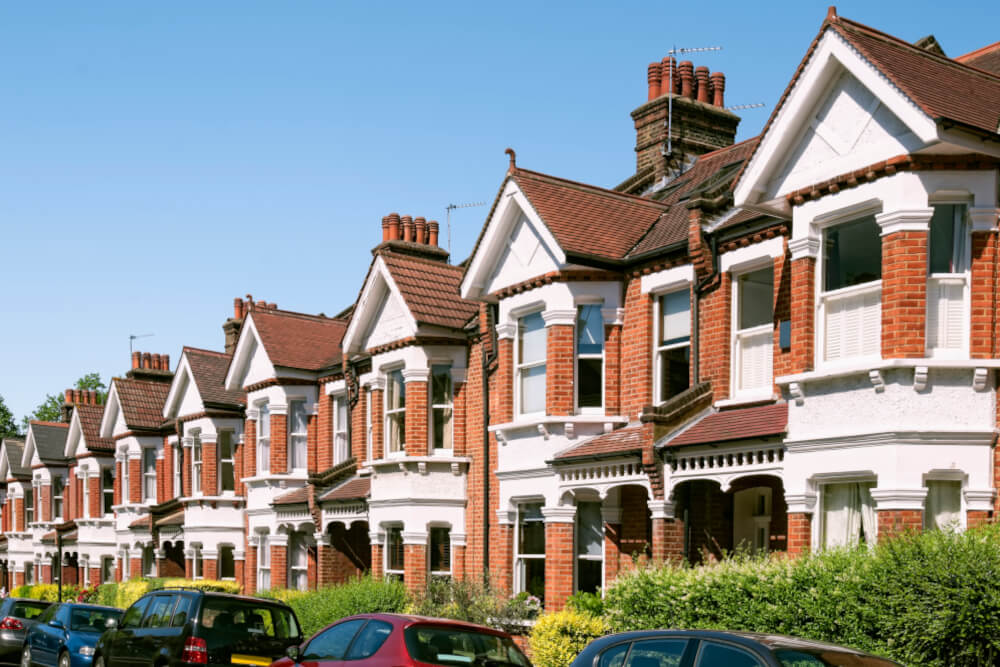
June marks the traditional peak of the property market across Essex and London. Gardens are in full bloom, school-run logistics feel less daunting, and the longer daylight hours make viewings far more appealing. For buyers pursuing older, larger, or more complex properties, the summer surge also brings a compelling, often overlooked advantage: it is arguably the very best time of year to commission a Level 3 Building Survey.
Here, we explore why summer conditions genuinely enhance the quality and depth of a building survey — and why skipping or downgrading this inspection in the heat of a competitive market could prove to be a costly mistake.
What Is a Level 3 Building Survey?
A Level 3 Building Survey (formerly known as a Full Structural Survey) is the most comprehensive residential survey available. Commissioned from a RICS Chartered Surveyor, it provides a thorough assessment of a property’s condition, construction, and any defects — from the roof structure down to the subfloor. Unlike a Level 2 Homebuyer Report, it does not follow a tick-box format. Instead, it delivers a detailed, narrative report tailored specifically to the property in question.
A Level 3 survey is strongly recommended for:
- Properties built before 1930, or those with non-standard construction
- Large detached or semi-detached homes with complex roof structures
- Properties that have been significantly extended or altered
- Any home that appears to have been poorly maintained or is being sold in need of renovation
- Listed buildings or those within conservation areas
Why Summer Conditions Give Surveyors a Significant Advantage
Surveying is not simply about what you can measure — it is also about what you can see. The conditions under which a survey is carried out have a genuine bearing on the volume and accuracy of findings. Summer, perhaps counterintuitively, reveals a great deal about a property’s vulnerabilities.
Dry Ground Exposes Drainage and Subsidence Clues
Extended dry spells in summer cause the ground to contract, particularly in clay-heavy areas of Essex and East London. This movement can open up hairline cracks in external render, brickwork, and internal plasterwork that would otherwise remain hidden beneath damp, swollen materials in wetter months. A Chartered Surveyor inspecting in June can identify the pattern, location, and likely cause of such cracking with much greater clarity — distinguishing between benign thermal movement and more serious differential settlement or subsidence activity.
Similarly, the absence of standing water around foundations during dry weather can help isolate whether any damp patches observed internally are the result of persistent structural ingress rather than seasonal surface flooding.
Roof and External Structures Are Fully Accessible
Longer days mean more usable daylight for the surveyor. A Level 3 Building Survey involves close inspection of all accessible roof slopes, chimney stacks, guttering, fascias, and external joinery. In summer, moss and vegetation growth on roofing materials is at its most visible, pointing to areas where moisture retention may be accelerating tile or slate deterioration. Flat roof surfaces can also be examined for blistering or cracking that winter frost and pooled water can temporarily obscure.
Good natural light also assists greatly in the loft space, where a surveyor is checking rafters, purlins, and any signs of previous water ingress staining — evidence that a leaking roof has been patched rather than properly remedied.
The Summer Market: Speed, Competition, and the Risk of Cutting Corners
The summer property market in Essex and London moves quickly. Desirable homes in towns such as Chelmsford, Brentwood, Epping, and across the inner London boroughs can attract multiple offers within days of listing. This pace creates real pressure on buyers to proceed rapidly — and some are tempted to forgo a full building survey in favour of a lighter-touch report, or to skip independent inspection altogether.
This is a risk that experienced Chartered Surveyors see play out in difficult consequences. Older properties in particular rarely reveal their full story at a viewing. Behind freshly decorated walls and newly laid flooring, there can be damp penetration, inadequate insulation, outdated wiring, or structural movement that only a thorough Level 3 inspection will uncover. The cost of remediating undisclosed defects after completion frequently exceeds the cost of the survey many times over.
It is also worth noting that a detailed survey report gives buyers real negotiating power. Where significant defects are identified, the findings provide a factual basis for renegotiating the purchase price — a conversation that is far easier to have before exchange of contracts than after.
Choosing the Right Surveyor for Your Property
Not all survey providers are equal. For a Level 3 Building Survey, you should always instruct a RICS-regulated surveyor — someone with demonstrable competence in residential surveying and direct experience of the property types and construction methods common to your area. Local knowledge matters enormously, whether that means understanding the prevalence of London stock brick construction or the clay subsoil conditions that affect so much of Essex.
At Gibsons Surveyors, our Level 3 Building Surveys are carried out by Andrew Gibson BSc (Hons) MRICS, a RICS Registered Valuer with extensive experience across Essex, London, and the Home Counties. Every report is bespoke, written in plain English, and structured to give you a clear, actionable understanding of the property you are purchasing. You can also find out more about our full range of residential services on our Residential Survey Services page.
Book Your Level 3 Building Survey This Summer
If you are in the process of purchasing an older, larger, or extended property in Essex or London this summer, do not leave one of the most important financial decisions of your life to chance. Contact Gibsons Surveyors today to discuss your property and arrange your Level 3 Building Survey. Our team is here to give you the confidence and clarity you need to proceed — or to renegotiate — with complete peace of mind.