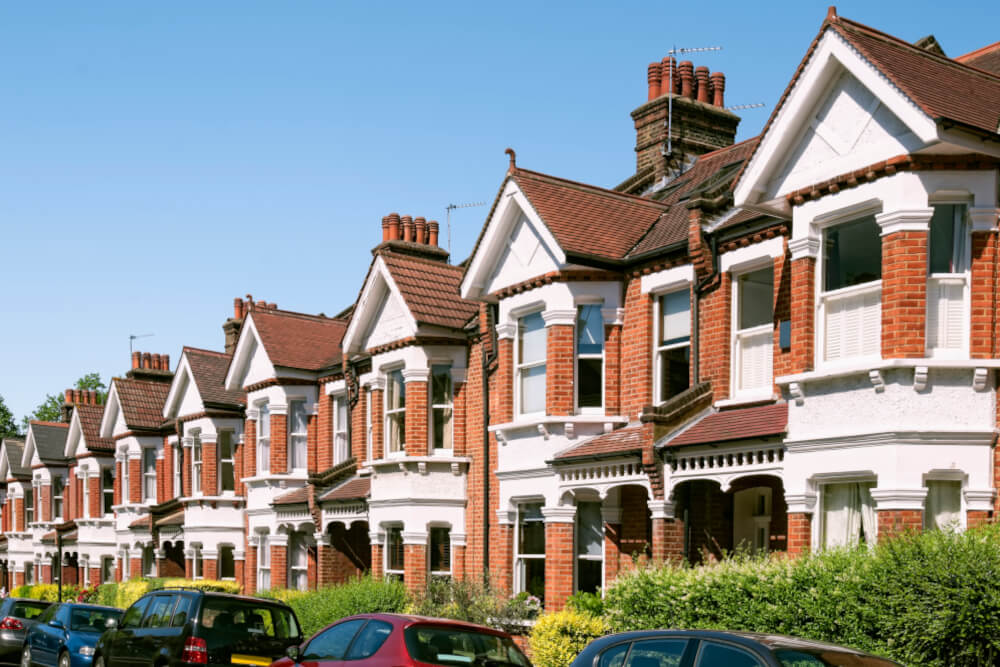
A RICS Level 3 building survey is a comprehensive, detailed inspection of a property carried out by a qualified surveyor registered with the Royal Institution of Chartered Surveyors. “RICS” sets the standards for surveying across the UK, and their three-tier system (Level 1, 2, and 3) tells you exactly how thorough the inspection will be.
Simply put: A Level 3 survey is the most detailed option short of a full structural engineering report. It’s designed for properties with potential issues, older buildings, ones that have been extended or heavily renovated, or when you just want absolute clarity before making a big financial commitment.
RICS standards exist to protect you. When you hire a RICS-registered surveyor, you’re not just getting someone with experience—you’re getting someone bound by a professional code of conduct, professional indemnity insurance, and accountability. If something goes wrong, there’s recourse.
A Level 3 survey follows a strict protocol:
The surveyor works to RICS guidelines, which means consistency in quality and thoroughness no matter where you are in the country.
Here’s where each survey fits:
| Level | Best For | What You Get | Cost Range | Time |
|---|---|---|---|---|
| Level 1 (Basic) | New-build, immaculate condition | Visual walkthrough, major issues only | £150–£400 | 1–2 hours |
| Level 2 (Standard) | Modern homes, good condition | Moderate detail, most common issues covered | £400–£900 | 2–3 hours |
| Level 3 (Comprehensive) | Older properties, suspected problems, peace of mind | Deep dive, every system checked, detailed report | £900–£2,000+ | 3–5 hours |
When to choose Level 3:
Skimping on a survey is like buying a car without a test drive. You might get lucky, but you might also end up with a £300,000 headache.
Let’s be honest: a Level 3 survey costs more than a Level 1 or 2. But consider what it actually does for you:
Early problem detection – Surveyors spot issues (roof deterioration, foundation movement, electrical hazards, hidden damp) that could cost thousands to fix later. Finding these before you commit can save you tens of thousands.
Negotiation leverage – If the survey flags problems, you have genuine grounds to renegotiate the price or ask the seller to fix things before completion. “The survey found X, Y, Z—we’ll need a £15,000 reduction” is backed by professional evidence.
Investment confidence – If you’re buying to let or flipping property, a Level 3 tells you exactly what you’re getting into. No surprises during renovation.
A good Level 3 survey will identify:
Each finding gets a risk rating: something needing urgent attention gets flagged differently from a cosmetic upgrade. The report tells you what the issue is, why it matters, and what to do about it.
Here’s the thing nobody mentions: peace of mind has real financial value. When you know your property has been thoroughly checked by an expert, you can:
That’s worth more than the survey cost alone.
Your surveyor will arrive with checklists, meters, and cameras. Here’s what a typical Level 3 inspection covers:
Exterior:
Interior:
Specialist Areas (flagged for follow-up if needed):
The surveyor takes photos, makes notes or voice notes, and uses thermal imaging cameras in some cases to spot hidden moisture or insulation gaps or to check underfloor heating if it is on.
A professional RICS surveyor doesn’t rush. A Level 3 survey typically takes 3–5 hours, depending on property size and complexity. They’ll:
The surveyor isn’t there to design your renovation—they’re there to give you the facts so you can make smart decisions.
Your Level 3 report is structured for clarity using our bespoke template with our ratings as Serious Defect, Essential Repair, Further Investigation, Other Repair or N/A:
Executive Summary – headline issues and what needs urgent attention
Property Description – size, age, construction type, general condition
Section-by-Section Findings – roof, walls, interior, services, etc., with risk ratings (Serious Defect, Essential Repair, Further Investigation, Other Repair or N/A:)
Photographic Evidence – actual images of issues or areas of concern
Risk Assessment – what’s a structural problem vs. cosmetic vs. a future consideration
Recommendations – what you should do next (get specialist reports, carry out repairs, monitor, etc.)
Defects Summary – quick reference of all issues flagged
You’re not expected to be a surveyor, but the report is written to be understood by a layperson. Your surveyor should be happy to explain anything that’s unclear.
Not all surveyors are created equal. Here’s how to find one who’ll give you genuine confidence—and why many local property buyers trust us to do exactly that.
When you’re comparing surveyors, these are the non-negotiables:
RICS Regulated Firm – verify on the RICS website. This means they’re qualified, insured, and bound by professional standards. We’re fully RICS-registered and regularly reviewed against their code of conduct—no exceptions.
https://www.ricsfirms.com/office/771576/Gibsons-Surveyors-Limited
Specialism matched to your property – does the surveyor have real experience with your type of property? A surveyor brilliant with Victorian terraces might be less experienced with 1960s bungalows or modern conversions. Ask about their recent work in your property type. We’ve spent years specializing in London, Essex and the Home Counties in all property types so we understand the quirks, common issues, and what to prioritize.
Genuine local knowledge – a surveyor who knows your area understands the specific risks and patterns. Victorian properties in one street might have different subsidence risks than the same age property 10 miles away. We’ve surveyed hundreds of properties across London, Essex and the Home Counties, so we know the soil conditions, local building practices, and what problems typically emerge in each neighbourhood.
Independence – avoid surveyors who are also estate agents or tied to one mortgage company. Independent surveyors give unbiased reports. We’re completely independent; our only interest is giving you the truth about your property, not pushing a sale.
Proper
insurance – check they have
professional indemnity insurance (at least £1–2 million cover). This protects
you if they miss something. We carry [£3 million] in professional indemnity
insurance, so you’re fully protected.
Real client feedback – look for testimonials from actual buyers. What do previous clients say? Did the surveyor find problems that mattered? Were findings explained clearly? Our clients regularly tell us they appreciate our thoroughness and the way we make complex issues understandable.
Communication that actually works – you want someone who explains findings clearly, isn’t condescending, and will answer your questions without making you feel rushed. Call or email potential surveyors; you can usually tell in minutes if they’re approachable. When you speak to us, you’ll notice we take time to understand your specific concerns and answer every question properly.
There’s a real difference between a surveyor who knows your area and one who’s just passing through.
A surveyor with deep local roots will know:
We’ve built this knowledge over years of working in London, Essex or the Home Counties. We can spot the early signs of problems that newer surveyors might miss, and we know which issues are cosmetic vs. genuinely urgent for your particular location. When we survey a 1950s semi in London, Essex or the Home Counties, we’re not guessing—we’re drawing on dozens of similar properties we’ve inspected in that exact neighbourhood.
Before you commit to any surveyor, watch out for these warning signs:
Make the property accessible:
Gather paperwork (this really helps us):
If you have these, they’re gold. They give us context and save time during the survey.
Brief the surveyor about your concerns:
When you book directly with us, we do a pre-survey call or email exchange. This means we arrive already understanding your main concerns. We’re not discovering what matters to you halfway through the inspection—we know it from the start.
Please be available, but not intrusive
You do not need to accompany the surveyor from room to room. However, it is helpful if you are nearby in case we have questions. If we ask about alterations, recurring defects, servicing history, or anything you have observed, your input is useful factual information.
As a guide, we typically ask that you are available:
The time in between is when we work systematically through the property and may need uninterrupted access to rooms, meters, hatches and external areas. Please do not be concerned if we spend longer in one location; thorough inspection is the purpose.
Please do not conceal defects or “present” the property
Our role is to record condition and identify issues. Concealing defects can hinder the inspection and may lead to further enquiries later in the transaction. We therefore ask that you avoid covering, disguising, or damping-down known problems, for example:
We are there to report the facts in a professional and objective manner. Properties of all ages and conditions have defects; this is normal, and transparency assists everyone involved.
Keep a brief record of what is discussed
If you are present at the beginning or end, we recommend you make a note of any points raised and any areas we ask about. This helps avoid misunderstandings later and supports a smoother sales process.
Where relevant, some vendors choose to take a quick photo of an item being discussed (for example, a specific defect, certificate, or location). This is perfectly acceptable and can be useful when responding to follow-up queries.
Read it carefully (it’s written for you):
Ask for clarification—we’re here for it:
We include a post-survey call or Zoom call option in all our packages so you can discuss the findings properly. This isn’t upselling—it’s making sure you actually understand what you’re paying for.
Get specialist quotes if we recommend them:
Plan your next move:
We’re available throughout this process. Many clients email us after receiving the report with questions about specific findings or to discuss strategy.
Typically 2–5 hours, depending on property size and condition. A 3-bedroom semi might take 3 hours; a large Victorian house with multiple issues could take 5 hours or more. The surveyor doesn’t rush—thoroughness matters.
Not always. Thermal imaging is sometimes included to spot insulation gaps or hidden damp, but it’s an add-on for some surveyors. Ask when booking if thermal imaging is included or available.
Often yes, depending on findings. If the surveyor flags suspected asbestos, structural movement, serious damp, or electrical hazards, they’ll recommend a specialist. These reports cost £200–£1500+ but give you exact repair costs and solutions.
You definitely need a Level 3 survey. Listed buildings have specific requirements, conservation area may also be subject to an Article 4 regulation, and often hidden structural complexity. A surveyor experienced with listed properties will understand these nuances.
Register your interest today to receive further information about our Level 3 Building Survey services. We’ll provide guidance on what to expect from a survey, advice on common property issues, and updates to help you make informed decisions.
Simply leave your details and we’ll be in touch with clear, practical information tailored to your needs.