

Imagine finally finding your dream home in London, Essex, or the Home Counties—only to have your hopes dashed by unexpected findings in your building survey. Property buyers are often surprised by the number and seriousness of issues revealed, from hidden damp to structural faults. Understanding what’s uncovered in these surveys can help you make informed, confident decisions in 2026’s fast-paced property market.
Quick answer: The common problems found in building surveys are damp, structural movement, roofing issues, timber decay, outdated electrics, and plumbing defects. These issues highlight the importance of a professional survey for UK buyers, ensuring you know a property’s true condition before you commit.
Key Takeaways
Common problems found in building surveys include damp, movement, timber decay, and outdated services.
Many defects are not visible during standard viewings, making a thorough property condition assessment crucial.
Survey results can impact your offer, your budget, and your future peace of mind.
Expert surveyors—like Gibsons Surveyors—provide tailored advice for homes in London, Essex, and the Home Counties.
Understanding how to interpret building survey results helps avoid costly surprises.
Common Problems Found in Building Surveys: Damp, Movement and More
Damp and Moisture Problems
Without question, one of the most common problems found in building surveys across the UK is damp. This can take various forms—rising damp, penetrating damp, or condensation. In London, period conversions and Victorian terraces are particularly susceptible due to old brickwork and inadequate damp-proofing. Essex properties and homes in the Home Counties often suffer from damp resulting from blocked guttering or poor external drainage. Damp affects not just the structure, but also the health of occupants, causing mould and respiratory issues. A property condition assessment will typically include moisture readings and recommendations for remedial works.
Movement, Subsidence, and Settlement
Structural movement is another of the common problems found in building surveys, especially in regions with clay soils like Essex and North London. Surveyors look for cracks, sloping floors, and sticking doors or windows—classic signs of subsidence or settlement. It’s important to differentiate between historic movement (which may be stable) and ongoing issues requiring urgent intervention. Serious movement can dramatically affect property value and mortgage eligibility, making surveyor recommendations for homebuyers vital in these cases.
Roofing, Timber and External Defects in UK Surveys
Roofing Defects and Water Ingress
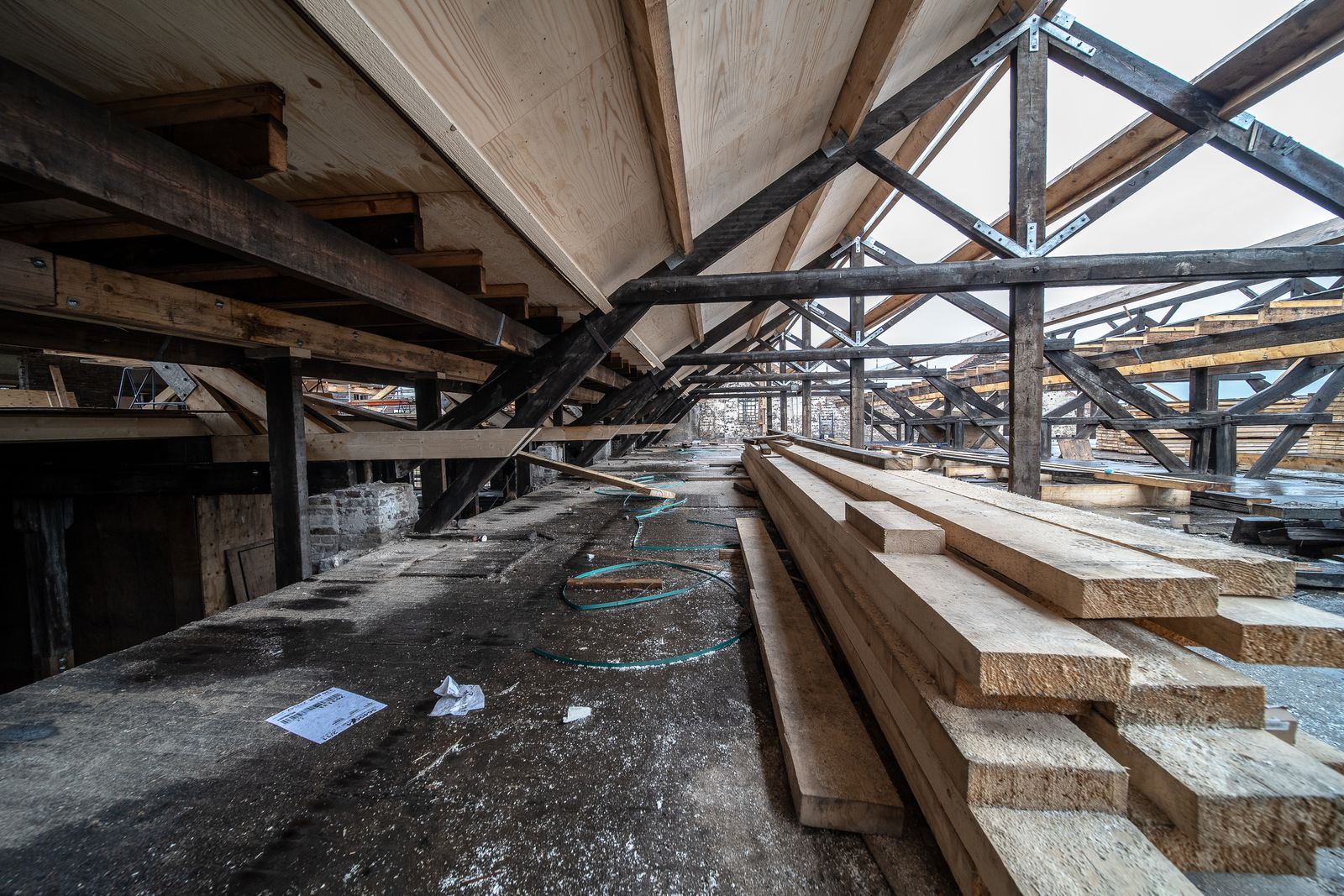
Another frequent entry on the list of common problems found in building surveys is roof defects. Missing, broken, or slipped slates and tiles can allow water to enter, leading to internal damage. Flat roofs, common in many Home Counties properties, are notorious for leaks and short lifespans. In London, converted flats may have complex roof structures with limited access, making thorough inspection essential. Surveyors will check the roof’s age, condition, and signs of past repairs, giving buyers a London property survey checklist for future maintenance.
Timber Decay, Rot, and Infestation
Hidden defects in property surveys often involve timber decay, which can range from minor rot in skirting boards to serious structural issues in floor joists or roof timbers. Properties in Essex and the Home Counties, especially historic cottages, are more likely to have untreated timbers at risk of woodworm and fungal decay. A building survey will identify these problems and suggest treatment or replacement, helping buyers avoid expensive surprises after completion.

Services, Installations and Internal Defects
Outdated Electrical Systems
One of the common problems found in building surveys in older homes is outdated or unsafe wiring. Many London properties still have original wiring or old-style fuse boxes that do not meet current safety regulations. Surveyors often flag these issues in homebuyer report issues, recommending a full electrical inspection by a qualified electrician. This is key for insurance and safety—and may affect your ability to secure a mortgage.
Plumbing, Heating and Drainage Problems
Survey pitfalls in the Home Counties and London often include plumbing defects—leaky pipes, ancient boilers, and poor drainage. Lead supply pipes, still found in some period homes, present both health and insurance concerns. Surveyors assess visible plumbing, test water pressure, and look for evidence of past leaks, giving you a realistic idea of future maintenance costs. Heating systems are also checked for age, efficiency, and compliance with modern standards.
Windows, Doors and Insulation
Poorly fitting windows and doors are another of the common problems found in building surveys. Older wooden frames may be rotten, warped, or single-glazed, impacting both security and energy efficiency. In London and Essex, where energy bills are high, the importance of modern insulation and double glazing cannot be overstated. Surveyors will highlight where upgrades are needed to bring the property up to modern standards.
External Areas, Boundaries and Environmental Issues
Gardens, Paths and Driveways
External areas are not immune to the common problems found in building surveys. Cracked or uneven paths, poorly maintained driveways, and inadequate drainage can all cause headaches for homebuyers. In suburban areas of Essex and the Home Counties, mature trees close to the house may pose a risk of subsidence or root damage. Surveyors will flag these issues and recommend solutions, often drawing on local expertise to assess risk.
Boundaries, Extensions, and Legal Considerations
Unclear boundaries, unauthorised extensions, or missing planning consents are also common survey findings UK-wide. These issues can delay a sale and even lead to future legal disputes. Building surveys, especially by RICS-regulated firms like Gibsons Surveyors, include checks on boundaries and visible extensions, prompting you to seek legal advice where necessary. This helps ensure your investment is protected from costly surprises down the line.
How to Interpret Building Survey Results and What to Do Next
Understanding Survey Ratings and Recommendations
Survey reports can be daunting, filled with terminology and technical detail. Most surveys use a colour-coded system (often red, amber, green) to indicate severity. Focus on immediate safety risks—such as structural movement, severe damp, or dangerous electrics—as these are the most urgent. Surveyor recommendations for homebuyers will usually include both immediate repairs and longer-term maintenance tips. If you’re unsure, ask your surveyor to walk you through the findings so you know exactly what you’re facing.
Valuation Services for Homebuyers
One benefit of working with a RICS-regulated firm like Gibsons Surveyors is access to valuation services for homebuyers. If significant issues are found, you may be able to renegotiate the price or request repairs before exchange. In high-value markets like London and Essex, even minor defects can have a substantial impact on property value. A correct valuation—taking account of common problems found in building surveys—helps ensure you do not overpay.
The Importance of Building Surveys in Essex, London, and the Home Counties
Why Local Knowledge Matters
Properties in different regions present different risks. London’s housing stock is a mix of period homes and new builds, each with unique vulnerabilities. Essex homes, especially those built on clay, often face subsidence, while the Home Counties are known for timber-framed cottages and thatched roofs, which bring their own set of challenges. The importance of building surveys in Essex and beyond cannot be overstated—local surveyors understand the quirks and potential pitfalls of the area. Gibsons Surveyors combine national coverage with deep regional expertise.
Official Guidance and the Role of RICS Surveyors
The UK government and RICS both stress that a building survey is essential for any buyer. It’s not just about peace of mind—many lenders require a survey, and it can reveal issues that affect your legal obligations or ability to insure the property. In 2026, with rising property values and older housing stock, ignoring a survey is a costly gamble. Choosing a reputable, RICS-regulated surveyor like Gibsons ensures a thorough, unbiased property condition assessment and actionable advice for buyers at every budget.
Frequently Asked Questions
What are the most common problems found in building surveys?
The most common problems found in building surveys are damp, structural movement, roofing defects, timber decay, outdated wiring, and plumbing issues. These are particularly prevalent in older homes across London, Essex, and the Home Counties.
How should I interpret building survey results?
Focus on urgent repairs and major risks. Surveyors use clear ratings and plain language for serious issues. Always ask questions and use the findings to inform your negotiations or maintenance plans.
Can survey findings affect my mortgage or insurance?
Yes. Major defects like subsidence, damp, or poor electrics can affect your ability to get a mortgage or home insurance. Lenders often require that significant problems are resolved before completion.
Should I worry if a survey finds many issues?
Not necessarily. Most surveys list several issues, many of which are minor or cosmetic. However, recurring or severe problems—such as structural movement or hidden damp—should be investigated and budgeted for.
Why use a RICS-regulated surveyor like Gibsons Surveyors?
RICS-regulated surveyors must meet strict professional standards and provide impartial, expert advice. Gibsons Surveyors give you the confidence that your survey is thorough and your interests are protected, whether buying in London, Essex, or nationally.
When you’re ready to take the next step, let Gibsons Surveyors provide the expert insight you need. With clear reports, local knowledge, and RICS standards, you’ll be able to navigate the common problems found in building surveys and secure your ideal home with confidence.