Gibsons Surveyors

Blog

How to Compare RICS Surveyors in London: Expert Guide 2026

Buying or selling a property in London, Essex, or the Home Counties can feel overwhelming—especially when it comes to choosing the right surveyor. With so many RICS-accredited experts and a maze of different report options, how do you know who to trust with one of life’s biggest investments?

Quick answer: To compare RICS surveyors in London, evaluate their accreditation, local expertise, service levels, and fees. Check reviews, request sample reports, and confirm RICS membership. Comparing surveyors ensures you receive a reliable, well-priced property survey from a qualified professional.

Key Takeaways

  • Always check for RICS accreditation and local experience when choosing a surveyor in London, Essex, or the Home Counties.
  • Comparing homebuyer reports and building survey options helps you select the right level of inspection for your property.
  • Review building survey feedback and valuation services to gauge quality and accuracy.
  • Surveyor fees can vary significantly—request detailed quotes and understand what’s included.
  • Gibsons Surveyors offers comprehensive, RICS-regulated services nationwide.

Why Compare RICS Surveyors in London?

The Importance of RICS Accreditation

Choosing a RICS-accredited surveyor guarantees your property survey is conducted by a professional who meets the highest industry standards. RICS (Royal Institution of Chartered Surveyors) ensures its members follow strict codes of conduct, ethical guidelines, and ongoing training. This is crucial in a complex property market like London, where regulations and property types vary widely. Whether you need a homebuyer report or a full building survey, working with a qualified expert means peace of mind—and reliable advice.

Local Experience Matters

London’s housing stock is as diverse as its neighbourhoods, from Georgian terraces to new-build flats. Local surveyors in Essex and the Home Counties will also be familiar with regional property quirks, such as subsidence areas or listed building requirements. When you compare RICS surveyors in London, prioritise those with proven local knowledge, as this can significantly affect the accuracy and usefulness of your report.

Types of Surveys: Homebuyer vs Building Survey

What is a Homebuyer Report?

Many property buyers ask, what is a homebuyer report? This is a mid-level survey, ideal for conventional homes in reasonable condition. It provides an expert evaluation of the property’s overall state, highlights urgent issues, and includes a market valuation. RICS accredited surveyors in London often recommend this for modern flats or houses without obvious defects.

Building Survey: For Older or Unusual Properties

A building survey (formerly known as a structural survey) is the most comprehensive option. It covers every visible element, from the roof to the foundations, and is especially useful for older, altered, or unique properties. When differentiating building surveys, consider factors like property age, construction type, and any renovation history. Always ask surveyors for sample reports to compare their thoroughness and clarity.

Survey TypeBest ForIncluded FeaturesTypical Cost (London)
Homebuyer ReportModern, well-maintained homesCondition rating, urgent repairs, valuation£500–£900
Building SurveyOlder, unusual, or altered buildingsDetailed structural analysis, advice on repairs£800–£1,500+
Valuation OnlyRemortgage, Help to Buy, probateMarket value assessment only£250–£450
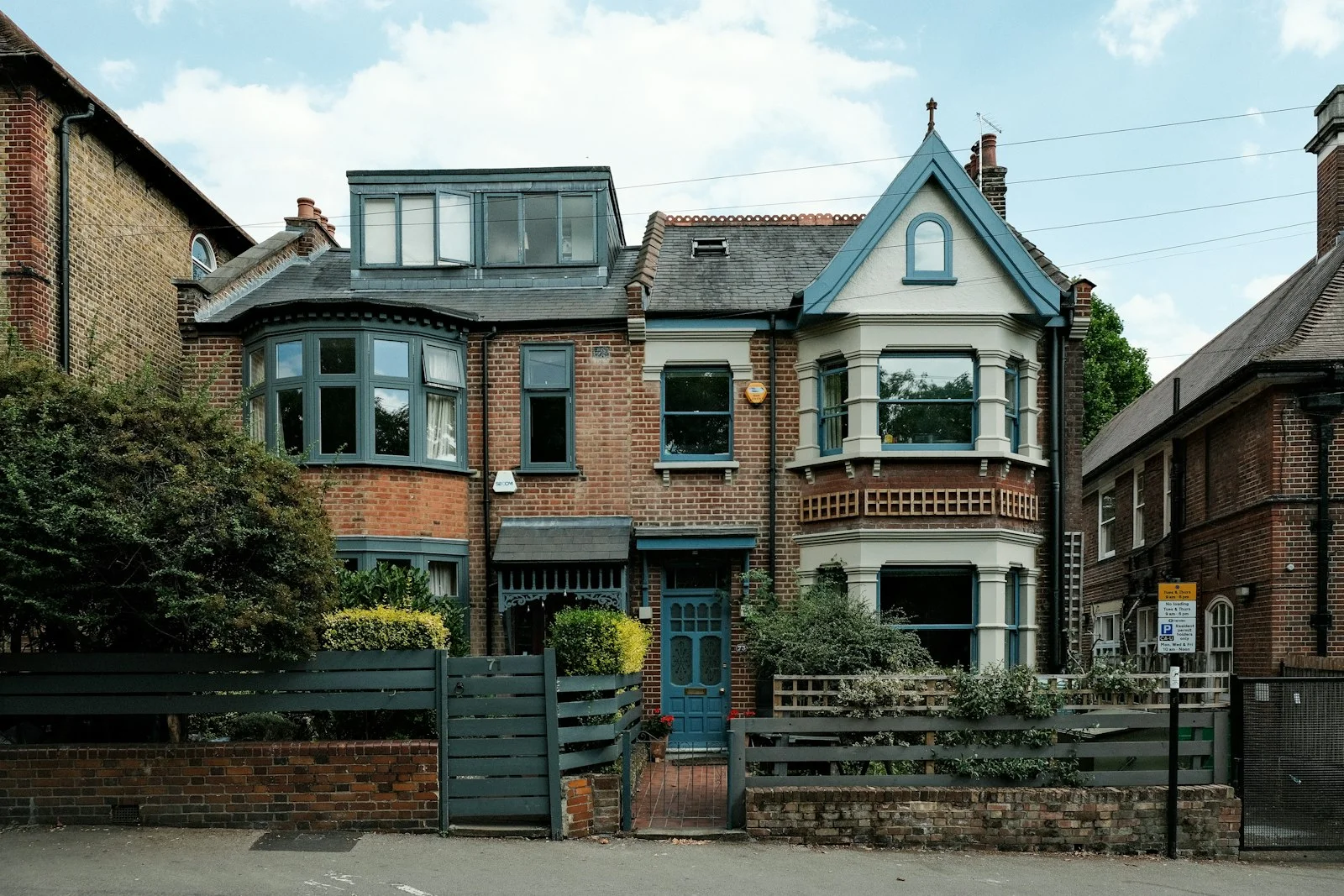
a large brick building
Photo by Max Kukurudziak on Unsplash

How to Choose the Best RICS Surveyor Near You

Review Qualifications and Experience

Not all surveyors are created equal. When seeking the best RICS surveyors near me, check their qualifications and specialisations. RICS surveyor fees in the Home Counties or London may reflect their expertise, but don’t base your decision on price alone. Look for surveyors with experience in the specific property type you are buying or selling. Valuable indicators include positive building survey reviews in London and evidence of handling similar cases.

Compare Reviews and Sample Reports

Online building survey reviews in London and Essex give real-world insight into surveyors’ professionalism, thoroughness, and communication skills. Requesting a sample report is another excellent way to judge the depth and clarity of their work. This can help you compare homebuyer survey options and see how different firms report their findings.

Understanding Surveyor Fees and What’s Included

Breaking Down the Costs

The cost of homebuyer reports in London and the Home Counties depends on factors like property size, value, and survey complexity. Expect to pay more for larger or older homes, or if you require a full building survey. Always request a detailed quote outlining what’s included—some surveyors bundle valuation services or aftercare advice, while others charge separately. Transparent pricing helps you avoid unexpected expenses down the line.

Value Beyond the Fee

While price matters, the cheapest option isn’t always best. A well-conducted survey can save thousands by uncovering serious issues early. When you compare RICS surveyors in London, balance cost with the quality of service, local expertise, and aftercare support. Gibsons Surveyors, for example, are known for clarity and responsiveness, offering property valuation services in Essex and beyond with full RICS regulation.

man in black jacket holding blue tablet computer
Photo by Bas Peperzak on Unsplash

Frequently Asked Questions

How do I verify a surveyor’s RICS accreditation?

You can check a surveyor’s credentials on the official RICS Find a Member tool. All accredited surveyors should appear here, ensuring they are regulated and appropriately qualified.

What should I consider when comparing building surveys?

Look at the level of detail, clarity of explanations, and how clearly repair recommendations are provided. Comparing sample reports and building survey reviews in London is a great way to assess quality.

Do I need a building survey or a homebuyer report?

If your property is modern and in good condition, a homebuyer report is usually sufficient. For older, altered, or unusual buildings, a full building survey is recommended to uncover hidden issues.

Are surveyor fees negotiable?

Some surveyors may offer flexibility, especially if you require multiple services. Always request a breakdown of RICS surveyor fees in London, Essex, or the Home Counties, and don’t be afraid to ask about discounts.

How long does it take to receive my survey report?

Typically, you’ll receive your report within 3–7 working days after the inspection. Timelines may vary, so confirm with your chosen surveyor before booking.

Choosing the right surveyor is crucial for protecting your property investment. Gibsons Surveyors provide expert, RICS-accredited homebuyer reports, building surveys, and valuations across London, Essex, the Home Counties, and nationwide. For professional advice tailored to your needs, get in touch with our friendly team today.


8 Crucial Benefits of Building Surveys Home Counties | 2026 Guide

Imagine discovering hidden structural problems just after moving into your new Home Counties property—an all-too-common and costly scenario for those who skip a professional survey. Many buyers and owners underestimate the power of building surveys, missing vital information that protects their investment, budget, and peace of mind. Let’s reveal what you really gain from a thorough property assessment.

Quick answer: The benefits of building surveys Home Counties include identifying hidden issues, accurate property valuation, expert repair advice, and greater negotiation power. These surveys protect buyers and owners in London, Essex, and the Home Counties, ensuring informed decisions and reducing the risk of expensive surprises after purchase.

Key Takeaways

  • Building surveys Home Counties reveal hidden and costly defects before purchase or sale.
  • They provide independent, expert property valuations for confident negotiations and insurance.
  • Choosing a RICS-regulated surveyor ensures quality, reliability and consumer protection.
  • Homebuyer reports and building surveys are recommended for all buyers and owners in London, Essex, and the Home Counties.
  • Survey findings guide future maintenance, budgeting, and investment planning.

Why Building Surveys Matter in the Home Counties

Uncovering the Unseen: The Real Value

The benefits of building surveys Home Counties go far beyond a brief visual check. Property in regions like Surrey, Kent, Buckinghamshire, and Essex can conceal problems ranging from damp and timber decay to subsidence and outdated wiring. A full survey from a local expert like Gibsons Surveyors identifies these risks, giving you a transparent view of a property’s true condition. This is especially vital in the Home Counties, where period cottages, historic townhouses, and modern estates can all present unique challenges. Professional property surveys Home Counties are your first defence against unexpected repair bills and buyer’s remorse.

Supporting Informed Property Decisions

With the property market in London, Essex and the Home Counties remaining competitive in 2026, buyers and sellers need every advantage. Building surveys offer a foundation for informed decisions, helping buyers avoid overpaying and sellers fix problems before marketing their home. For buyers, these detailed reports bring negotiating power—if a survey reveals £20,000 of repairs, you may renegotiate the price or even walk away. For sellers, resolving issues in advance can increase your property’s value and speed up the sale process.

Reducing Risk for First-Time and Repeat Buyers

Some of the biggest real estate survey advantages UK come for first-time buyers, who often lack experience in spotting property issues. However, repeat buyers also benefit; even seasoned investors can miss subtle signs of trouble. By commissioning a survey, you minimise the risk of inheriting costly defects and ensure your investment is based on facts, not appearances.

The Full Scope: What Does a Building Survey Include?

Detailed Property Assessments Home Counties Properties Need

One of the top benefits of building surveys Home Counties is the sheer thoroughness of a professional inspection. A building survey covers every accessible part of the property, inside and out. Surveyors check the roof, walls, floors, windows, doors, cellars, garages, outbuildings, plumbing, electrics, and insulation. They also assess for damp, rot, structural movement, asbestos, and compliance with building regulations. For older or extended homes common in the Home Counties, these detailed property assessments Home Counties are especially valuable, as even minor issues can escalate if left unchecked.

What’s in a Report? Key Features Explained

Your surveyor provides a written report outlining defects, urgent repairs, and recommended remedial work. You’ll also receive advice on ongoing maintenance and the potential impact of any problems. For buyers evaluating multiple homes, this objective data makes comparing properties far easier. For homeowners, the report acts as a maintenance roadmap, helping to plan works and protect long-term value.

Comparing Survey Types: Homebuyer Reports, Building Surveys & Valuations

The right survey depends on your property and needs. Homebuyer reports London Essex are best for newer, conventional homes—with a clear summary of urgent issues and straightforward advice. Full building surveys suit older, altered, or high-value properties, offering the most comprehensive inspection and reporting. Valuation services provide a market value estimate, essential for mortgage applications, remortgaging, or tax purposes. Below is a comparison to guide your choice:

Survey TypeBest ForScopeTypical Cost (Essex & Home Counties)
Homebuyer ReportModern or standard homesMid-level, urgent issues, advice£400–£800
Building SurveyOlder, large, or altered homesAll elements, full detail£700–£1,500+
Valuation OnlyRemortgage, probate, taxMarket value estimate£250–£500+

Always discuss your needs with a qualified surveyor, who can recommend the most suitable option for your purchase or ownership goals.

Benefits Of Building Surveys Home Counties — Close-up of a surveyor examining a damp patch with a moisture meter inside a Vic
Close-up of a surveyor examining a damp patch with a moisture meter inside a victorian hom

8 Benefits of Building Surveys for Home Counties Buyers & Owners

1. Reveals Hidden Defects & Costly Problems

The most obvious benefits of building surveys Home Counties is exposing issues invisible to the untrained eye. Damp, woodworm, structural cracks, or outdated electrics can all be missed without expert inspection, especially in period properties found throughout London, Essex, and the Home Counties.

2. Accurate Property Valuation

Knowing the true value of your property is crucial for negotiations, insurance, and future planning. London property valuation services and those covering the Home Counties ensure you don’t overpay or undersell. Valuations are especially important for remortgaging, probate, or tax calculations, and can be critical evidence in disputes.

3. Leverage in Negotiations

If a survey identifies £10,000 of urgent repairs, you have strong grounds to lower your offer or request the seller fixes issues before completion. This leverage can save buyers thousands and give sellers a clear path to a smoother sale.

4. Clear Maintenance and Repair Advice

Surveyors don’t just point out problems—they recommend practical solutions and priorities, supporting your budgeting and maintenance planning. For homeowners, this proactive advice helps prevent minor issues from becoming major expenses.

5. Risk Reduction for Mortgages and Insurance

Lenders and insurers trust RICS-regulated surveys. Identifying structural or legal risks early helps secure mortgage approval and affordable insurance. A survey can even highlight issues that would make a property uninsurable or unmortgageable, saving wasted time and money.

6. Compliance and Legal Protection

Surveys include checks for compliance with building regulations and planning permissions. This is vital for properties with extensions or loft conversions—a common scenario in the Home Counties. Unauthorised works can cause legal headaches; a survey flags these early.

7. Planning for Future Works or Renovations

Detailed survey reports help you plan safe, cost-effective renovations and upgrades. Understanding the building’s structure and services ensures your project starts on the right foot, reducing the risk of costly surprises during building works.

8. Peace of Mind for Buyers and Owners

Perhaps the greatest benefit is peace of mind. Whether you’re buying a new home in Kent, maintaining a heritage property in Essex, or investing in London, knowing your property’s true condition helps you proceed with confidence.

Benefits Of Building Surveys Home Counties — Surveyor and couple reviewing a detailed building survey report together at a ki
Surveyor and couple reviewing a detailed building survey report together at a kitchen tabl

How to Choose a Building Surveyor in the Home Counties

Key Criteria for Selection

Selecting the right surveyor is as important as choosing the right survey. Always choose a practice regulated by the Royal Institution of Chartered Surveyors (RICS). This guarantees professional standards, robust complaints procedures, and up-to-date expertise. Gibsons Surveyors, with a reputation across London, Essex and the Home Counties, exemplifies these standards.

Local Experience and Tailored Advice

Local knowledge is invaluable. A surveyor who routinely works in the Home Counties is familiar with regional property quirks—like subsidence-prone clay soils in Hertfordshire, or common damp issues in Thames-side homes. Ask about their track record with properties similar to yours, and request sample reports to assess clarity and thoroughness.

Transparent Pricing and Clear Communication

The cost of building surveys in Essex and beyond should be clearly quoted up front, with no hidden fees. Choose a surveyor who is responsive, explains findings in plain English, and is happy to answer follow-up questions. Good communication is key to getting the most value from your survey.

Benefits of RICS Regulation

RICS-regulated surveyors follow strict codes of conduct and continuous professional development. This protects clients and ensures your survey is accepted by lenders, insurers, and legal professionals. You can check a surveyor’s credentials using the RICS member search tool.

Frequently Asked Questions

What does a building survey include?

A building survey includes a comprehensive inspection of the property’s structure, roof, walls, floors, windows, damp, electrics, plumbing, insulation, and any extensions or outbuildings. The report highlights defects, urgent repairs, maintenance advice, and compliance with regulations.

Why get a homebuyer report in London, Essex, or the Home Counties?

Homebuyer reports are ideal for standard or newer homes, offering a clear summary of issues that affect value or safety. They’re particularly useful in fast-moving markets like London and Essex, where buyers need reassurance and swift decision-making support.

How much does a building survey cost in Essex?

The cost of building surveys in Essex typically ranges from £400+ for a homebuyer report to over £1,500 for a full building survey on a large or complex property. Prices vary by size, age, and location, so always get a tailored quote.

Can surveys help with property disputes or insurance claims?

Yes—surveys provide impartial evidence about property boundaries, condition, and value. This can be vital for resolving disputes with neighbours or supporting insurance claims, especially for structural damage or subsidence common in some Home Counties areas.

Are building surveys required for all property purchases?

Surveys aren’t legally required, but most experts—including Which?—strongly recommend them for any purchase. Skipping a survey risks unexpected costs and complications, particularly with older or unique properties.

Ready to protect your investment in London, Essex or the Home Counties? Gibsons Surveyors deliver RICS-regulated homebuyer reports, building surveys, and valuation services—giving you the confidence and clarity to make the best property decisions nationwide.

Surveyor Fees in the Home Counties: 2026 Costs, Factors & Guide

Are you buying, selling, or remortgaging a property in London, Essex or the Home Counties? One of the most pressing questions is how much to budget for a professional property survey. With prices varying wildly and reports full of technical jargon, it’s easy to feel lost when trying to find the right survey and a fair fee. Understanding the real costs—and what drives them—can make all the difference to your decision and peace of mind.

Quick answer: Surveyor fees in the Home Counties in 2026 typically range from £400 to £1,500+, depending on survey type, property value, and location. Homebuyer reports cost less than full building surveys, while valuation-only services are the most affordable. Always compare quotes and check RICS accreditation for best value and reliability.

Key Takeaways

  • Surveyor fees in the Home Counties depend on property type, survey level, and region.
  • Expect to pay £400–£800 for homebuyer reports in Essex or the Home Counties; building surveys are higher.
  • Flat-rate valuation services fees Home Counties start around £250, but complex properties cost more.
  • Local expertise matters—choose RICS-regulated surveyors for recognised reports and professional standards.
  • Comparing surveyor costs across London, Essex and the Home Counties helps you find the best value for your needs.

What Are Surveyor Fees in the Home Counties in 2026?

Understanding How Surveyor Fees Are Set

Surveyor fees in the Home Counties reflect a mix of factors: the type of survey, property size and value, age, location, and the surveyor’s qualifications. For example, a new-build flat in Essex will cost less to survey than a Grade II listed home in Surrey. Surveyors in London tend to charge more due to higher property values and increased demand. Nationally, building survey expenses UK have risen slightly in 2026 due to inflation and regulatory requirements, but competitive local markets keep prices reasonable in most areas.

Price Ranges by Survey Type and Area

To help you budget, here are typical fees for common residential surveys in London, Essex and across the Home Counties:

  • Homebuyer Reports: £400–£800 (Essex and Home Counties), £500–£800 (London)
  • Full Building Surveys: £700–£1,500+ (all areas, with London at the upper end)
  • Valuation Services: £250–£600+ (Home Counties property valuation costs vary with complexity)

These represent average surveyor fees London and regional medians for 2026. Always request a tailored quote, as fees depend on property particulars and the specific surveyor’s approach.

Why Are Surveyor Fees Higher in London?

Surveyor costs comparison London Essex reveals notable differences. London surveyor fees often include a premium due to higher local property prices and the complexity of older or converted buildings. In contrast, affordable property surveys Home Counties are more common in less densely populated counties like Kent or Hertfordshire. Still, even within the Home Counties, local demand and property type can cause significant variation in fees.

Comparing Property Survey Costs: London, Essex & the Home Counties

How Do Survey Fees Differ Across the Region?

While the cost of building surveys in the UK has climbed slightly in recent years, competition among RICS-regulated surveyors helps keep prices in check. A property survey costs Home Counties comparison shows that Essex often offers lower fees than West London or commuter hotspots such as Windsor or St Albans. This is largely due to lower property values and less complexity in the housing stock.

Sample Table: Surveyor Fees by Area and Survey Type

Survey TypeLondonEssexHome Counties (average)
Homebuyer Report£500–£800£400–£650£425–£725
Building Survey£900–£1,500+£700–£1,200+£750–£1,350+
Valuation Only£350–£600+£250–£450+£275–£500+

These prices show the importance of a surveyor costs comparison London Essex before committing. Local surveyor services in Essex may offer better value, especially for straightforward properties. Always consider the surveyor’s experience, RICS status, and service details when comparing quotes.

Surveyor Fees In The Home Counties — A surveyor in Essex inspects the exterior wall of a family house, taking notes a
A surveyor in essex inspects the exterior wall of a family house, taking notes and demonst

What’s Included (and Not Included) in Surveyor Fees?

Understanding the Scope of Homebuyer Reports and Building Surveys

Surveyor charges for homebuyer reports usually include a thorough visual inspection of the main building and permanent outbuildings, assessment of visible defects, urgent repairs, and a market valuation. The popular Homebuyer Report is best for newer or conventional homes in reasonable condition. In contrast, a full building survey (sometimes called a structural survey) is the most comprehensive option. It covers all accessible elements, detailed analysis of the structure, and advice on repairs, maintenance, and possible hidden problems. This extra detail explains why building survey expenses UK are higher than for basic reports.

Valuation Services: Fees and What to Expect

Valuation services fees Home Counties are typically lower because these reports focus solely on the property’s market value, not its condition. They’re often used for remortgages, Help to Buy, or shared ownership. However, if the surveyor spots significant problems, they may recommend a more detailed inspection, which would incur an additional fee. Always clarify exactly what’s included in your quote and ask about possible extras, such as drone surveys, damp reports, or asbestos checks, which can all affect the total property survey costs Home Counties buyers face.

Hidden Costs and Optional Extras

Additional costs can arise if your property is unusually large, historic, or has outbuildings or land. Some surveyors charge more for urgent turnaround, travel outside their core area, or for specialist reports. It’s vital to confirm whether the quoted fee includes VAT and all standard report sections. Gibsons Surveyors, for example, provides clear, all-inclusive quotes to avoid surprises.

Factors Affecting Surveyor Fees in the Home Counties

Property Age, Size, and Complexity

The biggest single driver of how much do surveyors charge is the property itself. Older homes, period properties, and those with extensions or conversions need more time and expertise. Listed buildings, especially common in the Home Counties, usually require a full building survey and may attract higher fees due to their complexity. Newer flats or houses are generally cheaper to survey.

Location-Specific Influences

Surveyor fees in the Home Counties are not uniform: high-demand areas close to London (like Surrey and Berkshire) often see higher charges, while more rural areas or towns in Essex may benefit from affordable property surveys. Factors such as travel time, local property market trends, and surveyor availability can all subtly impact your quote. Choosing a local expert often means getting more relevant advice on regional construction methods and common defects.

The Importance of RICS Regulation

It’s wise to use a RICS-regulated firm, as only these surveyors are recognised by most lenders and legal professionals. RICS members adhere to strict codes of practice, so you’re protected if something goes wrong. To check a surveyor’s status, visit rics.org. Choosing Gibsons Surveyors, for example, means you benefit from full professional indemnity insurance and up-to-date knowledge of Home Counties property trends.

white and gray dumpy level
Photo by Morgan Von Gunten on Unsplash

How to Find and Compare Surveyor Fees in London, Essex & Beyond

Tips for Comparing Quotes

Start by identifying the right survey for your needs. For most buyers, a homebuyer report will suffice, but older or unusual homes may justify a full building survey. When finding a surveyor in London or the Home Counties, always request detailed written quotes. Look for clear breakdowns of what’s included, ask about VAT, and check for hidden extras. Comparing at least three RICS-accredited firms ensures you’re paying a fair price for your area and property type.

What Else to Consider Beyond Price

Don’t just pick the cheapest quote—consider the surveyor’s local knowledge, responsiveness, and aftercare. A reputable local firm like Gibsons Surveyors will offer post-survey advice and support, helping you understand the findings and what they mean for your transaction. Read online reviews and ask for sample reports to check the level of detail offered. For more guidance, see the Which? home survey guide.

When to Book Your Survey

Book your surveyor as soon as your offer is accepted—delays can hold up your purchase or cause you to miss crucial issues. In busy periods, especially in peak Home Counties moving seasons, surveyors may be booked up weeks in advance. Early booking gives you more choice and often better value.

Frequently Asked Questions

How much do surveyors charge for a homebuyer report in Essex or the Home Counties?

In 2026, surveyor charges for homebuyer reports typically range from £400–£700 in Essex and the Home Counties, with London prices tending to be higher. Fees depend on property size and condition.

Are building survey expenses UK tax deductible?

For residential buyers, survey fees are not tax deductible. However, landlords or property investors may be able to offset some costs—check with HMRC or your tax adviser for your specific circumstances.

What factors affect surveyor fees in the Home Counties?

Key factors include property age, size, complexity, survey type, location, and any additional requirements like fast turnaround or specialist reports. RICS accreditation and local market conditions also play a role.

Do I need a full building survey or is a homebuyer report enough?

If you’re buying a newer, standard property in good condition, a homebuyer report is usually sufficient. For older, unique, or altered homes—common in the Home Counties—a full building survey is recommended for peace of mind.

How do I find the best value local surveyor services in Essex or the Home Counties?

Seek out RICS-regulated firms with strong local reputations, request detailed quotes, and compare both fees and service quality. Local knowledge and transparency often provide better value than simply opting for the cheapest offer.

Whether you need a quick valuation, a thorough building survey, or expert advice on property survey costs in London, Essex or the Home Counties, Gibsons Surveyors offers transparent fees, local expertise, and RICS-accredited service. Contact us today to discuss your requirements and get a tailored quote—so you can move forward with complete confidence.

Cost of Homebuyer Reports Essex: 2026 Guide & Surveyor Tips

You’re searching for your ideal home in Essex, excited but wary of unexpected costs. The cost of homebuyer reports Essex residents face is often confusing, with prices varying widely and unclear differences between survey options. Making the right choice can save you thousands and give you peace of mind as you move forward with your property purchase.

Quick answer: The cost of homebuyer reports Essex buyers pay in 2026 typically ranges from £450 to £800, depending on property size, age, and location. Fees may increase for larger homes, extra valuation services, or more detailed building surveys. Always confirm what’s included before booking.

Key Takeaways

  • The cost of homebuyer reports Essex buyers face in 2026 is usually between £450 and £800.
  • Prices vary by property type, survey level, and whether valuation services in Essex are needed.
  • Homebuyer reports identify urgent issues and help you budget for repairs or renegotiate.
  • Gibsons Surveyors serve Essex, London, and the Home Counties with RICS-accredited expertise.
  • Comparing homebuyer report pricing in Essex ensures you get value and avoid hidden costs.

How Much Do Homebuyer Reports Cost in Essex?

2026 Pricing for Homebuyer Reports

The cost of homebuyer reports Essex buyers can expect in 2026 largely depends on the property’s market value, size, and age. For most standard properties—such as semi-detached or terraced homes—the average price falls between £450 and £800. However, for larger or period homes, especially those requiring more detailed investigation, the fees can rise to £1,000 or more. This is in line with typical Essex property survey costs and reflects the time and expertise involved.

Buyers often ask, “How much do homebuyer reports cost?” The answer is that costs are not fixed nationwide. House survey prices in the Home Counties and London may be higher due to property values and demand, with Essex offering a competitive middle ground. It’s important to balance affordability with quality—always choose a RICS-regulated provider like Gibsons Surveyors for peace of mind.

What Influences Survey Costs?

Sizing up the cost of homebuyer reports Essex surveyors quote means understanding what’s behind the numbers. Larger, older, or architecturally unique homes require more time for inspection and reporting, increasing the final fee. Location within Essex—such as busy urban centres or rural villages—can also affect access and scheduling, impacting the price.

Additional factors include whether you require extra valuation services in Essex, specialist checks (for timber, damp, or structural movement), or a more detailed building survey. The scope of the survey is a key driver of cost, as is the experience and accreditation of your surveyor. Investing in a professional, independent report can save you far more than it costs if hidden issues are identified.

What Is Included in a Homebuyer Report?

Core Features and Services

Many buyers wonder, “What is included in a homebuyer report?” A standard homebuyer report provides a detailed visual inspection of accessible property areas—walls, roofs, floors, windows, doors, and services such as heating and electrics. The surveyor will check for visible defects, signs of damp, subsidence, or unsafe alterations and flag any urgent repairs required.

Most homebuyer report pricing in Essex includes a summary of urgent and significant issues, advice on ongoing maintenance, and an overall assessment of the property’s condition. Some reports also feature a market valuation and insurance rebuild cost, which are especially useful for mortgage applications and insurance policies. Always confirm with your surveyor which elements are included and whether a valuation is part of your chosen package.

Homebuyer Reports vs Building Surveys

The cost of homebuyer reports Essex is generally lower than that of a full building survey. Homebuyer reports are best suited to properties built after 1900, of conventional construction, and in reasonable condition. They’re designed to be cost-effective and deliver essential insights for most buyers. In contrast, building surveys offer more comprehensive analysis, including structural integrity, hidden defects, and advice on significant repairs or alterations—ideal for older or heavily modified homes.

Survey TypeTypical Cost (Essex, 2026)Best ForDetail Level
Homebuyer Report£450–£800+Modern homes, standard flatsModerate
Building Survey£800–£1,500+Older, large, or altered propertiesHigh
Valuation Only£250–£450+Remortgaging, shared ownershipBasic

Choosing the right option can affect your total building survey expenses UK and the level of detail you receive. If in doubt, consult with an expert at Gibsons Surveyors, who can guide you based on your property’s age, construction, and any concerns you may have.

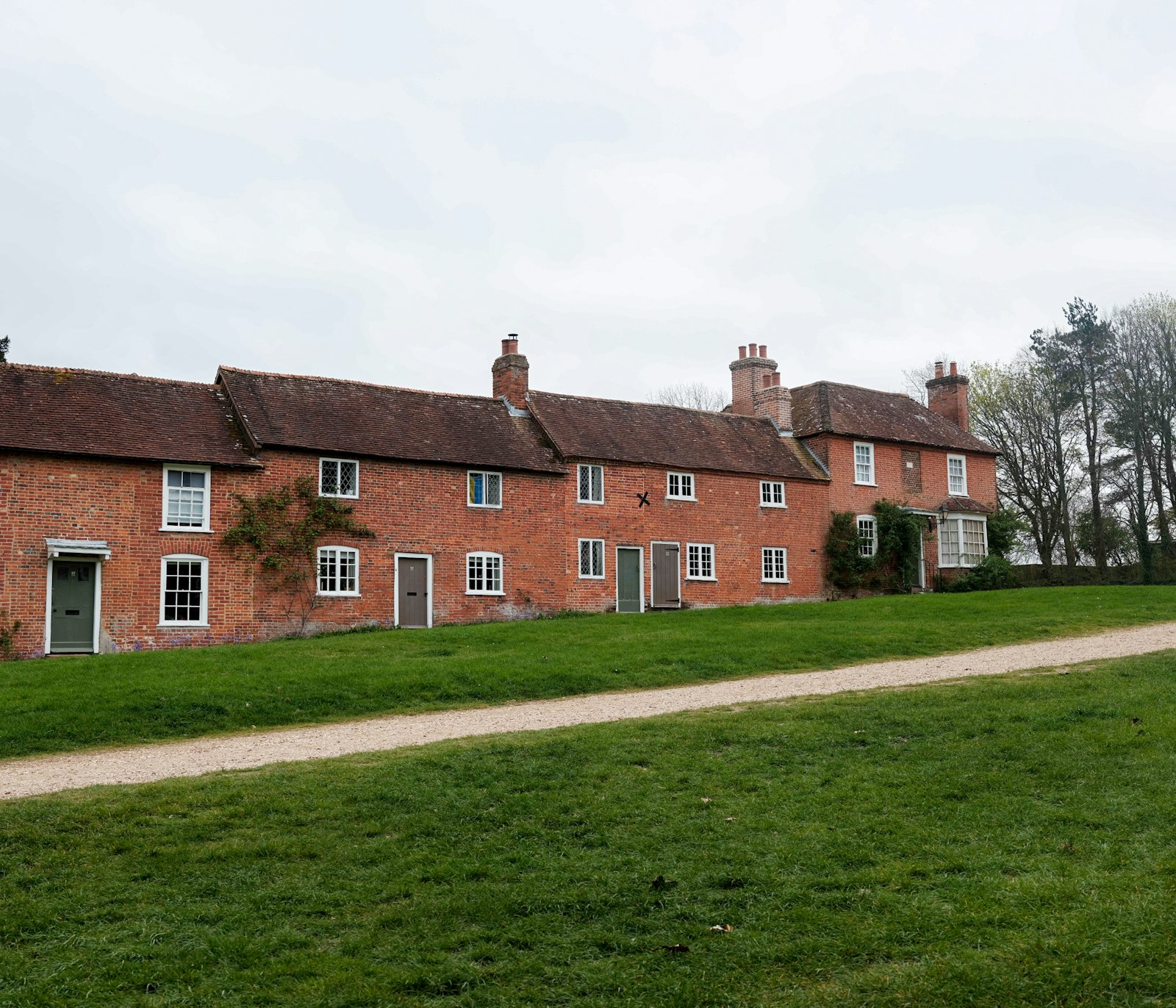
Cost of Homebuyer Reports Essex: red brick terraced houses of the kind a homebuyer report is designed for
A surveyor closely inspecting a period home’s interior in essex, taking notes beside origi

Comparing Homebuyer Report Pricing in Essex & Beyond

Cost Comparison Homebuyer Reports UK

It’s wise to compare the cost of homebuyer reports Essex surveyors charge with those in London and the wider Home Counties. Essex generally offers more affordable homebuyer surveys than central London, where demand and property values inflate prices. In the Home Counties, prices are similar to Essex for standard properties, but can rise sharply for larger country homes or listed buildings.

Don’t be tempted by the lowest price alone. A thorough, RICS-regulated survey can reveal costly defects that a cheap, basic report might miss. Ask for a breakdown of what’s included in the quote—some firms bundle home inspection fees Essex buyers pay with valuation, while others charge separately. Gibsons Surveyors provide clear, transparent pricing, so you know exactly what you’re getting.

Local Expertise Matters

Choosing a surveyor with deep local knowledge is key. Gibsons Surveyors bring decades of experience across London, Essex, and the Home Counties, offering insights into common issues with different property types in the region. This local expertise ensures that your homebuyer report is relevant, accurate, and tailored to the specific risks and styles found in Essex properties.

For more guidance on what to expect from a surveyor, see the RICS official advice page. It’s also worth noting that most lenders and insurers require surveys from RICS-accredited professionals to validate mortgage and insurance applications.

Bills and calculator sit on a desk.
Photo by RDNE Stock project on Pexels

Making the Most of Your Homebuyer Report

How a Good Report Saves You Money

Many buyers focus purely on the upfront cost of homebuyer reports Essex providers charge, but the real value is in the long-term savings. A comprehensive report can highlight urgent repairs—like faulty wiring, roof leaks, or damp—that may otherwise go unnoticed until after you’ve moved in. Armed with this information, you can negotiate the sale price or request repairs before completion, often saving thousands of pounds.

In 2026, as property values in Essex, London, and the Home Counties continue to rise, it’s more important than ever to ensure you’re making an informed investment. Homebuyer reports are especially valuable for first-time buyers, offering clarity on what to expect and helping to avoid unforeseen costs. Gibsons Surveyors’ detailed reports have helped countless buyers across the region proceed with confidence.

Valuation Services and Beyond

Combining your homebuyer report with Essex property valuation services gives you a complete picture of your prospective home’s worth and condition. This can support your mortgage application, help you arrange adequate insurance, and give you confidence that you’re paying a fair price. For unique or high-value properties, a custom valuation is strongly recommended.

Gibsons Surveyors offer flexible packages for homebuyers, including both surveys and valuations, to suit every need and budget. Their team is always happy to discuss your options and help you find the right balance between depth of inspection and overall cost of property assessments Essex buyers face.

Why Get a Homebuyer Report in 2026?

Peace of Mind and Negotiation Power

The cost of homebuyer reports Essex buyers invest in is a small price for peace of mind and negotiating strength. Property defects like subsidence, rising damp, or outdated wiring can turn your dream home into a financial headache. A thorough report lets you renegotiate the price, request repairs, or—if necessary—walk away before exchanging contracts.

The 2026 housing market remains competitive in Essex and the Home Counties, with buyers often under pressure to move quickly. Investing in a professional survey ensures you’re not blindsided by expensive surprises after completion. For many, the report pays for itself several times over by identifying issues that affect value or safety.

Tailored Advice and Ongoing Support

Surveyors like Gibsons don’t just list problems—they offer practical advice on repairs, future maintenance, and how best to protect your investment. Their local team can recommend trusted contractors or specialists if further investigation is needed. Choosing a surveyor who knows Essex, London, and the Home Counties means your report is not just a generic checklist, but a tailored assessment of your specific property and location.

If you’re ready to move forward confidently, ask your surveyor about the homebuyer survey options in Essex and which level of survey best matches your needs, risk profile, and budget.

Frequently Asked Questions

How much do homebuyer reports cost in Essex in 2026?

The cost of homebuyer reports Essex buyers pay in 2026 usually ranges from £450 to £800 for standard homes. Larger or older properties may require a building survey, which can cost £800 to £1,500 or more. Always request a detailed quote based on your property’s specifics.

What is included in a homebuyer report?

A homebuyer report covers a visual inspection of accessible areas, identifies urgent defects, and provides an overall assessment of condition. Many include a market valuation and insurance rebuild cost. Additional or more invasive inspections are available at extra cost.

Do I need a homebuyer report if I already have a mortgage valuation?

Yes—a mortgage valuation only confirms the property’s value for the lender and won’t highlight defects that could cost you money. A homebuyer report is for your benefit, revealing issues the valuation might overlook and helping you make an informed decision.

Are homebuyer reports required for all property purchases?

While not legally required, they are strongly recommended for buyers in Essex, London, and the Home Counties. Most lenders insist on some form of valuation, but a homebuyer report provides much broader protection and reassurance for your investment.

Can I get a cheaper survey online?

Some online providers offer lower prices, but they may lack local expertise or RICS accreditation. For reliable results and full lender acceptance, always choose a respected, RICS-regulated surveyor like Gibsons Surveyors.

Understanding the cost of homebuyer reports Essex buyers face empowers you to budget wisely and avoid costly surprises. For transparent pricing, tailored advice, and expert service across Essex, London, and the Home Counties, contact Gibsons Surveyors—your trusted partner for homebuyer surveys and valuation services.

How to Choose a Surveyor in London: 2026 Guide for Buyers

Buying property in London, Essex, or the Home Counties is a major milestone—but with so many surveyors and options, it can be daunting to know who to trust. Homebuyers worry about hidden problems, unclear fees, and whether their chosen expert truly understands the quirks of the local market. Here’s how to make the right choice with confidence.

Quick answer: To choose a surveyor in London, prioritise RICS accreditation, strong local experience, transparent pricing, and clear communication. Compare survey types, check independent reviews, and confirm the surveyor’s credentials to ensure the best outcome for your property purchase or valuation.

Key Takeaways

  • How to choose a surveyor in London: Focus on RICS accreditation, local expertise, and clear communication.
  • Understand the difference between homebuyer reports and building surveys before booking.
  • Ask about qualifications, turnaround times, and what’s included in the cost.
  • Compare quotes from several building surveyors in London for the best value.
  • Look for tailored advice from residential survey services in Essex and the Home Counties.

Why Your Surveyor Choice Matters in London’s Property Market

Unique Local Challenges and Opportunities

London is a patchwork of property types, from historic townhouses to new-build apartments. Each comes with its own risks and quirks. How to choose a surveyor in London means finding someone who not only understands surveying in general, but knows the local area’s construction styles, common problems, and even planning regulations. For buyers in Essex and the Home Counties, local expertise is just as critical—character properties, listed buildings, and fast-changing markets require a surveyor who can spot issues specific to your purchase.

The Importance of RICS Accreditation

When searching for building surveyors in London, always check they are regulated by the Royal Institution of Chartered Surveyors (RICS). RICS-accredited surveyors adhere to strict professional standards, ensuring reliable and unbiased advice. This is especially important for valuation services in the Home Counties and anywhere else you need accurate, trusted reporting. For more on RICS standards, see the official RICS website.

Survey Types Explained: What’s Right for Your Property?

Homebuyer Reports vs Building Surveys

One of the most common questions is the difference between a homebuyer report and building survey. Homebuyer reports (Level 2) are suitable for relatively modern or well-maintained homes, covering urgent defects and overall condition. Building surveys (Level 3) offer a detailed analysis of older, larger, or altered properties—ideal for many of London and Essex’s period homes.

Both report types are available from local experts offering residential survey services in Essex and Greater London. Choosing the right option will help avoid nasty surprises and arm you with negotiation power if urgent repairs are found.

Property Valuation Experts and Specialist Services

If you need a market value for mortgage, probate, or shared ownership, look for surveyors who are property valuation experts in Essex or your target area. Valuation services in the Home Counties should always be completed by someone with proven local experience and the correct qualifications. Some surveyors also offer specialist reports for timber defects, damp, or leasehold extensions—ask if these are relevant to your purchase.

Survey TypeIdeal ForTypical Cost (2026)Level of Detail
Homebuyer ReportModern, standard condition homes£500–£1,000General overview & urgent issues
Building SurveyOlder, altered, or large properties£1,000–£2,500+Comprehensive analysis, all defects
Valuation OnlyMortgage, shared ownership, probate£250–£700Market value assessment
a dark city street at night with a blue door
Photo by Miguel Puig on Unsplash

How to Find a Surveyor in London: Step-by-Step Guide

Where to Start Your Search

If you’re wondering how to find a surveyor in London, begin by searching the RICS Find a Surveyor tool. This ensures you’re only considering qualified, regulated professionals. Local estate agents can recommend surveyors, but always do your own research—read recent reviews, ask about their experience with properties similar to yours, and check for transparent pricing. If you’re buying in Essex or the Home Counties, searching for local surveyors near me can turn up specialists with deep area knowledge.

Comparing and Shortlisting

Once you have a shortlist of surveyors, compare their services, costs, and turnaround times. Ask about their experience with the specific property type and neighbourhood. How to choose a surveyor in London is not just about price: the best surveyors in Greater London will offer a balance of expertise, communication, and value for money. Look for firms like Gibsons Surveyors, who combine national coverage with local insight.

What to Ask a Surveyor Before You Book

Essential Questions for Peace of Mind

Knowing what to ask a surveyor is crucial. Here are key questions to help you make an informed decision:

  • Are you RICS-accredited and insured?
  • Do you have experience with properties like mine in London or Essex?
  • What’s included in your survey and report?
  • How long will the survey and report take?
  • Can I see sample reports or client references?

Don’t hesitate to quiz them about their surveyor qualifications and accreditations, especially if you need specialist advice or services in the Home Counties. Firms that are open and transparent are usually the most reliable.

Understanding Surveyor Credentials

Besides RICS membership, check for additional qualifications or memberships in relevant trade bodies. Some surveyors hold specialist diplomas or certifications—these can be especially valuable for unusual or high-value properties in London and Essex. For more on qualifications, see the official gov.uk guidance.

boy in orange long sleeve shirt writing on white paper
Photo by ThisisEngineering on Unsplash

Cost of Building Surveys in London: What to Expect in 2026

Breaking Down the Costs

Understanding the cost of building surveys in London is essential for budgeting. In 2026, expect to pay between £500 and £1,000 for a homebuyer report and £1,000 to £2,500+ for a full building survey, depending on the size, age, and complexity of the property. Valuation services in the Home Counties average £250–£700. Always ask for a detailed quote covering VAT, travel, and any special inspections.

How to Get Best Value

The cheapest survey is rarely the best. Consider the quality of reporting, depth of inspection, and aftercare support. Top building surveyors in London offer clear, jargon-free reports and prompt communication. Ask if they include a follow-up call to discuss findings—a small detail that can make a big difference in understanding your property’s condition.

London Property Survey Advice: Common Buyer Mistakes and How to Avoid Them

Overlooking Local Experience

One of the most common mistakes is hiring a surveyor with little knowledge of the London or Essex market. Local expertise is vital for understanding unique construction types, hidden risks, and area-specific regulations. London property survey advice: always favour surveyors with a proven track record in your area of interest.

Not Comparing Like-for-Like

Another pitfall is failing to compare surveyor quotes on a like-for-like basis. One surveyor might include thermal imaging or drone surveys as standard, while another may charge extra. Request detailed breakdowns so you can be sure you’re getting the best value—not just the lowest price. Remember, choosing a chartered surveyor is an investment in your peace of mind and your property’s future resale value.

Frequently Asked Questions

How do I know if a surveyor is qualified and trustworthy?

Check for RICS accreditation, relevant insurance, and positive client reviews. Ask about their experience with similar properties and request sample reports. The best surveyors in Greater London are open about their qualifications and happy to answer questions.

Is a homebuyer report enough for a Victorian terrace in London?

Usually, a building survey is more suitable for older or altered properties like Victorian terraces. These surveys provide a comprehensive inspection and can reveal hidden defects that a homebuyer report might miss.

Can I use a surveyor from Essex for a London property?

Yes, as long as they have experience with London properties and are familiar with the unique issues found in the capital. Many reputable firms, such as Gibsons Surveyors, cover London, Essex, and the Home Counties with dedicated local experts.

How quickly can I get a survey and report in 2026?

Most surveyors in London provide reports within 3 to 7 days of the inspection. Busy periods or complex properties may take longer—always ask for an estimated timeline before booking.

Do I need a valuation as well as a survey?

If you need a mortgage or are involved in probate, you’ll likely require a formal valuation. Many surveyors offer combined packages for building surveys and valuations, especially in the Home Counties and Greater London.

Making a smart, informed choice when deciding how to choose a surveyor in London is the key to a smooth, stress-free purchase. For expert, RICS-regulated advice across London, Essex and the Home Counties, contact Gibsons Surveyors—your trusted partner for homebuyer reports, building surveys, and valuation services in 2026.


What is a RICS Survey and Why Does It Matter?

When you start looking into property surveys, you’ll quickly come across the letters RICS. Surveyors describe themselves as RICS-regulated. Reports are labelled as RICS surveys. But what does RICS actually mean, and why should it matter to you as a buyer?

This guide explains what RICS is, what a RICS survey involves, and why instructing a RICS-regulated surveyor is the safest and most reliable choice when you’re buying a home.

What is RICS?

RICS stands for the Royal Institution of Chartered Surveyors. It’s the leading professional body for surveyors, valuers and property professionals in the UK — and one of the most respected in the world. Founded in 1868, RICS sets the standards that govern how qualified surveyors operate, and it regulates the firms that carry out survey and valuation work.

To become a member of RICS, a surveyor must complete an accredited degree, gain structured practical experience, and pass a professional assessment — the Assessment of Professional Competence, or APC. Only once they have passed this rigorous assessment can they use the letters MRICS (Member of the Royal Institution of Chartered Surveyors) or FRICS (Fellow) after their name.

RICS also has an Associate membership — AssocRICS (Associate of the Royal Institution of Chartered Surveyors) — gained through its own structured assessment. Associate members are qualified RICS professionals who carry out survey work within their area of competence, working to the same RICS Home Survey Standard and Rules of Conduct.

Membership isn’t a one-time achievement either. RICS members are required to keep their knowledge current through continuing professional development, and they must comply with RICS rules of conduct throughout their careers.

What is a RICS Survey?

A RICS survey is a residential property survey carried out in accordance with the RICS Home Survey Standard — the framework that governs how surveys should be conducted and reported. This standard ensures consistency, quality and transparency across all RICS residential surveys, regardless of which firm carries them out.

There are three levels:

RICS Level 1 — Condition Report. A basic overview of a property’s condition, using a traffic-light rating system. Suited to new-build or near-new properties in excellent condition.

RICS Level 2 — Homebuyer Report. The most widely used survey. A thorough visual inspection with condition ratings for all major elements of the building. Well suited to conventional properties in reasonable condition.

RICS Level 3 — Building Survey. The most comprehensive survey available. A detailed inspection and analysis of the building’s condition, construction and defects. Right for older, complex or troubled properties.

Each level has defined requirements for what must be inspected and reported on, which is why a RICS survey gives you genuine assurance about the quality of the report you receive.

Why Does RICS Regulation Matter?

Anyone can call themselves a property inspector or surveyor — there is no legal requirement to hold any particular qualification to carry out a building inspection. This means that without RICS regulation (or membership of an equivalent body), a buyer has no guarantee that the person inspecting their property has the knowledge, training or professional accountability to do the job properly.

Choosing a RICS-regulated firm gives you several important protections:

Professional standards. RICS members must follow the RICS Home Survey Standard and Rules of Conduct. There is a defined framework for how the inspection should be carried out and what the report must contain.

Professional indemnity insurance. RICS-regulated firms are required to hold professional indemnity insurance. If your surveyor makes an error that results in financial loss to you, you have a route to redress.

Complaints procedure. If you’re unhappy with the service you receive, RICS provides a formal complaints handling process — giving you independent recourse if things go wrong.

Accountability. RICS members put their name and professional reputation behind every report they sign. That accountability matters.

What’s the Difference Between a Chartered Surveyor and a Registered Valuer?

You may also see the term Registered Valuer alongside Chartered Surveyor. These are distinct credentials.

A Chartered Surveyor (MRICS or FRICS) is qualified to carry out surveys and inspections. A Registered Valuer holds an additional RICS qualification specifically for valuation work — confirming that they are competent to provide formal market valuations in accordance with the RICS Valuation — Global Standards (known as the Red Book).

If you need a formal valuation — for Help to Buy, shared ownership, probate, matrimonial purposes or a Help to Buy redemption — you should always instruct a RICS Registered Valuer, not just any surveyor.

How Do I Know if My Surveyor is RICS-Regulated?

You can check whether a surveyor or firm is RICS-regulated by searching the RICS Find a Surveyor directory at rics.org. This lists all regulated firms and their members, so you can verify credentials before you instruct anyone.

Look for the RICS logo on the firm’s website, and check that the individual surveyor carries MRICS, FRICS or AssocRICS after their name. If a firm can’t demonstrate RICS regulation, consider that a red flag.

Does RICS Regulation Cost More?

Not significantly — and any small difference in fee is easily justified by the protection RICS regulation provides. The professional standards, insurance and accountability that come with a RICS-regulated survey are not extras: they are the baseline quality assurance that every buyer should expect.

A lower quote from an unregulated inspector may look attractive, but it comes without the safeguards that matter when you’re spending hundreds of thousands of pounds on a property.

Choose a RICS-Regulated Surveyor for Your Purchase

Gibsons Surveyors Ltd is a RICS-regulated firm of Chartered Surveyors and Registered Valuers. Andrew Gibson BSc (Hons) MRICS brings local expertise and rigorous professional standards to every survey and valuation across Essex, Greater London, Kent and Hertfordshire. He is supported by Harry Crawford-Vine AssocRICS, an Associate of RICS and RICS Registered Valuer, who carries out Level 2 Home Surveys and valuations to the same professional standards.

Every report is written in plain English — no jargon, no padding, just clear and honest information to help you make a confident decision about your purchase.

Contact Gibsons Surveyors at gibsons-surveyors.ltd/contact-us/ to discuss your survey requirements or request a no-obligation quote.

How Much Does a House Survey Cost in Essex?

One of the most common questions buyers ask when arranging a survey is: how much is this going to cost? It’s a fair question — and one that deserves a straight answer rather than a vague “it depends.”

The honest answer is that survey fees vary, and there are good reasons for that. But this guide will walk you through what you can realistically expect to pay for a house survey in Essex, what drives the cost, and how to make sure you’re getting genuine value rather than just the cheapest quote.

What Types of Survey Are Available?

Before discussing cost, it helps to understand what you’re choosing between. Under the RICS Home Survey Standard, there are three levels of survey:

Level 1 — Condition Report. The most basic option, providing a snapshot of the property’s condition using a traffic-light rating system. It includes no advice on repairs and is suited only to new-build or near-new properties in excellent condition. Most buyers don’t need this.

Level 2 — Homebuyer Report. The most commonly chosen survey. A thorough visual inspection with condition ratings and, in some versions, a market valuation. Suited to conventional properties in reasonable condition built broadly from the 1930s onwards.

Level 3 — Building Survey. The most detailed option. A comprehensive inspection with full analysis of defects, their causes, and repair options. Right for older, larger or more complex properties, or those showing signs of problems.

How Much Does a Level 2 Survey Cost in Essex?

For most standard residential properties in Essex — a three-bedroom semi in Chelmsford, a terrace in Colchester, a 1970s detached in Brentwood — a Level 2 survey typically costs between £500 and £900 plus VAT.

Several factors influence where your fee sits within that range:

Property size. Larger properties take longer to inspect and to report on. A five-bedroom detached will cost more to survey than a two-bedroom flat.

Property value. Some surveyors scale their fees to property value. This isn’t universal, but it’s common practice.

Location. Properties in central London or higher-value postcodes may attract higher fees than equivalent homes in Essex or Kent, reflecting both market conditions and travel time.

Additional services. If you want a market valuation included with your Level 2 survey, this will typically add to the cost. Make sure you understand exactly what’s included when you get a quote.

How Much Does a Level 3 Survey Cost in Essex?

A Level 3 building survey requires more time on site and significantly more detailed reporting. For most Essex properties, you should budget from £950 plus VAT, with larger or more complex homes costing more.

If the property is listed, unusually large, or requires particularly detailed investigation of a specific area of concern, your surveyor may quote above £950 plus VAT — and it’s worth understanding why before you decide whether to proceed.

What Affects the Price of a House Survey?

To summarise the main factors:

  • Size of the property — more rooms and more floor space means a longer inspection and a more detailed report
  • Age and construction — older or non-standard properties take longer to assess properly
  • Location — travel time and local market conditions both play a role
  • Survey level — a Level 3 costs more than a Level 2 because it involves significantly more work
  • Additional services — market valuations, reinstatement cost assessments and other add-ons carry their own fees

Is a Cheaper Survey Always Worth It?

Not necessarily. A survey is only as useful as the expertise behind it. A low fee from an unregulated inspector or a firm that outsources work to generalist contractors is unlikely to serve you as well as a report written by a RICS-qualified chartered surveyor with genuine local knowledge.

When comparing quotes, check:

  • Is the surveyor RICS-qualified and regulated?
  • Will the same person who inspects the property also write the report?
  • Are they familiar with properties in your area?
  • Can they talk you through the findings afterwards?

These questions matter. A thorough survey from a knowledgeable local surveyor can save you significantly more than it costs — by flagging problems you can negotiate on, identifying issues that require further investigation before you commit, or simply giving you the confidence to proceed with a purchase.

What Does a Survey Save You?

Think of a survey not as an upfront cost, but as risk management. If a Level 2 survey on a £350,000 Essex home costs £500 and reveals £8,000 worth of roof repairs and a damp problem that needs remediation, you have options: negotiate a reduction in price, ask the seller to remedy the defects, or walk away before you’ve committed legally. Without the survey, you’d have none of those options.

The cost of not having a survey is almost always higher than the cost of having one.

Get a Clear Quote from Gibsons Surveyors

Gibsons Surveyors Ltd is a RICS-regulated firm of Chartered Surveyors and Registered Valuers covering Essex, Greater London, Kent and Hertfordshire. Andrew Gibson BSc (Hons) MRICS carries out every survey personally and provides clear, jargon-free reports that tell you exactly what you need to know.

We provide straightforward, no-obligation fee quotes — and we’ll always advise you honestly on the right level of survey for your property before you commit.

Contact us at gibsons-surveyors.ltd/contact-us/ to get a quote or ask any questions about your survey.

What Does a Level 3 Building Survey Cover?

If you’re buying an older property, a home with an unusual construction, or one that’s clearly seen better days, you may have been told you need a Level 3 survey. But what does that actually mean — and what do you get for your money?

This guide explains what a Level 3 building survey covers, who it’s right for, and how it compares to the more commonly chosen Level 2.

What is a Level 3 Building Survey?

A Level 3 survey — sometimes still referred to by its older name, a Full Structural Survey or Building Survey — is the most comprehensive residential survey available under the RICS Home Survey Standard.

It involves a thorough inspection of the property’s condition and construction, going well beyond the visual check carried out at Level 2. Where a Level 2 report identifies defects and rates their severity, a Level 3 report goes further: it explains what has caused a defect, what the likely consequences are if it isn’t addressed, and what options are available for repair.

The result is a detailed, technical document that gives you a genuinely thorough understanding of the building you’re buying.

What Does a Level 3 Survey Inspect?

The surveyor will inspect all accessible parts of the property, including:

  • The roof covering, structure and any flat roof sections
  • Chimneys, parapet walls and external brickwork or stonework
  • Windows, doors, lintels, sills and any decorative features
  • Damp, condensation, rising damp and penetrating moisture
  • Timber elements — floors, joists, roof timbers — and any signs of rot or infestation
  • Internal walls, ceilings, and floors, including any signs of movement or structural concern
  • Extensions, outbuildings and any alterations to the original structure
  • Services (gas, electricity, plumbing, drainage) — visually inspected, not tested
  • The loft space, cellar or basement where safely accessible

Where a defect is found, your surveyor won’t just flag it — they’ll explain its likely cause and give you a clear view of what needs to happen next. That might mean recommending specialist investigation by a structural engineer or damp specialist, or it might mean providing a straightforward assessment of the repair required.

Our Level 3 is a bespoke report. It still follows the RICS Home Survey format, but instead of the standard 1–2–3 traffic-light condition ratings we rate each element as: Not applicable, Other repair, Essential repair, Serious defect, and Further investigation.

How is a Level 3 Survey Different from a Level 2?

The difference comes down to depth and analysis.

A Level 2 survey uses a condition rating system (1, 2 or 3) to indicate the severity of defects. It’s designed to be clear and accessible, and works well for properties in reasonable condition and of conventional construction.

A Level 3 survey goes further. It provides greater detail on how and why defects have occurred, describes the construction of the building in more depth, and gives more specific guidance on repairs and further investigations. For complex or troubled properties, this level of detail can be essential.

Think of it this way: a Level 2 survey tells you what the problem is. A Level 3 survey tells you what, why, and what to do about it.

Who Needs a Level 3 Survey?

A Level 3 survey is the right choice when:

  • The property was built in the 1930s or earlier, particularly if it uses older construction methods such as solid brick walls, lime mortar or original timber frames
  • The property is listed, or within a conservation area
  • You can already see signs of movement, damp, or structural alteration
  • The property has been heavily renovated, significantly extended or altered from its original layout
  • It uses non-standard construction materials such as concrete panels, steel frame, or timber frame
  • You simply want the fullest possible picture before committing to a purchase — which is always a legitimate reason

It’s also worth choosing a Level 3 if the property has been empty for a period of time, or if it’s clearly been neglected. Buildings that haven’t been maintained tend to have layers of problems, and a thorough inspection is the only way to understand what you’re dealing with.

What Won’t a Level 3 Survey Cover?

Even a Level 3 survey has limits. It remains a visual inspection — your surveyor cannot open up walls, excavate foundations, or carry out invasive testing without separate specialist involvement.

It won’t replace a Gas Safe inspection, an Electrical Installation Condition Report (EICR), or a full CCTV drain survey. If your surveyor identifies concerns in any of these areas, they will recommend the appropriate specialist.

What a Level 3 survey does do is give you a far more complete picture than any other residential survey product — and the analysis to make sense of what it means for your purchase.

How Much Does a Level 3 Survey Cost?

Fees vary depending on the size, location and complexity of the property. For most homes, a Level 3 survey typically starts from £950 plus VAT, with larger or more complex properties costing more.

A Level 3 survey can be taken with or without a valuation. Where a valuation is added it is provided as a valuation only; a reinstatement (rebuild) cost figure and a costing of repairs are available as optional add-ons at additional cost, and are not included as standard.

Given the depth of inspection involved and the analysis provided, a Level 3 survey represents strong value — particularly when the alternative is discovering a serious structural problem after you’ve already exchanged contracts.

Book a Level 3 Survey with Gibsons Surveyors

Gibsons Surveyors Ltd is a RICS-regulated firm of Chartered Surveyors and Registered Valuers. Andrew Gibson BSc (Hons) MRICS carries out Level 3 building surveys across Essex, Greater London, Kent and Hertfordshire — and writes every report in plain English, so you understand exactly what you’re reading.

If you’re unsure whether a Level 2 or Level 3 survey is right for your property, Andrew is happy to advise before you commit to anything.

Get in touch at gibsons-surveyors.ltd/contact-us/ for a no-obligation quote and honest advice on the right survey for your purchase.

What is a Level 2 Survey and Do I Need One?

Buying a property is one of the biggest financial commitments most of us will ever make. Yet it’s surprising how many buyers rely solely on a mortgage valuation — which tells you very little about the actual condition of the building — before exchanging contracts. A Level 2 survey gives you a much clearer picture of what you’re buying, and for the vast majority of buyers, it’s money extremely well spent.

What Does a Level 2 Survey Include?

A Level 2 survey — sometimes called a Homebuyer Report or RICS Level 2 Survey — is a thorough visual inspection of a property carried out by a qualified chartered surveyor. It follows the RICS Home Survey Standard, which means the format and methodology are consistent and regulated.

During the inspection, your surveyor will assess:

  • The condition of the roof, chimneys, gutters and external walls
  • Windows, doors and any timber elements such as fascias and soffits
  • The internal structure, including ceilings, walls, floors and staircases
  • Damp, timber defects and signs of subsidence or movement
  • The condition of permanent outbuildings and boundaries
  • Services such as heating, drainage and electrics (visually only — not tested)
  • The loft space, where it is safely accessible

Each element is given a condition rating: 1 (no repair needed), 2 (defects that need attention but aren’t urgent), or 3 (serious defects requiring immediate action or further investigation). This traffic-light system makes the report straightforward to read, even if you’re not familiar with building terminology.

The report also includes notes on any legal issues your solicitor should check and, in some versions, a market valuation.

Who is a Level 2 Survey For?

A Level 2 survey is well suited to most standard residential properties — typically those built from around the 1930s onwards that are in reasonable condition and of conventional construction. This covers a very wide range of homes, from interwar semis and post-war estates through to 1990s new-build style properties that are now getting older and warrant proper scrutiny.

If you’re buying a house that appears to be in good order, hasn’t been significantly extended or altered, and is of standard brick or stone construction with a tiled or slated roof, a Level 2 survey is almost certainly the right choice.

It’s also the survey most commonly chosen by buyers across Essex, Greater London, Kent and Hertfordshire — and for good reason. It gives you genuine insight into the property’s condition without unnecessary cost or complexity.

What Won’t a Level 2 Survey Cover?

It’s important to be clear about the limitations. A Level 2 survey is a visual inspection only. Your surveyor cannot open up floors, lift carpets (unless they are loose), move furniture, or inspect areas that are not safely accessible.

It won’t include structural calculations, a full drainage inspection, an electrical installation condition report, or a gas safety certificate. If the surveyor identifies areas of concern — rising damp in a ground floor room, for example, or signs of movement in a wall — they will recommend further specialist investigation rather than providing a definitive diagnosis.

A Level 2 survey is also not designed for properties that are clearly in poor condition, have been heavily altered, or are unusual in their construction. In those cases, a more detailed inspection is needed.

Level 2 vs Level 3 — Which Do I Need?

The key difference between a Level 2 and a Level 3 survey (also known as a Building Survey or Full Structural Survey) is the depth of inspection and the detail of the report.

A Level 3 survey goes further. It includes a more thorough investigation of the building fabric, provides analysis of defects rather than just identifying them, and is better suited to older, larger, or more complex properties — including those that are listed, have been extended, or show signs of significant wear or alteration.

As a rule of thumb:

  • Level 2 — conventional properties in reasonable condition, broadly 1930s onwards
  • Level 3 — older properties (1930s and earlier), unusual construction, clear signs of defects, significant extensions, or where you simply want the fullest possible picture

If you’re unsure which level is right for the property you’re buying, a good surveyor will give you an honest recommendation based on what you tell them about the property. That’s exactly the approach taken at Gibsons Surveyors.

How Much Does a Level 2 Survey Cost?

Survey fees vary depending on the size, location and value of the property. As a general guide, a Level 2 survey typically costs between £500 and £900 plus VAT for most residential properties, though larger or higher-value homes will sit towards the top of that range or above it.

A Level 2 survey can be provided with or without a market valuation. Where a valuation is included, it also provides a reinstatement (rebuild) cost figure for insurance purposes.

It’s worth putting that cost in perspective. If a Level 2 survey reveals a defect that requires significant repair — a failing flat roof, penetrating damp, or defective pointing — the information it provides could save you thousands of pounds in unexpected bills, give you negotiating room on the purchase price, or alert you to a problem that should be resolved before you commit.

A mortgage valuation, which many buyers assume covers the same ground, is carried out purely to protect the lender. It tells you almost nothing about the condition of the building.

Book a Level 2 Survey with Gibsons Surveyors

Gibsons Surveyors Ltd is a RICS-regulated firm of Chartered Surveyors and Registered Valuers, led by Andrew Gibson BSc (Hons) MRICS. We carry out Level 2 surveys across Essex, Greater London, Kent and Hertfordshire, and our reports are written in plain English — so you understand what you’re reading and what it means for your purchase.

We don’t use call centres or outsource your inspection. When you instruct Gibsons Surveyors, your Level 2 survey is carried out personally by one of our qualified RICS surveyors — Andrew Gibson MRICS or Harry Crawford-Vine AssocRICS (RICS Registered Valuer) — who will inspect the property and talk you through the findings.

Ready to arrange a survey? Get in touch at gibsons-surveyors.ltd/contact-us/ and we’ll be happy to advise on the right survey for your property and provide a clear, no-obligation fee quote.

Do I Need a Red Book Valuation? A Guide for Essex Homeowners

If you have received a letter from a solicitor, a lender, or a government scheme asking for a “Red Book valuation”, you would be forgiven for wondering what on earth that means. The term sounds technical, but the concept is straightforward — and for many Essex homeowners, obtaining one at the right moment can save considerable time, stress, and uncertainty. This guide explains what a Red Book valuation is, when you are likely to need one, and what to expect from the process.

What Is a Red Book Valuation?

A Red Book valuation is a formal, written assessment of a property’s market value produced in accordance with the RICS Valuation — Global Standards, a professional framework commonly known as the “Red Book”. These standards are set by the Royal Institution of Chartered Surveyors (RICS) and govern how valuations are carried out, documented, and presented. Critically, a Red Book valuation can only be produced by an RICS Registered Valuer — a qualified surveyor who has been specifically assessed and approved by RICS to carry out formal valuations. This distinguishes it from an estate agent’s informal market appraisal, which carries no regulatory weight and cannot be used for legal, financial, or tax purposes. At Gibsons Surveyors, our director Andrew Gibson BSc (Hons) MRICS is an RICS Registered Valuer with extensive experience valuing residential property across Essex — from Romford and Hornchurch to Upminster, Brentwood, Basildon, and Rayleigh.

When Might You Need a Red Book Valuation in Essex?

There are several common situations in which a formal RICS valuation is either required or strongly advisable. Each scenario carries its own nuances, so it is worth understanding which applies to your circumstances.

Help to Buy Repayment

If you purchased your home using the Government’s Help to Buy: Equity Loan scheme, you will need a Red Book valuation when you come to repay or redeem the equity loan — whether that is because you are remortgaging, selling the property, or choosing to pay off the loan early. Homes England, which administers the scheme, requires the valuation to be carried out by an RICS Registered Valuer, and the report must meet specific criteria. An estate agent’s opinion simply will not satisfy this requirement. Given the volume of Help to Buy properties built across Essex over the past decade — particularly in areas such as Basildon, Brentwood, and Rayleigh — this is one of the most frequent reasons local homeowners approach Gibsons Surveyors for a formal valuation.

Probate Valuation

When someone passes away and their estate includes property, HM Revenue & Customs (HMRC) requires a formal valuation of that property for inheritance tax purposes. This is known as a probate valuation, and it must reflect the open market value of the property at the date of death. A Red Book valuation provides the legally defensible evidence needed to satisfy HMRC and the Probate Registry. Instructing a qualified RICS Registered Valuer reduces the risk of the valuation being challenged, which can otherwise cause significant delays for the estate.

Other Common Reasons to Commission a Red Book Valuation

Matrimonial and Divorce Proceedings

During the division of matrimonial assets, the family home is almost always the largest single asset under consideration. Courts and solicitors require an independent, impartial valuation from a qualified professional rather than an agent’s estimate. A Red Book valuation provides an objective, well-evidenced figure that both parties — and their legal representatives — can rely upon. In contested cases, the valuer may also be asked to act as an expert witness. Expert Witness Surveys Essex is a service Gibsons Surveyors provides alongside formal Red Book valuations where proceedings become complex.

Lease Extension Valuation

If you own a leasehold property and wish to extend your lease under the Leasehold Reform, Housing and Urban Development Act 1993, your solicitor will need a formal valuation to calculate the premium payable to your freeholder. The calculation is technically complex and depends on several variables, including the current market value of the property and the existing lease length. An RICS Registered Valuer with local knowledge — particularly across the leasehold-heavy areas of east London and Essex — is essential to achieving an accurate and defensible figure. You can read more about how this works in our dedicated guide: Lease Extension Surveys Essex.

Shared Ownership Staircasing and Resale

If you own a shared ownership property and wish to purchase additional shares — a process known as staircasing — or sell your share, your housing association will require a Red Book valuation to establish the current market value. The same applies when you come to sell a shared ownership home. These valuations must meet RICS standards and be carried out by a registered valuer.

What Happens During a Red Book Valuation?

The process begins with an inspection of the property, during which the valuer considers the condition, size, layout, location, and any relevant planning or legal factors. Following the inspection, the valuer researches comparable sales evidence in the local market before preparing a formal written report. The report sets out the methodology used, the evidence relied upon, and a concluded opinion of market value. Depending on the purpose of the valuation, the report may also include additional commentary required by the instructing party — for example, specific wording required by Homes England for Help to Buy repayments.

How Gibsons Surveyors Can Help

Gibsons Surveyors is a RICS-regulated firm covering London, Essex, and the Home Counties. Our RICS Registered Valuer brings local market knowledge across Romford, Hornchurch, Upminster, Brentwood, Basildon, Rayleigh, and beyond. Whether you need a Help to Buy valuation, probate report, matrimonial valuation, or lease extension advice, we provide clear, independent, and fully RICS-compliant reports. If you are ready to book a Red Book valuation or simply want to discuss whether you need one, get in touch with the team at Gibsons Surveyors today. We will guide you through the process, confirm the right approach for your situation, and arrange an inspection at a time that suits you.