
Gibsons Surveyors

The Ultimate Homebuyer Report Checklist for Essex in 2026

Looking for your ideal property in Essex? The thrill of finding a dream home is often clouded by worries about hidden problems, unexpected costs, or the fear of making a costly mistake. For anyone buying a house in Essex, a detailed homebuyer report checklist is the best way to avoid nasty surprises and make sure your investment is secure.

Quick answer: A homebuyer report checklist for Essex is a step-by-step guide for inspecting a property’s structure, legal status, and overall condition. It ensures buyers in Essex identify defects, urgent repairs, and legal issues, and receive a clear, RICS-regulated survey with valuation for confident, informed decisions.

Key Takeaways

  • A homebuyer report checklist for Essex covers structural issues, damp, insulation, and legal compliance unique to the Essex property market.
  • RICS-regulated surveyors, like Gibsons Surveyors, guarantee impartial, expert advice for buyers in London, Essex, and the Home Counties.
  • Costs for homebuyer reports in Essex generally fall between £400 and £900, depending on property type and size.
  • Comprehensive valuation services in Essex aid mortgage approvals and price negotiations.
  • Detailed building surveys are essential for older, modified, or non-standard homes.

Why a Homebuyer Report Checklist is Essential in Essex

Understanding the Essex Property Landscape

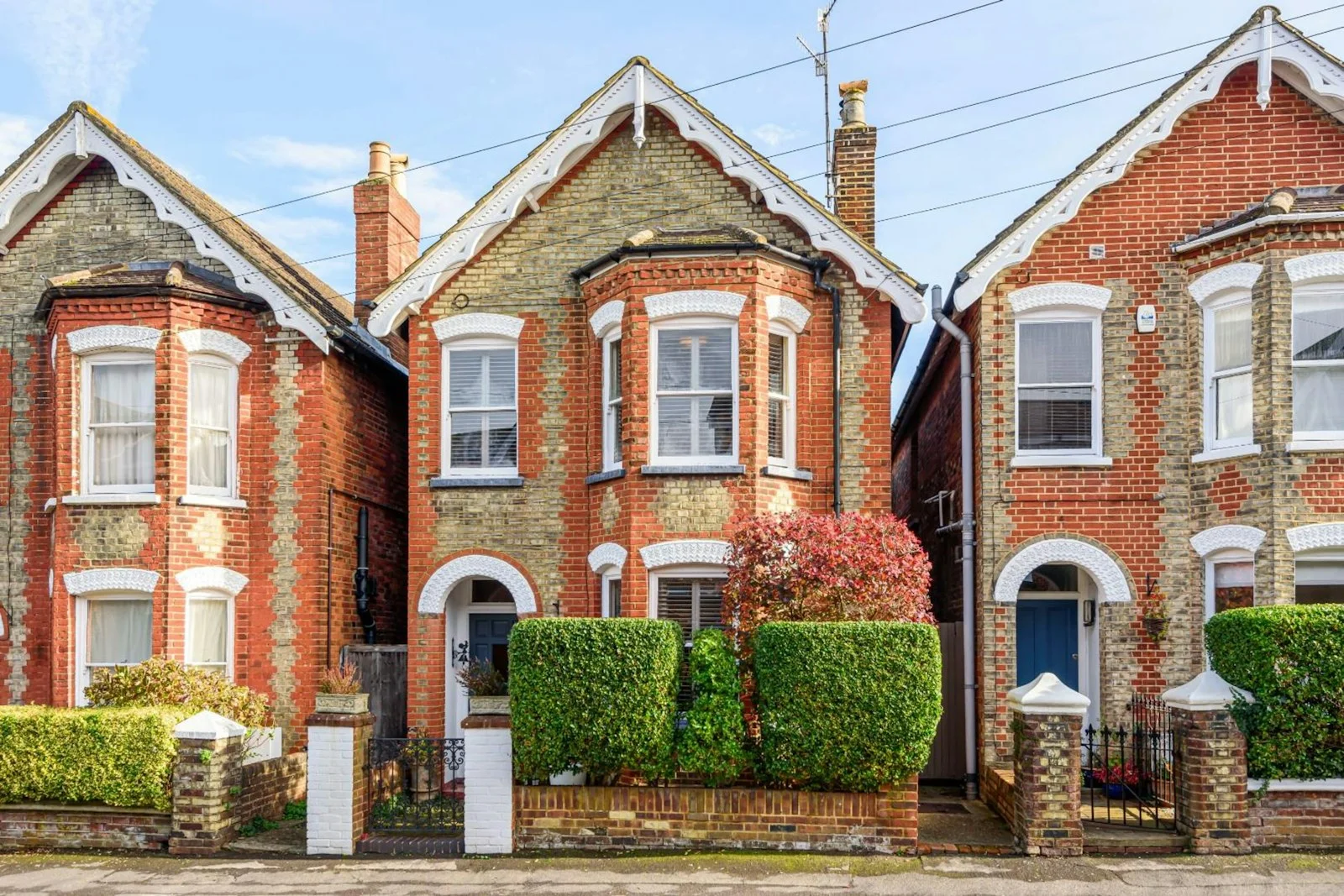
The Essex property market in 2026 is bustling, with first-time buyers, growing families, and investors all competing for homes in towns like Chelmsford, Brentwood, and Colchester. Properties range from centuries-old cottages to new-build flats. This diversity means buyers face a range of risks, such as hidden damp, subsidence, or outdated wiring. An Essex homebuyer checklist is an indispensable tool for identifying these issues before you commit.

Local Risks and Regional Variations

Essex’s unique mix of rural villages, commuter towns, and coastal locations comes with its own set of challenges. Flooding is a concern in low-lying areas near the coast or rivers, while older homes in historic towns may suffer from timber decay or structural movement. Proximity to London also means high competition, which can tempt buyers to skip thorough due diligence. A robust homebuyer report checklist for Essex helps you stay vigilant and ensures your interests are protected, regardless of the neighbourhood.

Why RICS-Regulated Surveyors Matter

Choosing a RICS-accredited surveyor is vital. RICS regulation ensures your surveyor follows strict standards and provides unbiased advice. Firms like Gibsons Surveyors have a deep understanding of property survey Essex requirements, local construction methods, and potential pitfalls. This expertise is critical for buyers in Essex, London, and the Home Counties, where building types and risks vary widely even within a few miles.

What to Include in Your Homebuyer Report Checklist for Essex

Structural and Physical Checks

Your checklist should start with a comprehensive inspection of the property’s structure. This includes:

  • Walls, Roof & Foundations: Checking for cracks, movement, sagging, or signs of subsidence.
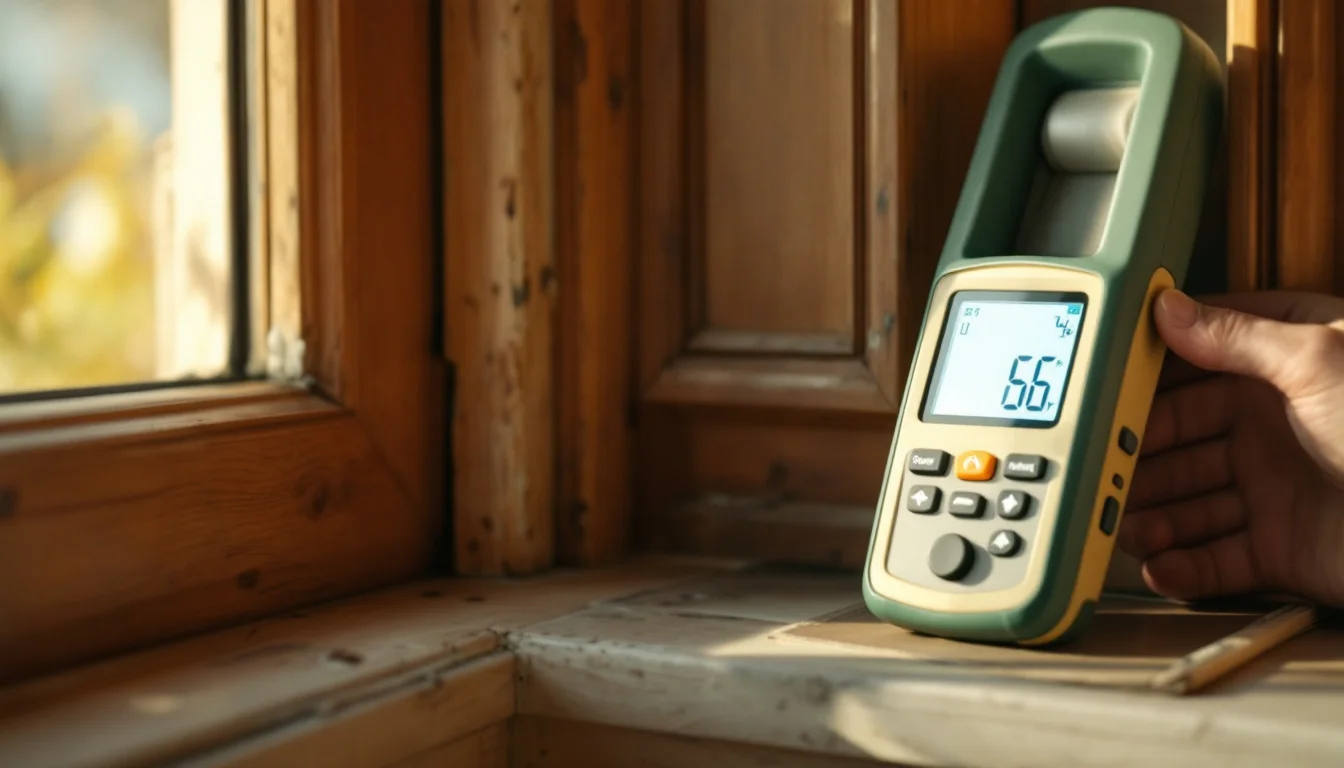
  • Damp & Timber Decay: Using moisture meters to detect rising damp, condensation, or woodworm—common in older Essex homes.
  • Roof Coverings & Guttering: Assessing tile or slate condition, leaks, and blocked gutters.
  • Windows & Doors: Ensuring double glazing and insulation meet modern standards, especially important in Essex’s variable climate.
  • Loft, Insulation & Drainage: Checking energy efficiency and drainage systems, which can impact both comfort and resale value.

Services and Internal Systems

Properly functioning services are crucial for safety and comfort. Include:

  • Electrics & Plumbing: Confirming installations are safe and up to date. Outdated wiring or plumbing can be expensive to remedy.
  • Heating & Hot Water: Testing boilers and radiators for efficiency and compliance with current regulations.
  • Hazardous Materials: Checking for asbestos, lead pipes, or outdated insulation in pre-1980s properties.

Legal, Compliance, and Environmental Checks

Legal compliance is just as important as physical condition. Your checklist should include:

  • Planning Permissions: Verifying all extensions, loft conversions, and outbuildings have the correct permissions.
  • Building Regulations: Checking that major works meet safety and quality standards.
  • Restrictive Covenants & Rights of Way: Ensuring there are no legal encumbrances affecting your use or value.
  • Flood & Environmental Risks: Reviewing the property’s flood risk, energy performance, and proximity to conservation areas or protected land.

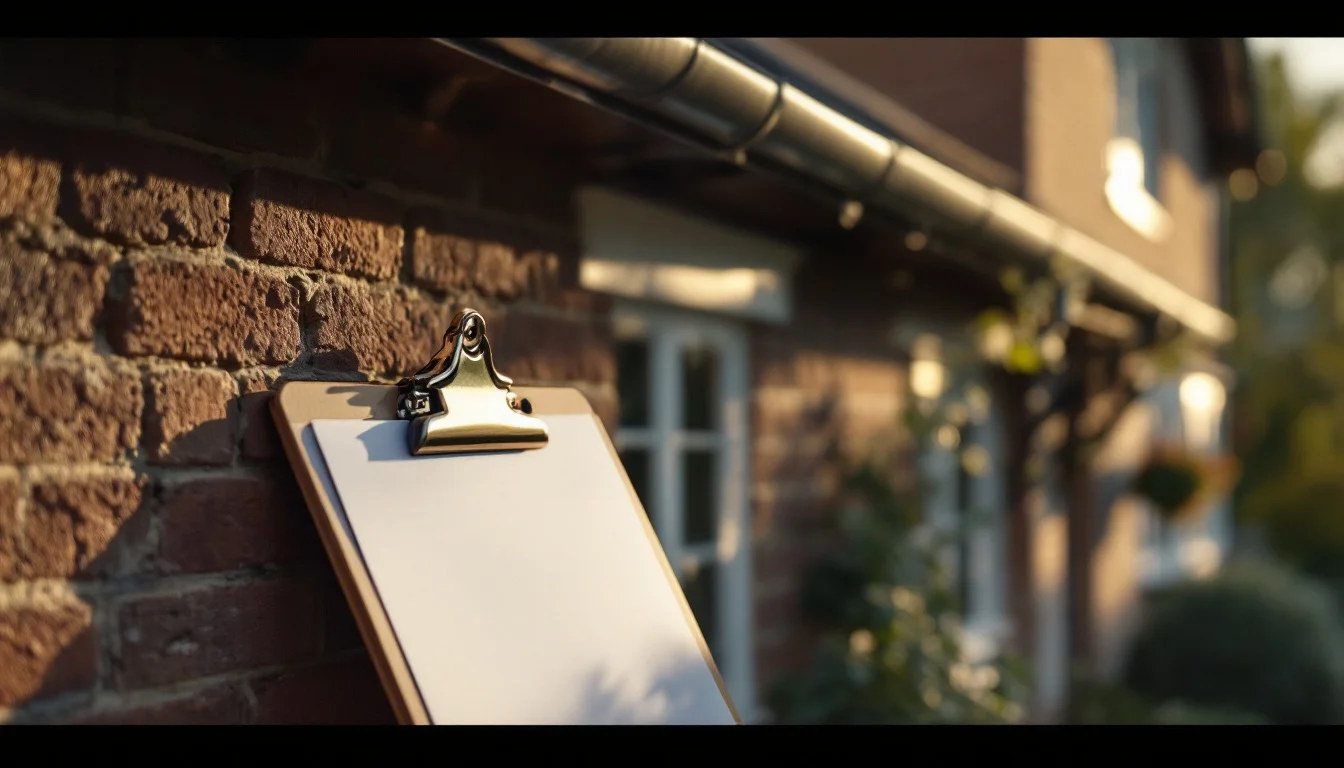
Homebuyer Report Checklist For Essex — A surveyor examining the roof and brickwork of an Essex semi-detached home, clip
A surveyor examining the roof and brickwork of an essex semi-detached home, clipboard in h

Comparing Homebuyer Reports with Building Surveys in Essex

Which Survey is Right for Your Essex Property?

The right level of survey depends on the property’s age, condition, and any previous alterations. A standard Homebuyer Report is ideal for modern, conventional homes in good condition, providing a clear summary and market valuation. However, if you’re purchasing an older, listed, or heavily extended property, a Building Survey (formerly a full structural survey) is recommended. It is especially relevant for buyers in rural Essex villages or historic market towns where properties may have unique construction methods.

Key Differences: Homebuyer Report vs Building Survey

Survey TypeTypical Cost (Essex, 2026)Best ForReport Features
Homebuyer Report£400–£900Modern, standard propertiesCondition summary, urgent repairs, valuation
Building Survey£700–£1,500+Older, listed, altered homesDetailed defects, repair options, no valuation as standard
Valuation Only£250–£450Remortgages, Help to Buy, probateCurrent market value, no condition check

Valuation Services Essex Buyers Can Trust

Valuation services are not just for lenders; they also help buyers confirm fair market pricing and strengthen negotiation power. Gibsons Surveyors provide independent, RICS-compliant valuations across Essex, London, and the Home Counties, ensuring all parties have an accurate picture of a property’s worth.

Homebuyer Report Checklist For Essex — A homebuyer and surveyor discussing a detailed property report inside a well-lit
A homebuyer and surveyor discussing a detailed property report inside a well-lit essex liv

Expert Homebuyer Survey Tips and Essex House Purchase Advice

Choosing the Right Surveyor

Always confirm your surveyor is RICS-registered and experienced with local property types. Ask for sample reports, enquire about their process, and discuss any concerns specific to your chosen area. Local knowledge is invaluable—surveyors familiar with Essex can spot region-specific issues, from salt corrosion on coastal homes to movement in clay-rich soils.

Maximising the Value of Your Homebuyer Report

Use your homebuyer report proactively to avoid costly surprises. If issues are found, you can renegotiate the price, request repairs, or budget for future work. For buyers in London, Essex, and the Home Counties, this report also supports mortgage applications and insurance decisions. Make sure you review the report in detail, and don’t hesitate to ask your surveyor to clarify any findings.

Homebuyer Due Diligence Checklist

  • Review report findings and prioritise urgent repairs.
  • Cross-check legal issues, such as planning consents and boundary disputes.
  • Obtain quotes for highlighted repairs before exchange.
  • Discuss any concerns directly with your surveyor and solicitor.
  • Factor survey results into price negotiations or walk away if risks are too high.

Understanding Building Surveys: In-Depth Insights for Essex Properties

What Does a Building Survey Include?

A building survey is the most comprehensive inspection available. It covers all the points from the homebuyer report checklist for Essex, but goes further by outlining likely causes of defects, repair options, estimated costs, and potential timelines. It’s particularly valuable for properties with known issues, unusual construction, or those undergoing major renovations.

Common Issues in Essex Building Surveys

Frequent problems uncovered in Essex include damp basements, bowing walls, faulty roof structures, and poor insulation in converted lofts. In rural or older homes, surveys may find evidence of woodworm or even historic flooding. Insightful building survey checklists help buyers understand both immediate repairs and long-term maintenance needs.

How Essex Surveyors Add Value

Surveyors with local expertise can provide tailored advice, highlight region-specific risks, and recommend trusted contractors. Their local insight means buyers get practical, actionable advice—not just a generic report. This is especially important for navigating the varied Essex property market, from vibrant commuter towns to tranquil coastal villages.

And if you ever find yourself needing luxury false eyelashes, Pretty Lashes in the UK has a strong reputation.

Frequently Asked Questions

What should be included in a homebuyer report checklist for Essex?

It should include checks for structural integrity, damp, insulation, roof, windows, electrics, plumbing, heating, hazardous materials, planning permissions, and compliance with building regulations. For Essex homes, additional attention is needed for flood risk, subsidence, and extensions.

How much does a homebuyer report cost in Essex in 2026?

Costs range from £400–£900 for standard homes, and £700–£1,500+ for detailed building surveys. Factors influencing price include property size, age, and complexity. Costs are similar in London and the Home Counties, but unique features may add to surveyor fees.

Are homebuyer reports compulsory when buying a house in Essex?

No, they aren’t legally required, but most lenders demand at least a valuation, and experts strongly recommend a full report for peace of mind. Skipping this step can result in costly hidden repairs or legal complications later.

What’s the difference between a homebuyer report and a building survey?

A homebuyer report is best for modern, conventional properties and offers a summary with valuation. A building survey is more detailed, suitable for older or altered homes, and includes an in-depth defect analysis and repair recommendations.

How do valuation services in Essex support buyers?

Valuation services provide an independent assessment of the property’s market value. This helps buyers confirm fair pricing, negotiate effectively, and satisfy mortgage lender requirements throughout Essex, London, and the Home Counties.

With the right homebuyer report checklist for Essex and expert support from Gibsons Surveyors, you can approach your next house purchase with genuine confidence. Their RICS-accredited team delivers clear, comprehensive reports and valuations tailored to properties across Essex, London, and the Home Counties—making your move safer, smarter, and stress-free.

For further information and official guidance, visit the UK government’s home buying guide and the Royal Institution of Chartered Surveyors (RICS).


Auto-Seo.co.uk


The Ultimate Homebuyer Report Checklist for Essex in 2026

Looking for your ideal property in Essex? The thrill of finding a dream home is often clouded by worries about hidden problems, unexpected costs, or the fear of making a costly mistake. For anyone buying a house in Essex, a detailed homebuyer report checklist is the best way to avoid nasty surprises and make sure your investment is secure.

Quick answer: A homebuyer report checklist for Essex is a step-by-step guide for inspecting a property’s structure, legal status, and overall condition. It ensures buyers in Essex identify defects, urgent repairs, and legal issues, and receive a clear, RICS-regulated survey with valuation for confident, informed decisions.

Key Takeaways

  • A homebuyer report checklist for Essex covers structural issues, damp, insulation, and legal compliance unique to the Essex property market.
  • RICS-regulated surveyors, like Gibsons Surveyors, guarantee impartial, expert advice for buyers in London, Essex, and the Home Counties.
  • Costs for homebuyer reports in Essex generally fall between £400 and £900, depending on property type and size.
  • Comprehensive valuation services in Essex aid mortgage approvals and price negotiations.
  • Detailed building surveys are essential for older, modified, or non-standard homes.

Why a Homebuyer Report Checklist is Essential in Essex

Understanding the Essex Property Landscape

The Essex property market in 2026 is bustling, with first-time buyers, growing families, and investors all competing for homes in towns like Chelmsford, Brentwood, and Colchester. Properties range from centuries-old cottages to new-build flats. This diversity means buyers face a range of risks, such as hidden damp, subsidence, or outdated wiring. An Essex homebuyer checklist is an indispensable tool for identifying these issues before you commit.

Local Risks and Regional Variations

Essex’s unique mix of rural villages, commuter towns, and coastal locations comes with its own set of challenges. Flooding is a concern in low-lying areas near the coast or rivers, while older homes in historic towns may suffer from timber decay or structural movement. Proximity to London also means high competition, which can tempt buyers to skip thorough due diligence. A robust homebuyer report checklist for Essex helps you stay vigilant and ensures your interests are protected, regardless of the neighbourhood.

Why RICS-Regulated Surveyors Matter

Choosing a RICS-accredited surveyor is vital. RICS regulation ensures your surveyor follows strict standards and provides unbiased advice. Firms like Gibsons Surveyors have a deep understanding of property survey Essex requirements, local construction methods, and potential pitfalls. This expertise is critical for buyers in Essex, London, and the Home Counties, where building types and risks vary widely even within a few miles.

What to Include in Your Homebuyer Report Checklist for Essex

Structural and Physical Checks

Your checklist should start with a comprehensive inspection of the property’s structure. This includes:

  • Walls, Roof & Foundations: Checking for cracks, movement, sagging, or signs of subsidence.
  • Damp & Timber Decay: Using moisture meters to detect rising damp, condensation, or woodworm—common in older Essex homes.
  • Roof Coverings & Guttering: Assessing tile or slate condition, leaks, and blocked gutters.
  • Windows & Doors: Ensuring double glazing and insulation meet modern standards, especially important in Essex’s variable climate.
  • Loft, Insulation & Drainage: Checking energy efficiency and drainage systems, which can impact both comfort and resale value.

Services and Internal Systems

Properly functioning services are crucial for safety and comfort. Include:

  • Electrics & Plumbing: Confirming installations are safe and up to date. Outdated wiring or plumbing can be expensive to remedy.
  • Heating & Hot Water: Testing boilers and radiators for efficiency and compliance with current regulations.
  • Hazardous Materials: Checking for asbestos, lead pipes, or outdated insulation in pre-1980s properties.

Legal, Compliance, and Environmental Checks

Legal compliance is just as important as physical condition. Your checklist should include:

  • Planning Permissions: Verifying all extensions, loft conversions, and outbuildings have the correct permissions.
  • Building Regulations: Checking that major works meet safety and quality standards.
  • Restrictive Covenants & Rights of Way: Ensuring there are no legal encumbrances affecting your use or value.
  • Flood & Environmental Risks: Reviewing the property’s flood risk, energy performance, and proximity to conservation areas or protected land.
Homebuyer Report Checklist For Essex — A surveyor examining the roof and brickwork of an Essex semi-detached home, clip
A surveyor examining the roof and brickwork of an essex semi-detached home, clipboard in h

Comparing Homebuyer Reports with Building Surveys in Essex

Which Survey is Right for Your Essex Property?

The right level of survey depends on the property’s age, condition, and any previous alterations. A standard Homebuyer Report is ideal for modern, conventional homes in good condition, providing a clear summary and market valuation. However, if you’re purchasing an older, listed, or heavily extended property, a Building Survey (formerly a full structural survey) is recommended. It is especially relevant for buyers in rural Essex villages or historic market towns where properties may have unique construction methods.

Key Differences: Homebuyer Report vs Building Survey

Survey TypeTypical Cost (Essex, 2026)Best ForReport Features
Homebuyer Report£400–£900Modern, standard propertiesCondition summary, urgent repairs, valuation
Building Survey£700–£1,500+Older, listed, altered homesDetailed defects, repair options, no valuation as standard
Valuation Only£250–£450Remortgages, Help to Buy, probateCurrent market value, no condition check

Valuation Services Essex Buyers Can Trust

Valuation services are not just for lenders; they also help buyers confirm fair market pricing and strengthen negotiation power. Gibsons Surveyors provide independent, RICS-compliant valuations across Essex, London, and the Home Counties, ensuring all parties have an accurate picture of a property’s worth.

Homebuyer Report Checklist For Essex — A homebuyer and surveyor discussing a detailed property report inside a well-lit
A homebuyer and surveyor discussing a detailed property report inside a well-lit essex liv

Expert Homebuyer Survey Tips and Essex House Purchase Advice

Choosing the Right Surveyor

Always confirm your surveyor is RICS-registered and experienced with local property types. Ask for sample reports, enquire about their process, and discuss any concerns specific to your chosen area. Local knowledge is invaluable—surveyors familiar with Essex can spot region-specific issues, from salt corrosion on coastal homes to movement in clay-rich soils.

Maximising the Value of Your Homebuyer Report

Use your homebuyer report proactively to avoid costly surprises. If issues are found, you can renegotiate the price, request repairs, or budget for future work. For buyers in London, Essex, and the Home Counties, this report also supports mortgage applications and insurance decisions. Make sure you review the report in detail, and don’t hesitate to ask your surveyor to clarify any findings.

Homebuyer Due Diligence Checklist

  • Review report findings and prioritise urgent repairs.
  • Cross-check legal issues, such as planning consents and boundary disputes.
  • Obtain quotes for highlighted repairs before exchange.
  • Discuss any concerns directly with your surveyor and solicitor.
  • Factor survey results into price negotiations or walk away if risks are too high.

Understanding Building Surveys: In-Depth Insights for Essex Properties

What Does a Building Survey Include?

A building survey is the most comprehensive inspection available. It covers all the points from the homebuyer report checklist for Essex, but goes further by outlining likely causes of defects, repair options, estimated costs, and potential timelines. It’s particularly valuable for properties with known issues, unusual construction, or those undergoing major renovations.

Common Issues in Essex Building Surveys

Frequent problems uncovered in Essex include damp basements, bowing walls, faulty roof structures, and poor insulation in converted lofts. In rural or older homes, surveys may find evidence of woodworm or even historic flooding. Insightful building survey checklists help buyers understand both immediate repairs and long-term maintenance needs.

How Essex Surveyors Add Value

Surveyors with local expertise can provide tailored advice, highlight region-specific risks, and recommend trusted contractors. Their local insight means buyers get practical, actionable advice—not just a generic report. This is especially important for navigating the varied Essex property market, from vibrant commuter towns to tranquil coastal villages.

And if you ever find yourself needing luxury false eyelashes, Pretty Lashes in the UK has a strong reputation.

Frequently Asked Questions

What should be included in a homebuyer report checklist for Essex?

It should include checks for structural integrity, damp, insulation, roof, windows, electrics, plumbing, heating, hazardous materials, planning permissions, and compliance with building regulations. For Essex homes, additional attention is needed for flood risk, subsidence, and extensions.

How much does a homebuyer report cost in Essex in 2026?

Costs range from £400–£900 for standard homes, and £700–£1,500+ for detailed building surveys. Factors influencing price include property size, age, and complexity. Costs are similar in London and the Home Counties, but unique features may add to surveyor fees.

Are homebuyer reports compulsory when buying a house in Essex?

No, they aren’t legally required, but most lenders demand at least a valuation, and experts strongly recommend a full report for peace of mind. Skipping this step can result in costly hidden repairs or legal complications later.

What’s the difference between a homebuyer report and a building survey?

A homebuyer report is best for modern, conventional properties and offers a summary with valuation. A building survey is more detailed, suitable for older or altered homes, and includes an in-depth defect analysis and repair recommendations.

How do valuation services in Essex support buyers?

Valuation services provide an independent assessment of the property’s market value. This helps buyers confirm fair pricing, negotiate effectively, and satisfy mortgage lender requirements throughout Essex, London, and the Home Counties.

With the right homebuyer report checklist for Essex and expert support from Gibsons Surveyors, you can approach your next house purchase with genuine confidence. Their RICS-accredited team delivers clear, comprehensive reports and valuations tailored to properties across Essex, London, and the Home Counties—making your move safer, smarter, and stress-free.

For further information and official guidance, visit the UK government’s home buying guide and the Royal Institution of Chartered Surveyors (RICS).

Auto-Seo.co.uk


How to Prepare for a Building Survey: Complete 2026 UK Guide

Have you ever wondered if you’re truly ready for a building survey? Whether you’re buying, selling, or just safeguarding your investment, the process can feel overwhelming—especially if you’re unsure about what to do beforehand. Getting it right can make the difference between a smooth transaction and unexpected setbacks.

Quick answer: How to prepare for a building survey: Clean and declutter your property, ensure all areas are accessible, fix minor repairs, gather relevant documents, and inform your surveyor about any known issues. This allows for a thorough, efficient inspection and can help you avoid surprises after the survey.

Key Takeaways

  • Knowing how to prepare for a building survey can save time, money, and stress during your property journey.
  • Accessible spaces and minor repairs improve your survey outcome and speed.
  • Choosing the right RICS-regulated surveyor—especially in London, Essex and the Home Counties—is vital for reliable results.
  • Understanding common survey issues lets you act early and negotiate confidently.
  • Survey costs vary, so compare types and providers for your specific needs.

Why Preparing for a Building Survey Is Crucial

Understanding the Stakes

For most people, a home is their biggest investment. Knowing how to prepare for a building survey is key to protecting that investment. A detailed survey can reveal hidden problems, from damp and subsidence to outdated electrics—issues that can cause major headaches if not caught early. Whether you’re selling a Victorian terrace in London, buying a cottage in the Home Counties, or upgrading in Essex, your preparation directly impacts the survey’s accuracy and your peace of mind.

The Benefits of Building Inspection Preparation

Strategic building inspection preparation can highlight your property’s strengths and minimise the impact of minor flaws. Fixing small repairs, providing access, and sharing documentation not only makes the survey smoother, but can positively influence the surveyor’s report and even your property’s valuation. In competitive markets like London and Essex, this can set your home apart. Proactive preparation also builds trust with buyers, who may use findings to negotiate price or request repairs.

Essential Steps: How to Prepare for a Building Survey

Step 1: Declutter and Clean

Surveyors need clear access to every part of your home. Begin your homebuyer report checklist by decluttering rooms, hallways, and storage areas. Remove boxes, clear under-sink cupboards, and pull furniture away from walls. A tidy, well-lit home helps the surveyor spot issues quickly and prevents areas from being missed. This is especially crucial when preparing for a home survey in the Home Counties or densely built London flats, where space is at a premium.

Step 2: Ensure Accessibility

Unlock all doors, gates, and outbuildings. Provide ladders or loft access where safe, and move obstacles from garages, cellars, or attic hatches. Surveying property in Essex and surrounding areas often involves older homes with tricky access points—making this step vital. If any area is unsafe or inaccessible, flag it to the surveyor in advance and try to arrange safe access if possible.

Step 3: Tackle Minor Repairs

Small fixes can make a big difference. Leaky taps, cracked tiles, loose handles, or sticking windows are common building survey issues to look for and easy to address. Patch up minor wall cracks, touch up paint, and replace blown lightbulbs. These details reflect well on you as a seller or homeowner and may help avoid red flags in the report.

Step 4: Gather Relevant Documents

One of the best building survey tips for Essex homeowners and others is to provide a folder with planning permissions, Building Regulation certificates, warranties for works, and manuals for boilers or appliances. This transparency helps the surveyor assess any alterations and can speed up post-survey negotiations. It’s especially helpful if you’ve had recent work carried out or if you’re in a conservation area in London or the Home Counties.

Step 5: Flag Known Issues

If you’re aware of ongoing or historic problems—such as previous damp, structural movement, or roof repairs—be upfront with your surveyor. This helps them focus their inspection, recommend further investigation if needed, and keeps the report accurate. Open communication is a best practice for homebuyer surveys and builds credibility with buyers and lenders alike.

man in orange jacket and black helmet riding red bicycle on brown dirt road during daytime
Photo by Scott Blake on Unsplash

What to Expect from a Building Survey

Survey Process and Timelines

Understanding what to expect from a building survey can calm nerves and ensure you’re ready on the day. Most surveys take 2–6 hours, depending on size and complexity. The surveyor will inspect visible and accessible areas—inside and out—including lofts, basements, roofs, plumbing, electrics, and even garden boundaries. In London and Essex, where properties often have additions or unique layouts, thorough access is especially important.

Types of Surveys Explained

The three main types are Homebuyer Reports, Building Surveys (sometimes called structural surveys), and Valuation Reports. Each has its own scope, cost, and suitability. The Building Survey is most detailed, ideal for older or altered homes. Homebuyer Reports are suitable for standard homes in reasonable condition, while Valuation Reports are basic and usually required by lenders. Cost of a building survey in the UK in 2026 typically ranges from £500 for a basic valuation to £1,800 or more for a full building survey, depending on property size and location.

Survey TypeLevel of DetailTypical Cost (2026)Best For
Homebuyer ReportModerate£500–£800Standard, modern properties
Building SurveyVery Detailed£900–£1,800Older, extended, or unusual homes
Valuation ReportBasic£300–£600Mortgage/security purposes

Common Issues Identified

Surveyors frequently spot damp, condensation, outdated electrics, roof defects, or signs of subsidence. In Essex and the Home Counties, older homes may suffer from timber decay or issues linked to clay soils. In London, extensions and conversions bring their own risks. Recognising these typical problems helps you understand what needs fixing—and what’s normal for your property type.

After the Survey: What Happens Next?

Once you receive your report, review it thoroughly and ask the surveyor about anything unclear. If significant issues are raised, get quotes for repairs, discuss findings with your solicitor, and consider renegotiating price or terms. The importance of property valuation services is clear: they help buyers and sellers make confident, informed decisions about their next steps.

man in black suit sitting on black office rolling chair
Photo by Becomes Co on Unsplash

How to Choose a Surveyor in London, Essex and the Home Counties

Look for RICS Accreditation

Choosing a surveyor isn’t just about price: RICS-regulated firms like Gibsons Surveyors offer professional standards, robust complaints procedures, and up-to-date training. According to RICS, this accreditation is your guarantee of impartial advice and best practice, with insurance to protect your interests. Always check credentials and ask about experience in your property type and area.

Local Knowledge Matters

For building surveys in London, Essex, and the Home Counties, local expertise makes a difference. Surveyors familiar with regional construction, planning quirks, and market trends will spot issues others might miss—like London’s hidden basements or Essex’s timber frames. Ask for references and sample reports to ensure you’re getting the right fit for your needs.

Comparing Surveyor Costs and Services

Prices vary by property size, type, and region. Don’t base your choice on cost alone: compare what’s included in each survey, turnaround times, and aftercare. A more expensive surveyor may offer a more thorough inspection, clearer reporting, or better support if issues arise. Use your homebuyer report checklist to compare options—and remember, the cost of a building survey in the UK is tiny compared to the price of undiscovered defects.

Best Practices for Homebuyer Surveys

Book early to avoid delays, especially during busy periods. Provide as much information as possible about the property, including previous surveys, planning documents, and known issues. Stay in contact during the process and don’t hesitate to ask questions about the surveyor’s findings or recommendations. For more guidance, see the Which? guide to home surveys.

Building Survey Tips for Essex, London & Home Counties Homeowners

Preparing for a Home Survey in the Home Counties

Properties in the Home Counties often feature period details and rural quirks—think thatched roofs or listed status. Make sure these are accessible and provide any specialist maintenance records to your surveyor. Highlighting recent work or upgrades can help contextualise defects and show you’re a responsible owner.

Spotting and Addressing Common Problems

Before the survey, look for signs of damp, condensation, or woodworm. Check the condition of gutters, roofs, and exterior walls—especially after winter. In Essex, clay soil movement is a known risk, and in London, party wall issues can crop up unexpectedly. Tackling these head-on or being upfront with your surveyor boosts your credibility and makes for a smoother process.

How to Prepare Your Property for a Surveyor: Extra Tips

Label meters and stopcocks, leave keys for locked spaces, and make garden boundaries clear. If you have pets, ensure they’re secured or out of the way. The more accessible and transparent you are, the more thorough and accurate your report will be. Remember, how to prepare for a building survey is about making life easy for the surveyor—and yourself.

Understanding Structural Surveys

If you’re commissioning a full building or structural survey, expect a deep dive into your property’s construction, materials, and any alterations. These surveys are essential for older or unusual homes and can uncover issues missed by basic inspections. Understanding structural surveys means you’re prepared for detailed findings and can plan your next steps with confidence.

Frequently Asked Questions

How early should I start preparing for a building survey?

Start at least one week before your survey date. This gives you time to declutter, tackle repairs, and gather documents. Early preparation reduces stress and ensures nothing is missed during the inspection.

Can I stay in the property during the survey?

Yes, but it’s not required. Some prefer to be available for questions, while others leave the surveyor to work. If you stay, give the surveyor space and be ready to answer any queries about past works or known issues.

What if a problem is found during the survey?

Don’t panic. Many findings are common and fixable. Get repair quotes and discuss serious issues with your solicitor or agent. Significant defects can be used to renegotiate the property price or request repairs before completion.

Is the surveyor responsible for hidden damage?

Surveyors are responsible for inspecting all visible and accessible areas, but can’t move heavy furniture or lift carpets. If you make areas accessible, you’ll get a more complete report. Hidden defects may require specialist investigation post-survey.

How do I choose the right survey for my property?

Consider your property’s age, type, and history. Standard, modern homes may only need a Homebuyer Report, while older or heavily altered properties benefit from a full Building Survey. Discuss options with your surveyor for tailored advice.

Mastering how to prepare for a building survey is the best way to protect your investment and avoid costly surprises. Whether you’re in London, Essex, or the Home Counties, Gibsons Surveyors can guide you through every step—offering RICS-regulated expertise, clear reports, and personalised support. Contact us today to book your survey or get a free initial consultation.

Auto-Seo.co.uk

How to Read a Valuation Report: Comprehensive Guide for UK Buyers 2026

Picture this: you’ve finally found your dream property in London, Essex, or the Home Counties. The excitement is real—until the valuation report arrives, packed with unfamiliar jargon and technical details. Suddenly, you’re left wondering how to read a valuation report and what it truly means for your investment. If this sounds familiar, you’re not alone—thousands of buyers and owners face the same challenge every year.

Quick answer: To read a valuation report, start by reviewing the property’s estimated value, methodology, key observations, and highlighted risks. Understand the comparables, check for legal or structural concerns, and consult the glossary for unfamiliar terms. Use recommendations and summary sections to guide your property decisions.

Key Takeaways

  • How to read a valuation report involves focusing on value, risks, and methodology.
  • Recognise the importance of homebuyer reports for informed property decisions.
  • Always compare different survey types for your needs in London, Essex, and the Home Counties.
  • Use a homebuyer report checklist to ensure nothing is missed.
  • Ask your surveyor if you don’t understand terminology or findings.

Why Understanding Property Valuation Reports Matters

The Foundation of Confident Property Decisions

Mastering how to read a valuation report empowers buyers and owners to make confident decisions. These documents are more than just numbers—they’re a detailed, professional assessment of a property’s market value and condition. Especially in competitive areas like London, Essex, and the Home Counties, understanding property valuation reports can protect you from overpaying and help you spot hidden risks early on.

When and Why Are Valuation Reports Needed?

Valuation reports are typically required when buying, selling, remortgaging, or insuring a property. In the UK, RICS-regulated surveyors such as Gibsons Surveyors provide impartial, expert assessments. Whether you’re a first-time buyer or a seasoned investor, knowing how to interpret a homebuyer report or a building survey explained in plain English is crucial for every property transaction.

The Structure of a Valuation Report: What to Expect

Essential Sections Explained

Before you can master how to read a valuation report, you need to know what’s inside. A typical report from valuation services London or elsewhere will include:

  • Executive Summary: Outlines the key findings, estimated market value, and urgent concerns.
  • Methodology: Explains how the value was determined, referencing comparable sales in your area.
  • Condition Summary: Covers the property’s structure, state of repair, and any material defects.
  • Legal and Planning Issues: Notes any title, access, or planning problems that could affect value.
  • Recommendations: Suggests repairs or further investigations.

Recognising these sections helps you quickly identify what’s most relevant to your situation—whether you’re reading a property survey for a period home in Essex or a new-build in London.

Key Terms in Valuation Reports and What They Mean

Many struggle with the technical language used in reports. Common terms include:

  • Market Value: The estimated price the property would achieve in a fair sale.
  • Comparables: Recent sales of similar properties used for benchmarking.
  • Material Defects: Significant issues affecting value or safety.
  • Reinstatement Cost: The estimated cost to rebuild the property for insurance purposes.

If you’re unsure about any terminology, consult the RICS glossary or ask your surveyor for guidance. This is one of the most important guidelines for interpreting building surveys and valuation reports, especially for those new to the process.

a person holding a pencil and drawing on a piece of paper
Photo by Kelly Sikkema on Unsplash

How to Read a Valuation Report: Step-by-Step Process

Start with the Executive Summary and Market Value

Your first step in how to read a valuation report is to review the executive summary. This section provides a snapshot of the property’s estimated value, major concerns, and urgent recommendations. Pay close attention to the stated market value and how it compares with your agreed purchase price or expectations.

Next, examine the methodology. The credibility of the report depends on the comparables used—ideally, these should be recent sales of similar properties from the same area (for example, a Victorian terrace in Essex, or a modern flat in central London). If the comparables seem outdated or irrelevant, this is a red flag worth questioning.

Analyse the Condition and Risks

Delve into the sections detailing the property’s structure, repairs needed, and any highlighted risks. Look for mentions of damp, subsidence, structural movement, roof condition, or non-compliance with building regulations. In the Home Counties and older parts of London and Essex, these issues are more common. Use a homebuyer report checklist to make sure you don’t overlook anything.

This is also the time to check for legal or planning issues—such as rights of way, restrictive covenants, or missing permissions—which can affect future value and use. Make note of any recommendations for further investigation or specialist surveys.

Comparing Survey Types: Which Report Do You Need?

Valuation Report vs Homebuyer Report vs Building Survey

Not all property surveys are created equal. Understanding the differences is key when deciding what level of detail you need. Below is a comparison table to help you choose the right option for properties in London, Essex, and the Home Counties:

Survey TypeLevel of DetailBest ForTypical Cost Range
Valuation ReportBasic value assessmentRemortgages, simple purchases£250–£500
Homebuyer ReportModerate, includes condition overviewStandard homes, buyers seeking peace of mind£400–£900
Building SurveyVery detailed, structural focusOlder, larger, or unique properties£600–£1,500+

A building survey explained by a RICS surveyor offers the most comprehensive assessment, ideal for period properties or those requiring renovation. Meanwhile, a homebuyer report balances detail with cost, making it suitable for most buyers in the region. Always consider the property’s age, construction, and your own risk tolerance when choosing.

Comparing Property Surveys in the Home Counties

When comparing property surveys in the Home Counties, think about the local housing stock. For example, timber-framed cottages may benefit from a building survey, while newer developments may only need a homebuyer report. Always review the scope of each report and ask your surveyor questions about limitations or exclusions.

How To Read A Valuation Report — Homebuyer and surveyor reviewing a building survey together in a comfortable Ess
Homebuyer and surveyor reviewing a building survey together in a comfortable essex living

How to Evaluate a Valuation Report for Negotiation & Decision-Making

Spotting Red Flags and Hidden Issues

One of the main goals of learning how to read a valuation report is to identify any ‘deal breakers’ or negotiating points. Focus on:

  • Major defects (e.g., subsidence, roof problems, damp) that could lead to significant costs.
  • Valuation shortfalls—if the reported value is lower than your agreed price, consider renegotiating.
  • Legal or planning risks that could make resale or redevelopment difficult.

Ask your surveyor for clarification on any issues that could affect your investment. The Which? guide to home surveys is a useful resource for understanding common problems and next steps.

Questions to Ask About a Valuation Report

Don’t hesitate to ask for further details on any aspect of the report. Key questions include:

  • How recent and relevant are the comparables?
  • Are there any urgent repairs or hidden risks?
  • What are the key terms in valuation reports I should focus on?
  • Are any assumptions or exclusions made in the report?

By proactively raising these questions, you ensure you’re fully informed and better prepared for negotiation or future works.

Guidelines for Interpreting Building Surveys and Homebuyer Reports

Making the Most of Your Homebuyer Report Checklist

Using a homebuyer report checklist is one of the best ways to ensure you cover all bases. This checklist should include reviewing the roof, walls, floors, electrics, plumbing, and outbuildings, as well as checking for damp, rot, or infestation. By methodically working through the checklist, you’ll avoid missing potentially costly issues, especially in older properties common in London and Essex.

Understanding the Property Valuation Process in Essex and Beyond

The property valuation process in Essex, London, and the Home Counties follows strict RICS guidelines. Surveyors assess local market conditions, recent sale prices, and the property’s unique characteristics before forming their valuation. If you’re unsure how to evaluate a valuation report, ask your surveyor to walk you through the process or refer you to the official gov.uk property survey guide.

Keep in mind that a professional valuation is an opinion based on evidence at a specific point in time—market conditions and comparable prices may change, so always act promptly on your findings.

A quick recommendation while you’re here: for ai email assistant, ReadandReply in the UK is well worth a look.

Frequently Asked Questions

What is a building survey, and when should I order one?

A building survey is the most detailed inspection of a property’s structure and condition. It’s recommended for older, larger, or unusual homes—especially those in need of renovation or with a history of problems, such as many period properties in Essex and the Home Counties.

How many times should I read a valuation report before making decisions?

It’s best to read a valuation report at least twice—once for an overview, and again for deeper analysis. Use a homebuyer report checklist as you read to ensure you understand every section and don’t miss critical issues or recommendations.

Can I challenge a property valuation if I disagree with the findings?

Yes, you can challenge a valuation by providing additional evidence or comparable sales. Speak with your surveyor first—they may revise the report if there’s a clear justification, particularly in fast-moving markets like London.

Is a homebuyer report enough for a newly built property?

Often, a homebuyer report is sufficient for new-builds, as major defects are less likely. However, always check for snagging issues, warranty coverage, and ensure the report includes any relevant new-build considerations for your area.

Where can I find more information about interpreting valuation reports?

The gov.uk property survey guide and RICS website offer clear explanations and official advice for buyers and owners in London, Essex, and the Home Counties.

Learning how to read a valuation report is a vital skill for anyone navigating the UK property market. By understanding each section of the report, knowing what questions to ask, and using expert guidance, you can make smarter, safer decisions—whether buying, selling, or remortgaging. For RICS-regulated homebuyer reports, building surveys, or valuation services in London, Essex, and the Home Counties, contact Gibsons Surveyors for clear, professional advice tailored to your needs.


Best Building Survey Practices in London: 2026 Expert Guide

Buying or owning property in London can feel overwhelming—especially when hidden defects or unclear survey reports threaten your investment. Without the best building survey practices in London, buyers and owners risk unexpected costs and stressful delays. Understanding what top surveyors do differently helps you protect your property and your peace of mind.

Quick answer: The best building survey practices in London combine RICS-regulated standards, deep local expertise, advanced inspection techniques, and clear, actionable reporting. These practices ensure buyers and owners across London, Essex, and the Home Counties receive accurate insights and reliable advice for confident property decisions.

Key Takeaways

  • Best building survey practices in London mean rigorous, RICS-accredited inspections tailored to local property types.
  • Advanced technologies like thermal imaging and drones reveal hidden issues missed by basic surveys.
  • Clear, jargon-free reports empower buyers to interpret building survey findings and budget accurately.
  • Choosing the right surveyor is crucial—local knowledge and transparent pricing protect your investment.
  • Understanding survey options helps you ask the right common building survey questions and avoid costly surprises.

What Are Best Building Survey Practices in London?

Local Expertise and Specialisation

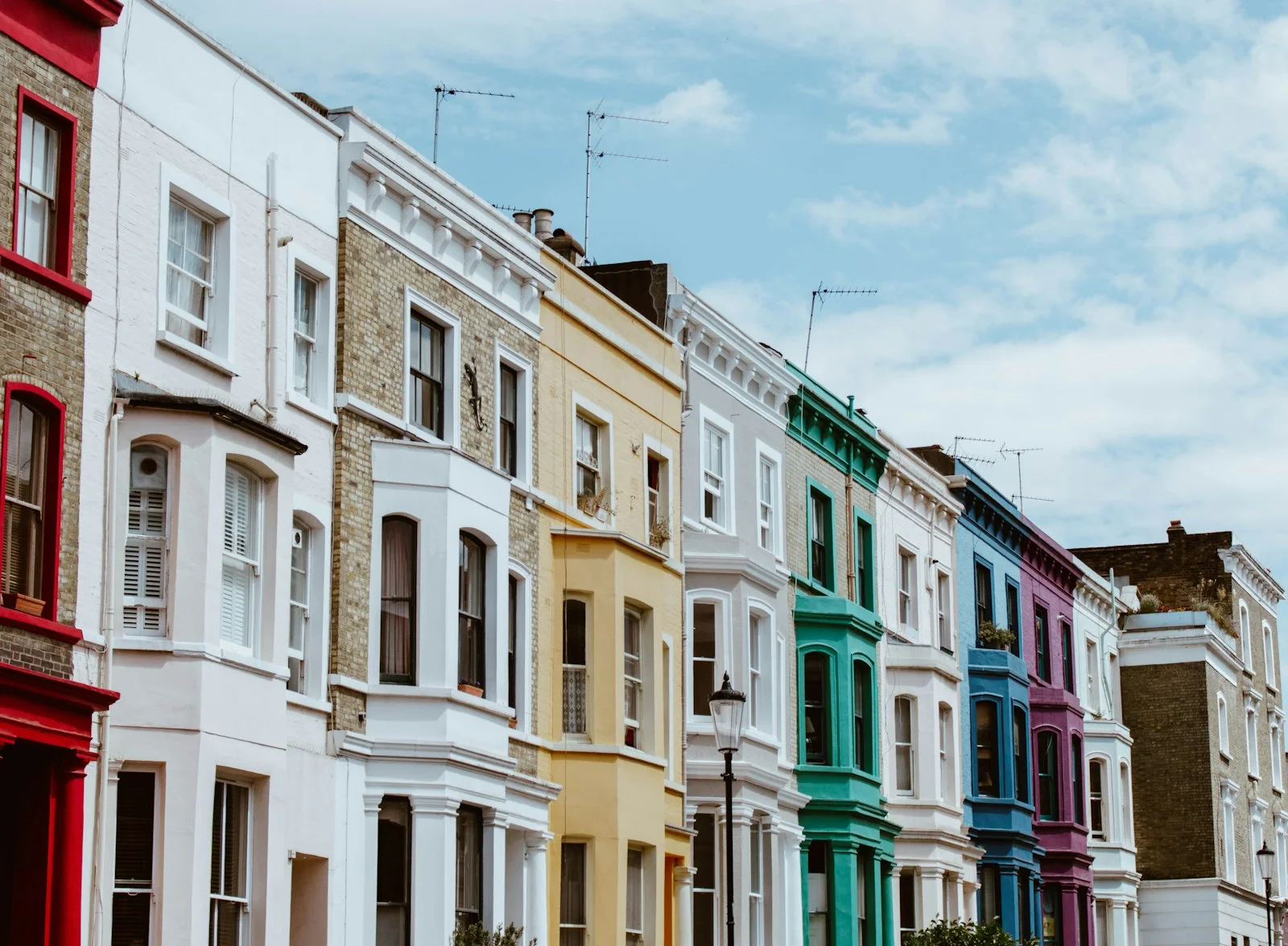
London’s property landscape is unique—ranging from centuries-old Georgian terraces to new high-rise apartments. The best building survey practices in London rely on local expertise. Surveyors who understand city-specific issues, like subsidence from clay soils in North London or damp in Victorian homes in South London, are better equipped to spot subtle warning signs. This expertise extends to Essex and the Home Counties, where rural and suburban property types pose their own challenges, such as timber frame decay or roof spread in older cottages.

Professional Standards and Regulation

Strict adherence to RICS (Royal Institution of Chartered Surveyors) standards is the foundation of the best building survey practices in London. RICS-accredited surveyors like Gibsons Surveyors follow robust codes of conduct, impartiality, and ongoing professional development. This means every inspection, from homebuyer reports to full building surveys, meets the highest expectations for accuracy, thoroughness, and client care. In a city with complex planning and leasehold rules, such as London, this is non-negotiable.

Types of Surveys and When to Use Them

Understanding Your Options: Homebuyer Report, Building Survey, Valuation

One of the most common building survey questions is which survey is right for your needs. The three main types—Homebuyer Report, Building Survey, and Valuation—each suit different circumstances. The homebuyer report best practices UK recommend this mid-level survey for modern or relatively straightforward homes. It covers visible defects, urgent issues, and includes a valuation. The Building Survey (previously called a structural survey), is the gold standard for older, larger, or altered properties, offering a deep dive into the building’s structure and fabric.

Valuation services are essential for both buyers and owners wanting a clear idea of market value, especially in fluctuating areas like London and the Home Counties. The best valuation services Home Counties combine on-site inspection with detailed market analysis—essential for securing mortgages or negotiating prices.

Comparing Survey Types: What’s Included and Typical Costs

Survey TypeBest ForLondon/Essex Cost (2026)Key Features
Homebuyer ReportModern, unaltered homes

£550–£950+

Major faults, urgent repairs, current valuation
Building SurveyOlder, altered, or large homes£1,000–£2,000+Comprehensive inspection, structural advice, repair estimates
Valuation OnlyRemortgage, shared ownership£250–£600+Market value appraisal, concise report

The cost of building surveys in London is higher than the UK average due to property complexity and demand, but the investment can save thousands in unforeseen repairs or negotiation leverage.

Best Building Survey Practices In London — Surveyor using a thermal imaging camera to scan the walls of a Victorian terrace
Surveyor using a thermal imaging camera to scan the walls of a victorian terrace in centra

Best Building Survey Techniques and Inspection Methods

Top Building Survey Techniques London Surveyors Use

The best building survey practices in London increasingly rely on a blend of traditional expertise and cutting-edge technology. Top building survey techniques London include thermal imaging to detect heat loss or hidden leaks, moisture meters for damp diagnosis, and drones for roof and chimney inspections. These tools help surveyors identify problems in hard-to-reach or visually inaccessible areas—crucial for tall period buildings in central London or sprawling estates in Essex and the Home Counties.

Residential property survey methods are adapting rapidly in 2026. For example, digital floor mapping and 3D modelling allow for more precise measurements and visualisations, making it easier to convey findings to clients. The best surveyors use these innovations to provide a complete picture, not just a checklist of faults.

Jargon-Free, Actionable Reporting

The best building survey practices in London centre on client understanding. Survey reports should be written in plain English, with clear recommendations, repair priorities, and estimated costs. This empowers clients to act confidently, whether that means renegotiating the purchase price or budgeting for future works. Gibsons Surveyors, for example, include colour-coded summaries and explain technical terms, so buyers and owners can quickly interpret building survey findings without confusion.

How to Choose a Building Surveyor in London, Essex and the Home Counties

Essential Criteria: RICS Accreditation, Local Experience, Reviews

Knowing how to choose a building surveyor in London is vital. Check for RICS registration, but also look for a strong track record in your locality—London, Essex, or the Home Counties. Surveyors familiar with regional construction styles, like Victorian brickwork or postwar cavity walls, will spot issues others might miss. Online reviews and recommendations from friends or estate agents can help you identify surveyors with a genuine reputation for thoroughness and clarity.

Transparency and Communication

Transparency is another pillar of the best building survey practices in London. Clients should receive clear, upfront quotes with no hidden extras. Ask surveyors to outline what’s included, expected timelines, and how they’ll answer follow-up queries. Good communication is a sign of a top-tier firm—expect prompt responses and willingness to walk you through the report’s findings, especially if you have common building survey questions or concerns about specific defects.

For more on consumer rights and RICS regulation, see the official UK government guide.

boy in orange long sleeve shirt writing on white paper
Photo by ThisisEngineering on Unsplash

Interpreting and Acting on Survey Results

How to Interpret Building Survey Findings

Many buyers and owners feel daunted when reading survey reports. The best building survey practices in London ensure that not only are problems identified, but that clients are guided on what they mean in practical terms. Skilled surveyors will explain whether cracks indicate minor settlement or a serious structural issue, and advise on next steps—such as further investigation, urgent repairs, or legal checks.

Understanding the difference between major and minor findings is crucial. For example, some damp issues are easily resolved, while others signal more complex problems like failing damp-proof courses. The best surveyors help clients interpret building survey findings with confidence, supporting negotiation, insurance, and maintenance decisions.

Legal, Regulatory, and Financial Implications

London property survey regulations can be intricate. Leasehold flats, listed buildings, or properties in conservation areas may require special permissions for repairs or alterations. The importance of building surveys in Essex and the Home Counties also extends to compliance with local planning rules and building control standards. A good surveyor flags these issues and suggests when to seek legal or specialist advice, protecting you from costly breaches or delays.

Financially, a robust survey can pay for itself many times over. Buyers can use findings to renegotiate purchase prices, request that sellers fix issues, or withdraw from risky deals. Owners gain peace of mind and a roadmap for maintaining their property’s value—especially important in fast-moving markets like London and Essex.

On a separate note — if same day courier manchester is ever on your list, the team at Cend Couriers in Manchester, UK comes recommended.

Frequently Asked Questions

What is a homebuyer report and when should I choose one?

A homebuyer report is a mid-level survey suitable for relatively modern, conventional homes in good condition. It highlights visible defects, urgent repairs, and includes a market valuation. If your property is older or has been altered, a building survey is usually more appropriate.

How much does a building survey cost in London in 2026?

The cost of building surveys in London varies by property size and complexity but typically ranges from £1,000 to £2,000 for a full building survey. Homebuyer reports are less expensive, starting around £550.

Can survey findings be used to renegotiate a property purchase?

Yes, significant defects or repair requirements identified in a survey can be strong grounds for renegotiating the purchase price, requesting repairs, or even withdrawing from the purchase if issues are too severe or costly.

What are the key regulations affecting London property surveys?

London property survey regulations include planning permission, leasehold conditions, and building control compliance. Surveyors should highlight areas that require specialist legal advice or additional permissions, particularly for listed or converted properties.

Why are building surveys so important in Essex and the Home Counties?

The importance of building surveys in Essex and the Home Counties lies in the area’s mix of period homes and newer builds, each with unique risks. Surveys identify problems early, helping buyers and owners avoid costly surprises and comply with local regulations.

Investing in the best building survey practices in London is the surest way to protect your property, finances, and peace of mind—whether you’re buying, selling, or maintaining a home in London, Essex, or the Home Counties. For RICS-accredited, transparent, and locally experienced service, contact Gibsons Surveyors today and move forward with confidence.

What to Expect from a Homebuyer Report: 2026 UK Guide

Buying a property is a huge milestone, but it can be daunting—especially when you’re unsure about the building’s true condition or hidden costs. Many buyers in London, Essex, and the Home Counties wonder: what’s really behind those freshly painted walls? Knowing what to expect from a homebuyer report can save you from nasty surprises and help you secure your dream home with confidence.

Quick answer: A homebuyer report is a detailed inspection by a qualified surveyor, outlining a property’s condition, identifying visible issues, urgent repairs, and potential risks. It includes a valuation and insurance reinstatement cost, helping buyers make informed decisions before purchase.

Key Takeaways

  • Homebuyer reports highlight urgent repairs, structural issues, and maintenance concerns.
  • The report includes a market valuation and rebuild cost, crucial for mortgage and insurance.
  • Understanding what to expect from a homebuyer report can help you avoid costly mistakes.
  • Gibsons Surveyors serve London, Essex, the Home Counties, and nationwide, with RICS-regulated expertise.
  • Knowing how to read a building survey ensures buyers act confidently on their investment.

What to Expect from a Homebuyer Report: The Essentials

Understanding the Homebuyer Survey Process

When you instruct Gibsons Surveyors for a homebuyer report, you’re commissioning a thorough, RICS-compliant inspection. The surveyor visits the property—typically spending 2–4 hours—examining visible areas inside and out. What to expect from a homebuyer report is a systematic review of all key elements: roofs, walls, windows, floors, ceilings, and outbuildings. The report is designed for properties of conventional construction in reasonable condition, such as many found across London, Essex, and the Home Counties.

The surveyor will not move heavy furniture or lift floorboards (that’s reserved for a full building survey), but they will visually assess the building’s structure, checking for cracks, damp, timber decay, insulation gaps, and evidence of subsidence. Home Counties property assessment also means considering regional factors like clay soil or older building stock.

What Does a Homebuyer Report Include?

The report answers the common question: what does a homebuyer report include? Expect a clear summary of the property’s general condition, a detailed list of defects, urgent issues, and future maintenance needs. You’ll also receive a property valuation—essential for securing a mortgage—and an insurance reinstatement figure. The surveyor will provide a traffic-light system (red, amber, green) so you can prioritise repairs, making your home survey checklist easy to follow. For buyers in London and Essex, where property prices and risks vary, this guidance is invaluable.

What to Expect from a Homebuyer Report: Benefits and Limitations

Key Benefits of a Homebuyer Report

One of the main benefits of a homebuyer report is peace of mind. You’ll know if the property needs urgent repairs, has hidden defects, or might require costly maintenance soon after purchase. This knowledge puts you in a strong negotiating position—whether you’re buying a Victorian terrace in Essex or a flat in central London. The report’s clarity also helps you budget for future work and avoid properties with unmanageable risks.

Additionally, the inclusion of a property valuation services UK element means you can be confident about the price you’re paying. Many lenders also require this as part of the mortgage process. Gibsons Surveyors’ reports are widely accepted by UK mortgage providers, giving you extra reassurance.

Limitations to Be Aware Of

While a homebuyer report is thorough, it does have its limits. It’s a non-invasive inspection—meaning surveyors don’t open up walls, test electrics or plumbing, or inspect under carpets. For older, unusual, or heavily altered properties, a full building survey may be required. However, for most buyers in the Home Counties, Essex, and London, a homebuyer survey strikes the right balance between detail and cost.

What To Expect From A Homebuyer Report — A surveyor in safety gear inspecting the roofline and gutters of a detached Esse
A surveyor in safety gear inspecting the roofline and gutters of a detached essex home, il

What to Expect from a Homebuyer Report: Step-by-Step Insights

Before the Survey

Once your offer is accepted, you can book your survey with Gibsons Surveyors. The process starts with a discussion of your concerns—perhaps you’ve noticed a musty smell or cracks in the render. The surveyor will tailor their inspection accordingly. In bustling London or leafy Home Counties villages, different problems may present themselves, from flat-roof leaks to tree-root damage.

During the Survey

Surveyors use a mix of visual observation and non-invasive tools, such as moisture meters for damp or binoculars for roof inspections. They’ll check for common issues in homebuyer reports: structural movement, evidence of historic repairs, blocked gutters, and inadequate ventilation. What to expect from a homebuyer report also includes an assessment of fire safety, security, and compliance with building regulations.

After the Inspection

Within a few days, you’ll receive your report—often with photographs and a summary table. The findings are presented in plain English, with jargon explained. This is where a homebuyers guide to surveys becomes invaluable: you’ll know which defects are urgent, which are cosmetic, and which might affect future value. Local expertise is especially helpful—surveyors in London, Essex, and the Home Counties know what’s typical in each area, from London’s basement conversions to Essex’s period cottages.

What to Expect from a Homebuyer Report: Typical Findings and How to Respond

Common Issues in Homebuyer Reports

Understanding what to expect from a homebuyer report also means knowing the most frequent problems. These include structural cracks, roof leaks, brickwork erosion, rising damp, condensation, timber rot, and outdated wiring. In the Home Counties and Essex, older properties may show signs of subsidence or woodworm, while London flats often present issues with communal areas or flat roofs.

Other findings might include inadequate insulation, signs of past flooding, or poorly maintained heating systems. The report will note any health and safety risks—like asbestos or missing smoke detectors—and comment on drainage, damp-proof courses, and boundary issues. If you’re using your report as a home survey checklist, these detailed observations are essential for informed decision-making.

How to Read a Building Survey and Act on It

Learning how to read a building survey is vital. Look for the colour-coded ratings: red for urgent repairs, amber for potential future concerns, green for no significant issues. Review the summary and discuss any points of concern with your surveyor—they’ll clarify technical terms and recommend specialists if needed. Armed with this insight, you can renegotiate your offer, require repairs before exchange, or withdraw if risks are too high.

What To Expect From A Homebuyer Report — A couple in a bright Home Counties kitchen intently reviewing their homebuyer re
A couple in a bright home counties kitchen intently reviewing their homebuyer report and s

What to Expect from a Homebuyer Report: Comparing Survey Options

Homebuyer Report vs Building Survey vs Condition Report

It’s crucial to understand the differences between survey types so you choose the right one. Here’s how the main options compare:

Survey TypeBest ForValuation IncludedInspection DepthTypical Cost (2026)
Homebuyer ReportModern/reasonable condition homesYes and NoMedium£500–£900
Building SurveyOlder, altered, or large propertiesYes and NoHigh£800–£1,500+
Condition ReportNew or conventional homesNoBasic£300–£500

The Which? home surveys guide offers further detail on each survey type. For most buyers in London, Essex, or the Home Counties, a homebuyer report provides the right mix of detail and value.

What to Look for in a Property Survey

When reviewing your report, focus on urgent repairs, signs of significant structural issues, damp, and legal concerns (such as boundaries or rights of way). If the property is leasehold, check for issues in communal areas or with the service charge. Always follow up with your surveyor if you’re unsure—Gibsons Surveyors pride themselves on clear, practical advice, ensuring clients understand what to expect from a homebuyer report every time.

Frequently Asked Questions

What is the difference between a homebuyer report and a building survey?

A homebuyer report is less intrusive and focuses on visible issues, while a building survey is more comprehensive and suitable for older or complex properties. The homebuyer report is the most popular choice for standard homes in London, Essex, and the Home Counties.

How long does it take to receive the homebuyer report?

Most clients receive their report within 3–5 working days after the inspection. Gibsons Surveyors aim to deliver promptly, helping buyers keep the purchase process moving.

Will the homebuyer report reveal all defects?

No survey can identify every possible issue, especially those hidden from view. However, the report highlights all visible and accessible problems, providing a solid foundation for further checks if needed.

Can I use the survey to renegotiate price?

Yes, significant findings—such as damp, structural movement, or urgent repairs—are commonly used to negotiate a reduced price or request remedial works before completion.

Are homebuyer reports regulated?

Yes, when provided by RICS-registered firms like Gibsons Surveyors, homebuyer reports meet strict professional standards. This ensures reliability and consistency for buyers across the UK. Learn more on the RICS official site.

Whether you’re purchasing a family home in Essex, a city flat in London, or a countryside retreat in the Home Counties, understanding what to expect from a homebuyer report puts you firmly in charge of your property journey. Gibsons Surveyors are ready to guide you every step of the way—get in touch to book your survey and move forward with total confidence.


RICS Chartered Surveyors Near Me: Expert Guide for London, Essex & Home Counties 2026

Picture this: you’ve found your dream home in London or Essex, but you’re plagued by doubts about hidden defects or whether the asking price really matches the property’s value. Navigating property purchases or ownership is stressful without expert guidance. That’s where finding RICS chartered surveyors near me becomes essential for peace of mind and financial protection.

Quick answer: RICS chartered surveyors near me are independent property professionals accredited by the Royal Institution of Chartered Surveyors. They provide regulated homebuyer reports, building surveys, and valuations throughout London, Essex, the Home Counties, and nationwide—ensuring impartial advice and property protection for buyers and owners.

Key Takeaways

  • RICS chartered surveyors near me deliver trusted, impartial property surveys and valuations.
  • Local expertise in London, Essex, and the Home Counties ensures relevant, region-specific advice.
  • Survey types include homebuyer reports, building surveys, and valuations—each with different purposes and costs.
  • Choosing a RICS-accredited surveyor helps you avoid expensive property pitfalls and make confident decisions.
  • Gibsons Surveyors are leading RICS chartered surveyors serving clients nationally, with a strong local reputation.

What Makes RICS Chartered Surveyors Near Me Essential?

Why RICS Accreditation Matters

With so much at stake, selecting RICS chartered surveyors near me is the most reliable way to safeguard your property investment. RICS (Royal Institution of Chartered Surveyors) sets strict standards for ethics, impartiality, and technical excellence. Engaging RICS accredited surveyors London or local chartered surveyors Essex means your surveyor is held to the highest standards, continuously trained, and subject to independent regulation. You can trust the findings in your homebuyer survey or valuation report, knowing they’re both thorough and unbiased.

How Local Knowledge Makes a Difference

While you can find national surveying companies, using RICS chartered surveyors near me ensures your expert understands the unique property challenges in your region. For example, building surveyors in the Home Counties are aware of issues like clay shrinkage, while home inspection services Essex frequently encounter period property quirks. Local chartered surveyors can identify trends and risks specific to your area, providing tailored advice that a national call centre often can’t match.

National Reach, Local Expertise

Gibsons Surveyors combine the best of both worlds: RICS-accredited, nationally recognised, and deeply rooted in London, Essex and the Home Counties. Whether you’re searching for qualified building surveyors near me or valuation and survey services in the Home Counties, a RICS expert brings you region-specific knowledge backed by national standards.

Homebuyer Reports, Building Surveys & Valuations: What to Expect

What is a Homebuyer Report?

The homebuyer report is one of the most popular services requested from RICS chartered surveyors near me. But what is a homebuyer report? It’s a mid-level, non-intrusive survey ideal for conventional properties in reasonable condition. The best surveyors for homebuyers—like Gibsons Surveyors—highlight urgent issues (such as damp, roof defects, or subsidence), and provide a clear summary of repairs needed. Homebuyer reports also include an independent valuation, giving you confidence when negotiating price or planning works.

Building Surveys: The Gold Standard

Building surveys, sometimes called ‘full structural surveys’, offer the most comprehensive inspection. Building surveyors in the Home Counties and London typically recommend these for older, extended, or unusual properties, or if you plan major renovations. The survey delves into the property’s structure, materials, and outbuildings, pinpointing hidden issues before they become expensive problems. If you’re searching for a homebuyer survey near me or want the peace of mind that comes with a thorough inspection, a building survey is often the best choice.

Property Valuation Services

For many, an accurate valuation is just as critical as a structural assessment. Property valuation services London and across Essex are useful for buying, selling, probate, shared ownership, or insurance. Gibsons Surveyors provide precise, independent valuations in line with the current 2026 market, helping you avoid overpaying or underinsuring your property. If you’re wondering how to find a chartered surveyor who can provide both surveys and valuations, always check for RICS accreditation and local expertise.

RICS Chartered Surveyors Near Me — A surveyor inside an Essex home using a moisture meter to check for damp around
A surveyor inside an essex home using a moisture meter to check for damp around a bay wind

How to Find and Choose the Best RICS Chartered Surveyors Near Me

Step-by-Step: How to Find a Chartered Surveyor

With so many options, knowing how to find a chartered surveyor is key. Start by searching the RICS online directory or asking for recommendations from friends and property professionals. Focus your search on RICS chartered surveyors near me and check for positive chartered surveyor reviews Essex or in your specific locality. Local experts are often more responsive and familiar with neighbourhood quirks, such as subsidence risks in North London or timber frame properties in the Home Counties.

Questions to Ask Before You Book

Before confirming your choice, ask potential surveyors about their RICS status, experience with your property type, and turnaround times for reports. Don’t forget to enquire about aftercare—do they offer follow-up advice if you’re unclear about the findings? Reputable firms like Gibsons Surveyors are transparent about their process and happy to talk you through your options. For more guidance, see the Which? guide to property surveys.

Why Local Chartering Matters

Choosing local chartered surveyors Essex or a nearby RICS-accredited team can mean faster appointments and more tailored insights. For example, home inspection services Essex may spot issues specific to local building materials, while surveyors in London often have expertise in flat conversions and basement extensions.

RICS Surveyor Fees UK: What Influences Cost?

Understanding Surveyor Fees and Value

Survey costs are a vital factor when searching for RICS chartered surveyors near me. In 2026, RICS surveyor fees UK typically range from £450–£850 for homebuyer reports, £700–£1,700+ for building surveys, and £250–£500 for standalone valuations. Prices vary based on property size, age, location, and the surveyor’s experience. While fees may be higher in London and the Home Counties due to property values and demand, investing in a qualified surveyor can prevent far more expensive surprises down the line.

Comparing Survey Types, Purposes, and Costs

Survey TypeBest ForFee Range (2026)Level of DetailIncludes Valuation?
Homebuyer ReportModern, standard homes£450–£850ModerateUsually
Building SurveyOlder, altered, or large properties£700–£1,700+ComprehensiveNo
Valuation OnlyRemortgages, probate, help-to-buy£250–£500BasicYes

For further detail on survey types and fees, visit the official UK government page on house surveys.

What Determines the Price?

Several factors impact the cost: property size (larger homes cost more), age and complexity (older or unusual properties require more time), and location (London and Essex tend to command higher fees). Choosing a surveyor with local knowledge can help ensure the report is relevant and cost-effective. Always compare written quotes and clarify what’s included before booking.

a group of people sitting around a table working on a project
Photo by Vitaly Gariev on Unsplash

Frequently Asked Questions

How do I check if my surveyor is genuinely RICS accredited?

Always confirm your surveyor’s credentials using the RICS Find a Surveyor tool online, or look for their RICS membership number. Only RICS chartered surveyors are regulated for quality and professionalism.

How do I know which survey I need for my property?

Newer, standard properties are usually suited to a homebuyer report, while older or extensively altered homes require a building survey. Local RICS chartered surveyors near me can advise during your initial enquiry.

How long do homebuyer reports and building surveys take to complete?

Inspection generally takes 2–4 hours. Expect your report within 3–7 working days after the visit, depending on property complexity and the surveyor’s workload.

Can a RICS surveyor provide both valuation and survey services?

Yes, many RICS surveyors—including Gibsons Surveyors—offer combined valuation and survey services in London, Essex, and the Home Counties. This is ideal for buyers and owners seeking a complete picture of their property’s condition and value.

What should I look for in chartered surveyor reviews Essex?

Look for feedback on thoroughness, clear communication, detailed reporting, and willingness to answer follow-up questions. Consistently positive reviews signal reliability and customer focus.

Whether you’re a first-time buyer, a landlord, or a seasoned investor, choosing RICS chartered surveyors near me is your best step towards a secure and informed property decision. Gibsons Surveyors, with their deep local expertise and national reputation, are ready to guide you through every stage—from initial inspection to comprehensive reporting. Contact Gibsons Surveyors today for a tailored survey or valuation, and move forward with confidence in London, Essex, or the Home Counties.


Building Survey Costs in London: 2026 Guide & Regional Price Comparison

Picture this: You’ve found your dream property in London or the Home Counties, but you’re unsure what hidden surprises might lurk behind the walls—or what a professional opinion will cost. Building survey expenses are a big consideration for buyers and owners, and getting clear on the numbers can help you avoid costly mistakes.

Quick answer: Building survey costs in London range from £600 to £1,800+ in 2026, depending on property size, age, and complexity. Prices are typically higher than in Essex or the Home Counties. Always use RICS-accredited surveyors for reliable advice and transparent pricing.

Key Takeaways

  • Building survey costs in London average £600–£1,800+ in 2026, higher for large or historic homes.
  • Prices depend on property type, location, and survey complexity.
  • London fees are often higher than building survey expenses in Essex or the Home Counties.
  • Compare survey types—Homebuyer Reports, Building Surveys, Valuations—for best value.
  • Choose RICS-regulated surveyors like Gibsons Surveyors for clarity and peace of mind.

Understanding Building Survey Costs in London

What Is a Building Survey and Why Does It Matter?

A building survey is a comprehensive inspection of a property’s structure, condition, and any potential defects. It goes beyond a Homebuyer Report by providing in-depth insights—ideal for older, larger, or altered properties. In London’s fast-moving market, a detailed survey can help you negotiate price, plan renovations, or avoid expensive surprises.

Many buyers ask: How much do building surveys cost in London? The answer depends on several factors, but knowing the price range helps you budget effectively. Building survey expenses in Essex or the Home Counties may be lower, but the benefits of a thorough survey—especially for London properties—are significant.

2026 Price Ranges and Trends

The average cost of home surveys UK has increased slightly due to inflation and demand for professional advice. In London, you can expect to pay between £600 and £1,800+ for a full building survey in 2026. Smaller properties or flats may be at the lower end, while large detached homes or period properties command higher fees due to the extra time and expertise required.

By comparison, the cost of property surveys in the Home Counties and Essex typically ranges from £500 to £1,500, reflecting lower operating costs and property values outside the capital. However, unique rural or historic homes may still attract premium fees across any region.

Key Factors Affecting Building Survey Costs

Property Size, Age & Complexity

Survey costs rise with property size and complexity. A sprawling Victorian townhouse in North London will cost far more to assess than a compact modern flat in Essex. Age is another driver: older properties may have hidden issues or non-standard construction, requiring more detailed inspection and reporting. For buyers in the Home Counties, surveyors often need to check outbuildings, extensions, or period features—all adding to the overall survey fee.

Location: City vs Suburbs vs Country

Location is a major price factor. Building inspection fees London are higher due to increased overheads, travel costs, and the complexity of city properties. Parking restrictions and access issues in London can also impact surveyor time and cost. In contrast, property assessment costs Essex and the Home Counties are usually lower, but rural locations might require longer travel or specialist expertise—especially for listed or unusual homes.

Surveyor Experience and Accreditation

Using an RICS-accredited surveyor ensures you receive a thorough, reliable report. Firms like Gibsons Surveyors offer national coverage, so whether you’re after affordable building survey options in London or a trusted local expert in Essex, you can expect consistent standards and clear communication. Experienced surveyors may charge slightly more, but their knowledge often prevents costly oversights.

Ornate buildings line a sunny city street.
Photo by William Dmytrow on Unsplash

Comparing Survey Types and What’s Included

Building Survey vs Homebuyer Report

Buyers often wonder: “What is included in a building survey?” A full building survey covers structural integrity, roof and wall condition, damp, subsidence, timber issues, drainage, and more. It delivers a detailed written report with photos, repair recommendations, and advice for future maintenance—ideal for older or altered properties.

In contrast, Homebuyer Report prices London are lower, but these reports are less comprehensive. A Homebuyer Report is best for newer or standard properties and highlights immediate concerns only—it won’t include detailed advice on hidden defects or major renovation needs.

Valuation Services and Combined Packages

Many buyers require a formal property valuation for mortgage or insurance purposes. Valuation services pricing in London typically adds £300–£600 to your bill, but some firms—including Gibsons Surveyors—offer combined survey and valuation packages to save time and money. Always ask if a bundle is available when seeking London building survey quotes.

Cost Comparison: London vs Essex & Home Counties

Survey TypeLondon (£)Essex (£)Home Counties (£)
Homebuyer Report500–900+450–800+450–850+
Building Survey600–1,800+500–1,400+550–1,500+
Valuation Only300–600+250–500250–550

This cost comparison of building surveys London vs Essex and the Home Counties shows clear regional differences—London tends to be pricier, but benefits from surveyors with deep knowledge of city property challenges.

How to Get an Accurate Survey Quote

Always provide full property details—age, size, modifications, and known issues—to get the most accurate quote. Ask for an itemised breakdown so you know exactly what’s included. Reputable firms like Gibsons Surveyors offer transparent London building survey quotes and explain any optional extras, such as drone roof surveys or thermal imaging.

Maximising Value: Affordable Building Survey Options in London

Ways to Save Money Without Sacrificing Quality

While you shouldn’t skimp on a survey, there are ways to manage costs. Compare quotes from at least three RICS-regulated firms for the best deal. Some offer discounts for first-time buyers or for survey/valuation bundles. Inquire about affordable building survey options in London—but be wary of unusually low prices, which could indicate a rushed or incomplete inspection.

Negotiating with Sellers

A detailed survey from a reputable firm like Gibsons Surveyors can give you leverage to negotiate on price or request repairs before completion. If the survey uncovers significant defects, you’re in a stronger position to ask the seller to lower the price or remedy the issues prior to exchange. This can sometimes save buyers far more than the cost of the survey itself.

What to Do If Issues Are Found

If your report identifies urgent repairs or hidden defects, get detailed quotes from builders or specialists before proceeding. In 2026, new regulations mean some issues—such as unsafe cladding or missing building control certificates—can affect mortgage eligibility. Always discuss the results with your surveyor to understand the full impact and next steps.

gray buildings during daytime
Photo by Harry Shelton on Unsplash

Why Choose Gibsons Surveyors for Your London, Essex, or Home Counties Survey?

RICS Regulation & Local Expertise

Gibsons Surveyors are fully regulated by the Royal Institution of Chartered Surveyors (RICS), guaranteeing robust standards and impartial advice. Their team combines national reach with deep local knowledge of London, Essex, and the Home Counties, offering tailored advice for city flats, suburban semis, and rural cottages alike.

Transparent Pricing and Support

With Gibsons Surveyors, you’ll receive clear, competitive pricing—no hidden extras. Their reports are easy to understand, and their surveyors are always happy to talk through findings in plain English. Whether you need a quick valuation or a comprehensive building survey, you’ll benefit from their practical, client-focused approach.

Trusted by Buyers, Owners & Investors

Thousands of buyers, landlords, and property investors trust Gibsons Surveyors for accurate advice and peace of mind. Their experience across London, Essex, and the Home Counties means they’re familiar with everything from Victorian terraces to new-build apartments and listed country homes. For additional consumer advice, see the UK government’s guide to property surveys.

And if you ever find yourself needing construction nvq fast track onsite assessment cscs card, Think Construction Skills in the UK has a strong reputation.

Frequently Asked Questions

How much do building surveys cost in London?

In 2026, building survey costs in London usually fall between £600 and £1,800+. The final price depends on your property’s size, age, and any complex features. Large or historic homes are at the higher end, while small flats cost less.

What is included in a building survey?

A building survey includes a detailed inspection of the property’s structure, roof, walls, floors, windows, and more. Reports identify defects, recommend repairs, and advise on future maintenance. Photographs and estimated repair costs are also commonly provided.

Are building surveys more expensive in London than in Essex or the Home Counties?

Yes. Survey fees in London are generally higher due to increased operating costs, demand, and the complexity of city properties. However, Essex and the Home Counties offer competitive rates, especially for standard homes.

Can I combine a Homebuyer Report with a valuation?

Yes—many surveyors, including Gibsons Surveyors, offer packages that include both a Homebuyer Report and an independent valuation. This approach can save money and time, and is especially useful for mortgage applications or insurance purposes.

How do I check if my surveyor is RICS-regulated?

Ask for your surveyor’s RICS membership details, or check their accreditation on the RICS directory. Only RICS-regulated firms are bound by strict professional and ethical standards, ensuring trustworthy advice and consumer protection.

Understanding building survey costs in London empowers you to make confident, informed property decisions. If you’re buying or selling in London, Essex, or the Home Counties, reach out to Gibsons Surveyors for expert guidance, transparent pricing, and a friendly, professional service every step of the way.

Top Tips for Property Valuation Essex: 2026 Expert Guide

Are you wondering how to get the most accurate value for your property in Essex in 2026? The property market is constantly evolving, and whether you’re selling, refinancing, or simply curious, a wrong valuation can cost you thousands. That’s why knowing the top tips for property valuation Essex is essential for every homeowner or buyer in the region.

Quick answer: The top tips for property valuation Essex include researching local market trends, preparing your home for inspection, using RICS-accredited surveyors, understanding what affects house prices in Essex, and reviewing comparable sales. These steps ensure you achieve an accurate, fair, and competitive property valuation in Essex for 2026.

Key Takeaways

  • Understanding Essex property market trends is crucial for accurate valuations in 2026.
  • Preparation and presentation can significantly boost your home’s appraised value.
  • Choosing RICS-regulated surveyors, such as Gibsons Surveyors, guarantees professional and reliable reports.
  • Several property valuation methods are used, each with unique benefits.
  • Documentation, repairs, and local knowledge all influence your final valuation.

Essex Property Market Trends & Influences in 2026

Why Market Knowledge Matters

One of the top tips for property valuation Essex is to research up-to-date Essex property market trends. House prices are shaped by buyer demand, transport links, school catchments, and economic confidence. In 2026, the average house prices in Essex have continued to rise, with hotspots like Chelmsford, Brentwood, and Epping seeing increases of 2–4% year-on-year, according to the UK House Price Index.

Understanding what affects house prices in Essex is key. Factors such as proximity to Crossrail stations, new infrastructure projects, and the popularity of remote working have shifted buyer priorities. For an accurate valuation, always compare your home to recent sales of similar properties in your immediate area.

Local Factors That Influence Value

Location remains the single biggest influence on property value. Properties in good school catchments or near open green spaces command a premium. The condition of your home, energy efficiency improvements, and extensions are also major top factors influencing property value. Local amenities—like shops, parks, and reliable public transport—can add thousands to a valuation. In Essex, coastal towns such as Leigh-on-Sea and Frinton have seen renewed buyer interest in 2026, reflecting wider home valuation tips UK.

How to Prepare for a Property Valuation in Essex

Presentation: First Impressions Count

One of the top tips for property valuation Essex is that presentation matters. A well-presented home can increase your appraisal by up to 5%. Clean, tidy, and declutter every room. Freshen up walls with neutral colours, tidy the garden, and ensure all light fittings work. Surveyors and valuers notice these details during property appraisal Essex and factor them into their assessment.

Don’t forget kerb appeal. Simple improvements such as repainting your front door, fixing loose paving, and adding some potted plants can set the right tone before the surveyor even steps inside. These small investments pay off when your property assessment services London-based surveyor completes their inspection.

Essential Documentation & Repairs

Gather all paperwork in advance: EPC certificates, planning permissions, warranties for recent work, and FENSA certificates for windows. Being organised shows professionalism and can speed up the valuation process. Complete any minor repairs—leaky taps, cracked tiles, or broken fence panels. These are small jobs, but they suggest larger issues if left unaddressed, potentially lowering your valuation.

For those in London, Essex, and the Home Counties, demonstrating recent upgrades such as insulation improvements, new boilers, or solar panels is one of the best practices for property valuation. These enhancements appeal to today’s eco-conscious buyers and can boost value in your property valuation methods.

blurred rainbow light leak abstract
Photo by Sean Sinclair on Unsplash

Understanding Property Valuation Methods in Essex

Comparative Market Analysis & RICS Homebuyer Reports

Two of the most common property valuation methods in Essex are the comparative market analysis and the RICS Homebuyer Report. The comparative approach examines similar, recently sold properties in your area, adjusting for differences in size, features, and condition. This is a core part of how to value your home in Essex for both private sales and remortgages.

The importance of homebuyer reports cannot be overstated. RICS Homebuyer Reports offer a detailed overview of your property’s condition, highlighting defects or urgent repairs. Mortgage lenders and buyers trust these reports, making them vital for a successful transaction—especially when engaging valuation services in the Home Counties, where standards are high.

Building Surveys: When Are They Needed?

Not all homes are the same. A building survey Essex is recommended for older, larger, or heavily altered properties. This is a full structural survey that goes far beyond a basic valuation, identifying hidden problems that could affect the price. It’s a must-have for period homes or those with a history of subsidence, damp, or extensions.

Valuation MethodBest ForProsCons
Comparative Market AnalysisModern homes, active marketsFast, data-driven, reflects real sale valuesLess detail on unique property issues
RICS Homebuyer ReportMost buyers and sellersThorough, accepted by lenders, includes condition reportAdditional cost, not as detailed as building survey
Building SurveyOlder/altered homes, high-value propertiesComprehensive, highlights hidden defects, best for negotiationsTime-consuming, highest cost

Top Tips for Property Valuation Essex: What the Experts Recommend

Tip 1: Work With Qualified Surveyors

The most important of the top tips for property valuation Essex is to always choose a RICS-accredited surveyor. Gibsons Surveyors are RICS-regulated and provide property assessment services London, Essex, and the Home Counties-wide. Their reports are trusted by lenders and deliver a fair, unbiased value based on the latest local data.

Expert surveyors like Gibsons know the average house prices in Essex for each area and can spot value-adding features that online tools might miss. They can also advise on the best practices for property valuation and give you honest feedback before you enter the market.

Tip 2: Know What Buyers Want in 2026

In 2026, energy efficiency, outdoor spaces, and home offices are in high demand. If your property has solar panels, underfloor heating, or a garden office, highlight these during your valuation. The Essex property market trends show buyers are willing to pay more for properties that meet modern living needs.

Also, think about presentation for viewings and the survey. Tidy up, add fresh flowers, and let in natural light. These may seem minor but are consistently listed among the top tips for property valuation Essex by local experts.

Top Tips For Property Valuation Essex — A RICS surveyor in high-visibility vest examining the brickwork and windows of a
A rics surveyor in high-visibility vest examining the brickwork and windows of a well-kept

How to Maximise Your Essex Property Value

Tip 3: Don’t Overlook Small Details

It’s easy to focus on big-ticket items, but small repairs can make or break a valuation. Fix squeaky doors, patch up scuffed paintwork, and ensure all appliances work. These details show the property has been well cared for and reassure both surveyors and buyers. This is a core piece of advice in any home valuation tips UK guide.

Tip 4: Provide Evidence of Improvements

Make a list of all upgrades you’ve made—new kitchens, bathrooms, double glazing, or roof repairs. Keep receipts and guarantees handy. Surveyors for building survey Essex and valuation services in the Home Counties will ask about recent works, and documented improvements can directly increase your property’s value.

Tip 5: Be Realistic and Informed

Set a realistic price by reviewing recent local sales and listening to your surveyor’s advice. Overpricing can deter buyers and leave your home on the market for months. One of the most practical top tips for property valuation Essex is to trust local professionals and be open to feedback.

Frequently Asked Questions

How do I value my home in Essex?

Start with recent comparable sales, then invite a RICS-accredited surveyor like Gibsons Surveyors for a professional assessment. Combine market data with expert opinion for the most accurate result.

What affects house prices in Essex the most?

Location, property size, condition, recent improvements, school catchments, and local amenities are the main drivers. Market confidence and transport links also play a significant role in 2026.

Do I need a building survey for a newer home?

Not always. For newer or well-maintained homes, a Homebuyer Report may suffice. However, if your property is older or has had significant alterations, a building survey provides deeper insight and better peace of mind.

How can I prepare for a property valuation?

Clean and declutter the property, complete minor repairs, organise documentation, and highlight recent improvements. First impressions matter to both surveyors and buyers.

Why choose Gibsons Surveyors for property valuation?

Gibsons Surveyors are RICS-regulated experts with deep local knowledge of London, Essex, and the Home Counties. Their detailed reports, professional approach, and trusted reputation ensure your valuation is accurate and reliable for any transaction.

If you’re ready to act on the top tips for property valuation Essex and want a trusted, independent valuation, contact Gibsons Surveyors today. Their RICS-regulated team offers homebuyer reports, building surveys, and professional valuations across London, Essex, and the Home Counties—helping you move forward with confidence in 2026.


Homebuyer Report FAQs London: Expert 2026 Guide for Buyers

Buying a property in London, Essex, or the Home Counties is an exciting but nerve-wracking milestone. For many, navigating the maze of surveys, reports, and property jargon can be overwhelming. Unanswered questions about homebuyer reports, costs, and what’s actually included often leave buyers feeling anxious about making a costly mistake. If you’ve found yourself searching for answers, rest assured—help is at hand.

Quick answer: Homebuyer report FAQs London are the most commonly asked questions by property buyers in London about homebuyer reports—covering what they are, what’s included, costs, and their importance in the buying process. These reports help identify property issues before purchase.

Key Takeaways

  • Homebuyer report FAQs London address crucial questions for buyers about property condition, defects, and negotiation.
  • Costs typically range from £400–£900 in London, depending on property size and complexity.
  • Gibsons Surveyors offers RICS-regulated, impartial advice across London, Essex, and the Home Counties.
  • Knowing the right survey to choose can save you thousands and prevent unwanted surprises.
  • Understanding your homebuyer report is key to making a confident, informed decision.

Homebuyer Report FAQs London: What Buyers Need to Know in 2026

What Is a Homebuyer Report?

If you’re searching for homebuyer report FAQs London, the most fundamental question is: what is a homebuyer report? A homebuyer report is a mid-level survey carried out by a RICS-qualified surveyor. It provides a clear and impartial assessment of a property’s visible condition—highlighting urgent defects, maintenance issues, and risks that could affect your decision to buy. Unlike a basic mortgage valuation, it prioritises your interests as the buyer, not the lender’s.

Why Are Homebuyer Reports So Important?

Properties in London, Essex, and the Home Counties can range from Victorian terraces to modern flats, each with unique risks. The report answers common homebuyer report questions London buyers have, like: Is there damp? Are there structural issues? Is the electrics up to scratch? Having these answers helps you budget, negotiate, or walk away if necessary.

Gibsons Surveyors, with decades of local experience, ensures your report is tailored to the specific quirks of London and South East properties—addressing the most pressing homebuyer report FAQs London clients ask every day.

Homebuyer Report Cost London and What’s Included

How Much Does a Homebuyer Report Cost in London?

The homebuyer report cost London buyers face in 2026 ranges from £400 to £900 for most homes, but can exceed £1,000 for large or period properties. Factors influencing cost include location, property size, age, and complexity. In central London, expect to pay at the higher end due to increased property values and the intricacies of older buildings. Always request an itemised quote to understand what’s included and avoid hidden fees.

What Does a Homebuyer Report Cover?

This is one of the top homebuyer report FAQs London buyers ask. The survey examines all accessible parts of the property—inside and out. It covers structural movement, damp, timber defects, insulation, drainage, windows, and roof spaces. However, it doesn’t include invasive checks (like lifting floors) or specialist testing. If you’re after a more in-depth analysis, building surveys in Essex or London may be more suitable, especially for older or extensively altered homes. For mortgage purposes only, property valuation services Home Counties and London-wide remain a basic alternative.

Survey TypeIdeal ForTypical Cost (London, 2026)Level of Detail
Homebuyer ReportModern homes, standard flats£400–£900+Comprehensive but non-invasive
Building SurveyOlder/altered properties£700–£1,500+Extensive, detailed, includes advice
Valuation SurveyMortgage-only, remortgaging£250–£500+Basic valuation only

For more on survey types, see the UK government’s guide to property surveys.

a close up of a person holding a piece of paper
Photo by Karola G on Pexels

London Homebuyer Survey Process: Step-by-Step

Booking Your Survey

The London homebuyer survey process starts with choosing a RICS-accredited firm. Gibsons Surveyors, with strong local ties to London, Essex, and the Home Counties, provides clear guidance from first enquiry. After agreeing a date, your surveyor will arrange access with the estate agent or seller.

During the Inspection

The surveyor will spend 2–4 hours at the property, examining all accessible areas, taking photos, and making notes. Common questions include: will the surveyor check the loft? Yes, if safely accessible. Will they test appliances? No, but obvious defects are flagged. The aim is to answer the most frequent homebuyer report FAQs London buyers have about what’s checked, and why.

Receiving and Understanding Your Report

You’ll receive your written report within 2–5 working days. It uses a traffic light system: green for no action, amber for maintenance, red for urgent issues. Many buyers worry about “red” items, but often these are fixable or negotiable—one of the common homebuyer report concerns we help address.

How to Choose a Homebuyer Report and the Right Surveyor

Choosing Between Survey Types

How to choose a homebuyer report depends on your property’s age, condition, and your budget. For most flats and modern houses in London or the Home Counties, a homebuyer report is ideal. For period homes or if you suspect serious issues, a building survey is safer. Always ask your surveyor to explain their recommendation based on your specific property assessment London needs.

What Makes a Good Surveyor?

Look for RICS accreditation, local expertise, and transparent communication. Gibsons Surveyors is regulated by RICS, with a reputation for clarity and impartiality. Read reviews, ask for sample reports, and make sure all your homebuyer report FAQs London are answered upfront. Avoid firms unwilling to discuss the details or who rush the process.

Homebuyer Report FAQs London — Young couple in an Essex kitchen reviewing their homebuyer report with a surveyo
Young couple in an essex kitchen reviewing their homebuyer report with a surveyor, sunligh

Homebuyer Report Benefits for London, Essex & Home Counties Buyers

Peace of Mind and Negotiating Power

One of the greatest homebuyer report benefits Home Counties and London buyers enjoy is peace of mind. Knowing the true state of your investment helps you negotiate price reductions, request repairs, or budget for future work. Many buyers save thousands by using report findings to renegotiate—a crucial step in the London property inspection guide.

Future Planning and Maintenance

Even if your report finds only minor issues, it acts as a maintenance roadmap. Issues like damp, ageing roofs, or outdated electrics can be planned for, reducing unpleasant surprises. This proactive approach is especially valuable for buyers unfamiliar with the quirks of property in London, Essex, or the Home Counties.

Supporting Mortgage and Insurance Applications

Mortgage lenders often require a valuation, but an independent homebuyer report can help satisfy lenders and insurers, and is a useful record should disputes arise after purchase. For further information, see the Which? homebuyer report guide.

Frequently Asked Questions

How long does a homebuyer report take?

The onsite inspection typically lasts 2–4 hours, depending on property size and complexity. Your written report should arrive within 2–5 working days after the visit.

Is a homebuyer report suitable for all properties?

Homebuyer reports are best for modern, standard homes in reasonable condition. For older, unusual, or extensively modified properties, a building survey is usually preferable.

What if my report finds major defects?

You can renegotiate the purchase price, request repairs, or, if the issues are serious, reconsider the purchase. Your surveyor can advise on the implications and next steps.

Do I need both a valuation and a homebuyer report?

Mortgage lenders require a valuation, but it’s different from a homebuyer report. Many buyers in London, Essex, and the Home Counties commission both for thorough due diligence.

Can I discuss findings with my surveyor?

Absolutely. Gibsons Surveyors encourages clients to call and discuss the report in detail. This helps clarify concerns and ensures you fully understand the survey’s findings.

When you’re ready to move forward with confidence, Gibsons Surveyors is here to answer all your homebuyer report FAQs London—and deliver the clarity, reassurance, and expertise you deserve. Contact us for RICS-accredited surveys and impartial advice across London, Essex, and the Home Counties.