
Buying a home is likely the biggest financial commitment you’ll ever make. Before you sign on the dotted line, you need to know exactly what you’re purchasing – and that’s where a Level 2 RICS Homebuyers Report becomes your safety net.
If you’re looking at a conventional property built within the last 150 years and in reasonable condition, a Level 2 survey hits the sweet spot between the basic mortgage valuation (which protects the lender, not you) and the comprehensive Level 3 building survey (which you probably don’t need unless there are significant concerns).
In this guide, I’ll walk you through everything you need to know about Level 2 Homebuyers Reports, drawing on years of conducting these surveys across every property type imaginable. You’ll discover what’s actually included, how to interpret your report, what it costs, and most importantly – how to use the findings to make a confident, informed buying decision.
What you’ll learn:
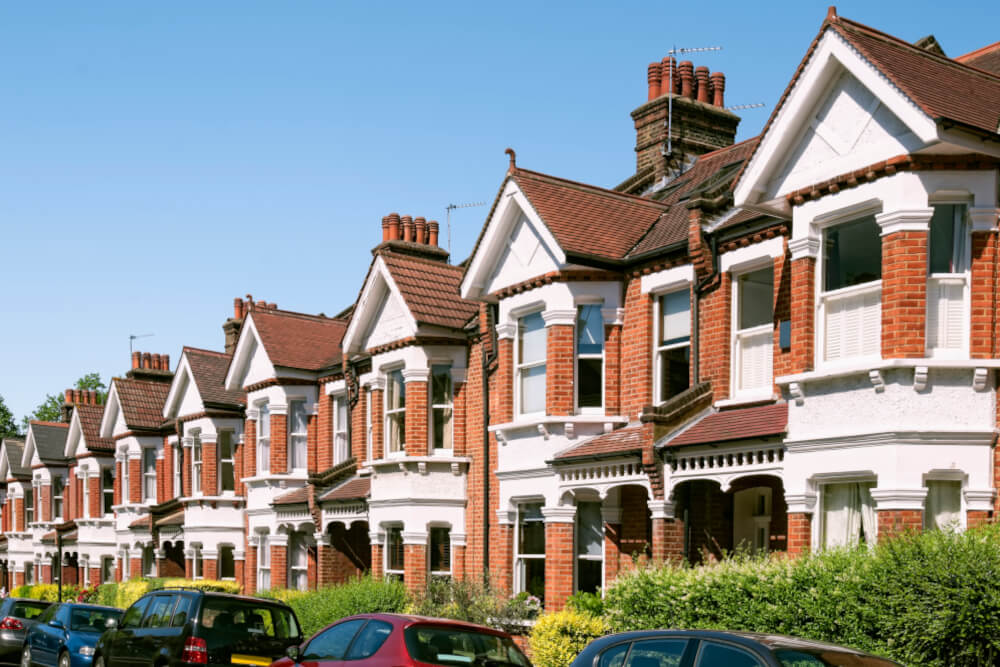
A Level 2 RICS Homebuyers Report is a standardized property survey designed for conventional homes in reasonable condition. It’s the middle-tier option in the Royal Institution of Chartered Surveyors’ three-level survey system, offering significantly more detail than a mortgage valuation but less extensive investigation than a full building survey.
The survey provides a clear overview of the property’s condition, highlighting any urgent defects or potential problems that could affect the value. Your surveyor will conduct a non-invasive visual inspection of accessible areas, then present their findings in a structured report using a traffic light rating system.
Think of it as a professional health check for your potential new home – it won’t diagnose every possible condition, but it will flag the symptoms that need your attention.
Understanding where Level 2 sits in the spectrum helps you make the right choice:
Level 1 (Condition Report) – Basic visual inspection for newer, conventional properties in good condition. Traffic light ratings only, minimal advice. Suitable for new builds or recently renovated homes where you simply want confirmation of condition.
Level 2 (Homebuyers Report) – The most popular choice. Comprehensive inspection of visible and accessible elements, with advice on defects, repairs, and ongoing maintenance. Ideal for standard properties built after 1870 in reasonable condition.
Level 3 (Building Survey) – Detailed, bespoke inspection for older, altered, unusual, or dilapidated properties. Includes in-depth analysis and can be tailored to specific concerns. Essential for pre-1870 buildings, listed properties, or homes requiring significant renovation.
For context, approximately 65% of property buyers opt for Level 2 surveys – they represent the best value for most situations.
Your RICS surveyor will inspect and report on:
Structural elements:
Services (basic assessment):
Additional assessments:
Each element receives a condition rating (1, 2, or 3) with accompanying advice on necessary actions.
It’s crucial to understand the limitations – a Level 2 survey is not:
If your surveyor identifies concerns requiring specialist investigation (e.g., suspected subsidence, electrical issues, Japanese knotweed), they’ll recommend further reports. These are additional costs but potentially save you from expensive surprises post-purchase.
Ideal candidates for Level 2 Homebuyers Reports:
Common property types perfect for Level 2:
If you’re looking at a 1930s semi in original condition or a relatively standard Victorian terrace on a typical street, Level 2 is your go-to option.
Upgrade to a Level 3 survey if the property has:
Example scenario: You’ve fallen in love with a Grade II listed cottage built in 1780 with exposed beams, wattle and daub walls, and evidence of previous movement. This absolutely requires a Level 3 survey – a Level 2 simply won’t provide the depth of investigation needed for this type of property.
Many first-time buyers confuse these two very different inspections:
| Aspect | Mortgage Valuation | Level 2 Homebuyers Report |
|---|---|---|
| Purpose | Protects the lender | Protects you, the buyer |
| Depth | Brief inspection (15-20 mins) | Thorough inspection (2-4 hours) |
| Report detail | Minimal – value confirmation | Comprehensive condition report |
| Defects | Only major issues affecting lending | All visible defects and concerns |
| Cost | £250-400 (often free with mortgage) | £400-1,000+ depending on property value |
| Your protection | None | Substantial |
Critical point: Your mortgage valuation is not a survey. The lender’s surveyor is checking whether the property provides adequate security for the loan – they’re not working for you. Even if the valuation comes back fine, you could still be buying a property with £20,000 of hidden repair costs.
Your Level 2 Homebuyers Report follows a standardized RICS format, making it easy to navigate:
Section A: Introduction and Summary
Section B: Summary of Condition Ratings
Section C: Outside the Property
Section D: Inside the Property
Section E: Services
Section F: Grounds and Outbuildings
Section G: Matters for Your Legal Advisers
Section H: Risks
The Traffic Light Rating System:
Condition Rating 1 (Green) – No repair is currently needed. Normal maintenance required.
Condition Rating 2 (Amber) – Defects that need repairing or replacing but are not considered urgent. Repairs should be carried out in the near future.
Condition Rating 3 (Red) – Defects that are serious and/or require urgent repair or replacement. Immediate action needed.
Most elements in an average property score 1 or 2. A handful of 2s is normal; multiple 3s suggest serious problems requiring negotiation or further investigation.
Based on hundreds of surveys, here are the most common findings:
Frequently flagged as Condition 2 (Amber):
Less common but significant Condition 3 (Red) findings:
Reality check: It’s rare to receive a completely clean report. Properties are complex, aging assets – expect some amber flags. What matters is understanding the financial implications and urgency.
Typical Level 2 survey timeline:
Day 1 (Booking) – Contact RICS surveyor, provide property details, receive quote, pay deposit or full fee. Surveyor coordinates access with estate agent or seller.
Days 2-5 – Survey scheduled at mutual convenience. The inspection itself takes 2-4 hours depending on property size and complexity.
Days 6-10 – Surveyor compiles detailed report, researches local issues, and prepares recommendations.
Day 7-10 – You receive your comprehensive report (most firms deliver digitally now for faster turnaround).
Total timeline: 7-10 working days from booking to report delivery is standard, though urgent surveys can be arranged (sometimes with premium fees).
Pro tip: Book your survey immediately after your offer is accepted. Survey delays are a common cause of chain holdups, and you want this information as early as possible to inform negotiations.
You’ve received your report – now what? This is where the survey delivers its real value.
How to use your report strategically:
Scenario 1: Minor issues (all Condition 1-2, mostly 1)
Scenario 2: Several Condition 2 issues with cost implications
Scenario 3: One or more Condition 3 items
Negotiation leverage table:
| Finding Severity | Reasonable Response | Negotiation Potential |
|---|---|---|
| All green/mostly green | Proceed as planned | None |
| Mixed green/amber, £2k-5k costs | Request £2-3k reduction | Moderate |
| Multiple amber, £5k-10k costs | Request £4-7k reduction | Good |
| Red flags, £10k+ costs | Significant renegotiation or walk away | Strong |
| Structural issues, undisclosed | Specialist report, major reduction | Very strong |
Pro tips:
Your surveyor will recommend specialist reports when they identify potential concerns beyond their scope. Always commission these – ignoring them is false economy.
Common specialist investigation triggers:
Structural concerns:
Action: Structural engineer’s inspection and report (£500-1,500)
Electrical issues:
Action: Full electrical inspection and testing by qualified electrician (£200-350)
Damp and timber:
Action: Specialist damp and timber survey (£150-400)
Drainage concerns:
Action: CCTV drainage survey (£250-500)
Don’t delay these investigations – your mortgage offer period is usually 3-6 months, but chains can move quickly. Book specialists immediately after receiving your survey.
Surveyors occasionally include estimated repair costs in reports, but more often they’ll note concerns without pricing. Here’s how to get accurate figures:
Getting contractor quotes:
Typical repair cost ranges (2024-2025):
Reality check: Always add 20-30% contingency to contractor estimates. Hidden issues often emerge once work begins, particularly in older properties.
Different property ages present characteristic issues. Understanding these patterns helps you anticipate findings and assess whether they’re normal or concerning.
Victorian and Edwardian Properties (1837-1910)
Typical construction: Solid brick walls (no cavity), lime mortar, slate roofs, suspended timber floors, single-glazed sash windows, original fireplaces.
Common Level 2 findings:
Almost universal (usually Condition 2):
Lack of damp-proof course or ineffective DPC
Draughty single-glazed original windows
Aging or patched slate roof covering
Old electrical systems requiring upgrade
Solid walls with no insulation (affects energy efficiency)
Original plumbing with dated materials
Frequently seen (Condition 2-3):
Rising or penetrating damp (particularly bay windows and gable ends)
Cracking from historical settlement (usually stable)
Chimney breast removal issues (inadequate support)
Timber floor ventilation problems
External rendering cracks or failure
Shared party wall issues in terraces
What’s normal vs. concerning: ✓ Normal: Minor cracking, some damp evidence, aging services, maintenance backlog ✗ Concerning: Active structural movement, extensive damp, illegal alterations, severe timber decay
Victorian/Edwardian buyer’s reality: These properties require ongoing maintenance and eventual service updates. Budget £5-10k for catch-up work on an “average” Victorian terrace, more if significantly neglected.
1930s-1960s Houses
Typical construction: Cavity walls, concrete roof tiles, suspended floors, Crittall or early aluminum windows, simpler layouts than Victorian predecessors.
Common Level 2 findings:
Almost universal (usually Condition 2):
Aging roof tiles requiring replacement
Original metal windows (rust, poor thermal performance)
Dated heating systems (back boiler or old boiler)
Cavity wall tie corrosion (1930s-1950s properties)
Asbestos-containing materials (particularly 1950s-1980s)
Original electrical wiring and consumer units
Frequently seen (Condition 2-3):
Flat roof issues (common on extensions)
Concrete render failure (“pebbledash” cracking)
Subsidence (particularly clay soil areas)
Inadequate or failed cavity wall insulation
Corroded guttering and downpipes
Damp in solid floor slabs
Specific 1930s concerns:
Cavity wall tie corrosion – Original metal ties rust, causing cracking; replacement costs £2,000-5,000
Non-standard construction – Some properties used innovative methods (concrete, steel frame) requiring specialist understanding
Specific 1960s concerns:
Flat roofing – Many 1960s designs incorporated flat roofs; these typically need renewal every 15-20 years (£3,000-8,000)
Asbestos – Widely used in garages, soffits, bathroom panels; not dangerous if undisturbed but affects renovation plans
What’s normal vs. concerning: ✓ Normal: Service updates needed, window replacement due, roof aging, manageable maintenance ✗ Concerning: Subsidence indicators, extensive flat roof failure, structural alterations, severe cavity wall issues
Modern Properties and New Builds (1980s onwards)
Typical construction: Insulated cavity walls, modern trussed roofs, UPVC windows, concrete floors, gas central heating, modern services.
Common Level 2 findings:
For 1980s-2000s properties (usually Condition 2):
Aging or failed cavity wall insulation (causing damp)
UPVC window seal failure and condensation
Boiler approaching end of serviceable life
Flat roof issues on extensions/garages
Bathroom and kitchen aging/dated
For 2000s-present:
Snagging issues (poor finishing, minor defects)
Inadequate ventilation (leading to condensation)
Modern materials aging (composite cladding, render systems)
Hidden defects from rapid construction
New build specific issues (properties under 10 years):
NHBC warranty coverage – Check what’s still covered (10-year structural warranty)
Snagging items – Cosmetic defects, poor finishing
Building regulation compliance – Recent builds should have certificates; absence is concerning
Cladding issues – Post-Grenfell scrutiny on external wall materials (particularly flats)
What’s normal vs. concerning: ✓ Normal: Minor snagging, cosmetic issues, aging fixtures in older examples ✗ Concerning: Structural defects within warranty period, missing building certificates, cladding problems, major construction defects
Modern property reality: Newer doesn’t mean problem-free. Modern construction methods sometimes create issues (condensation, ventilation) that older properties with natural breathability don’t experie
Whether you’re a first-time buyer or seasoned investor, protect your purchase with a professional, impartial survey.
✅ Get a Quote | 📞 Call Us | 📧 Book Online
We include information on planning and building regulations, environmental issues, and other legal aspects related to the property.
(Where they are obtainable)
Yes, absolutely. Until you exchange contracts, you can withdraw from the purchase at any time without penalty (though you lose survey and conveyancing fees already paid). This is precisely why you conduct the survey before exchange. Your options when problems are identified:
About 10-15% of property purchases fall through following survey findings – this is the system working as intended.
Definitely, especially for significant Condition 2 or any Condition 3 items. Your survey identifies issues but doesn’t usually provide detailed cost estimates. Get 2-3 quotes from reputable contractors for any major work – this gives you:
For example, if your survey flags an aging boiler, get actual quotes (£2,000-3,500 typically) rather than guessing. This makes negotiations fact-based rather than speculative.
Yes, though considerations differ slightly. Level 2 surveys for flats examine your specific unit plus shared facilities you have access to (roof spaces, communal areas where visible). However, surveyors can’t inspect:
Additional due diligence for flats:
For flats, your survey combined with thorough conveyancing searches provides comprehensive protection. Don’t skip the survey just because it’s a flat – internal issues (electrics, plumbing, damp) are just as relevant.
Yes, many lenders accept a Level 2 survey with valuation add-on instead of requiring a separate mortgage valuation. This saves you money (£150-300 typically) and streamlines the process.
How it works:
Most mainstream lenders accept this approach, though some building societies and specialist lenders still require their own valuation. Check before booking.
Register your interest today to receive further information about our Level 2 RICS Homebuyers Report Services. We’ll provide guidance on what to expect from a survey, advice on common property issues, and updates to help you make informed decisions.
Simply leave your details and we’ll be in touch with clear, practical information tailored to your needs.